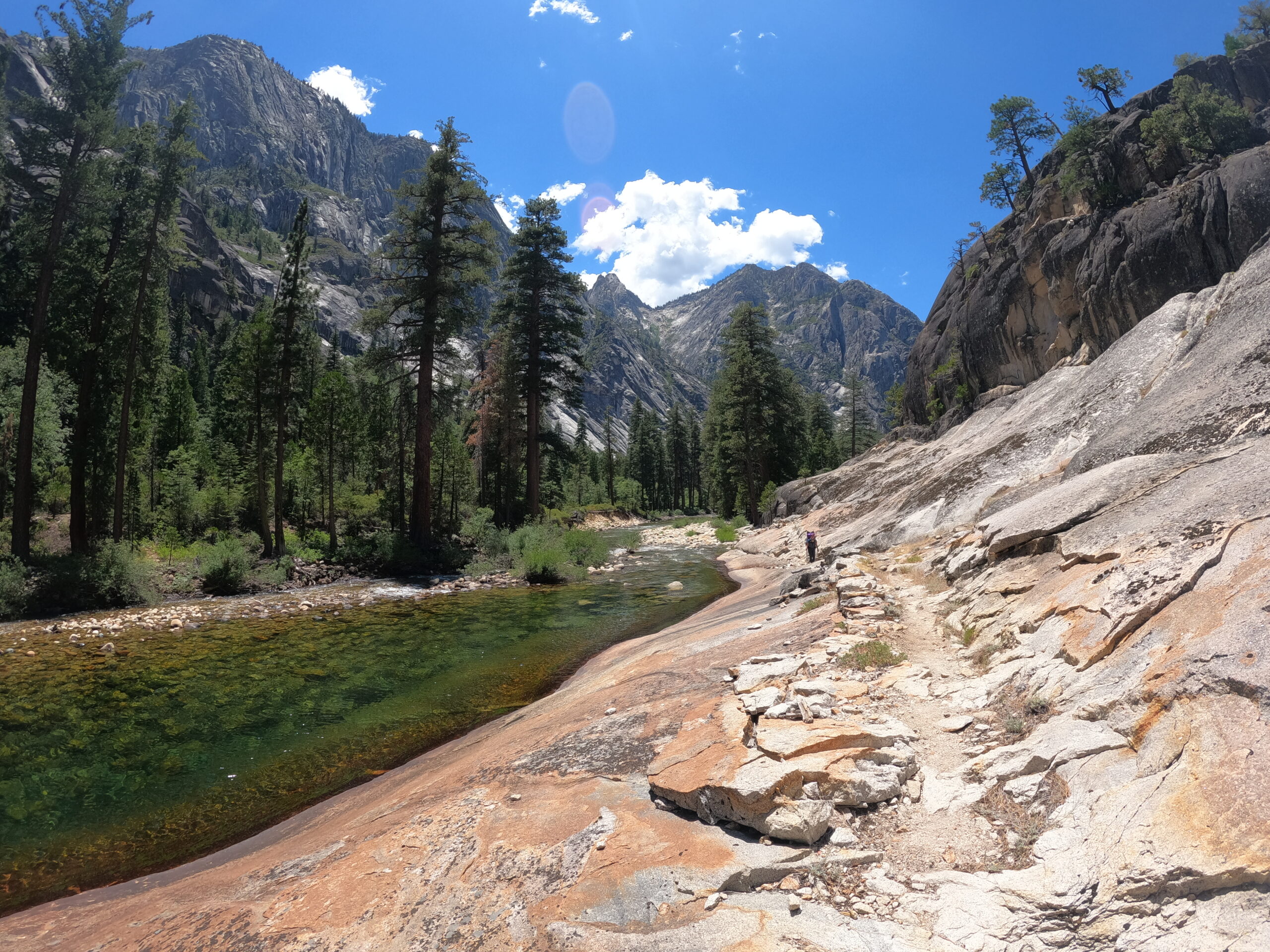
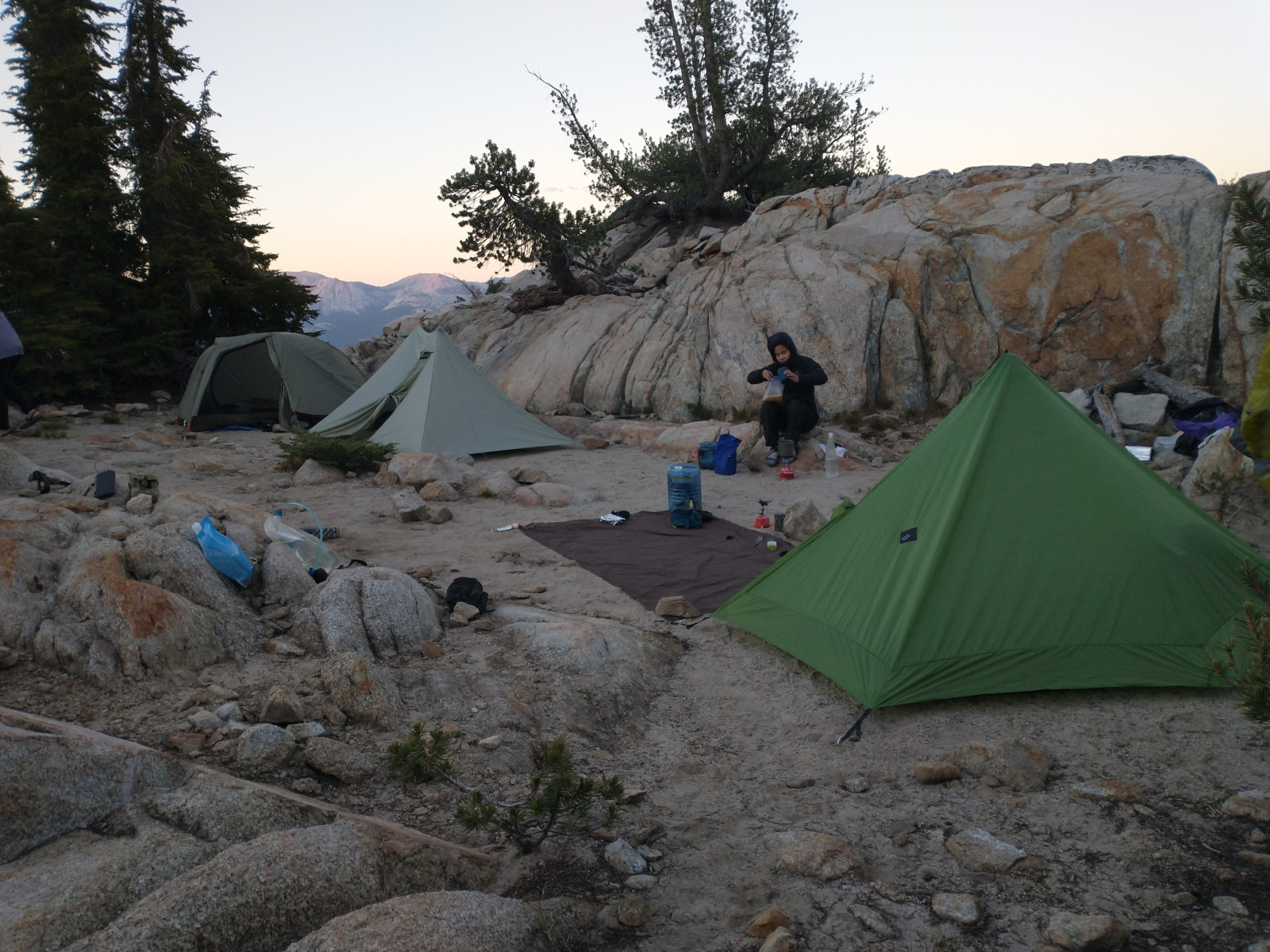
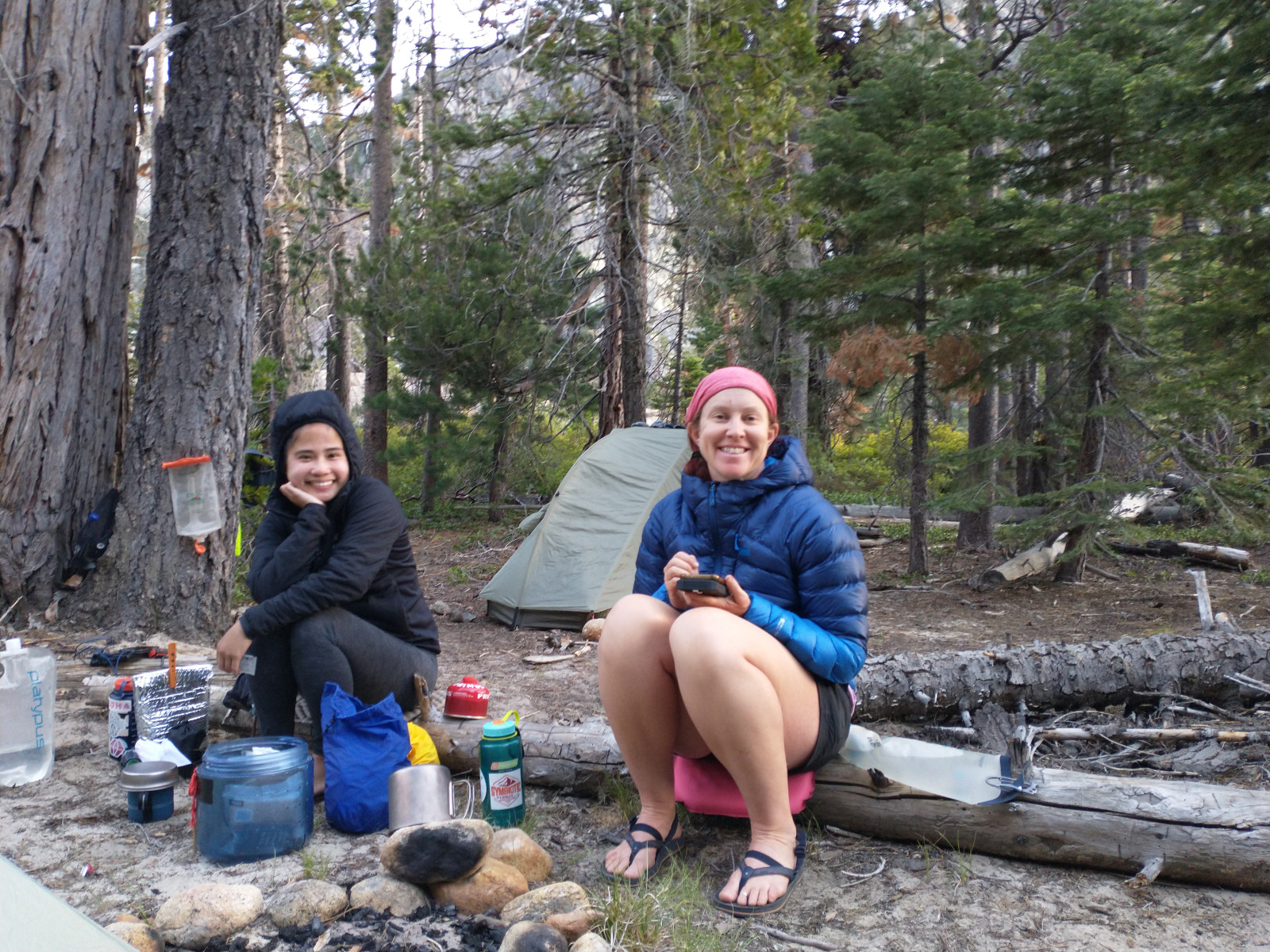
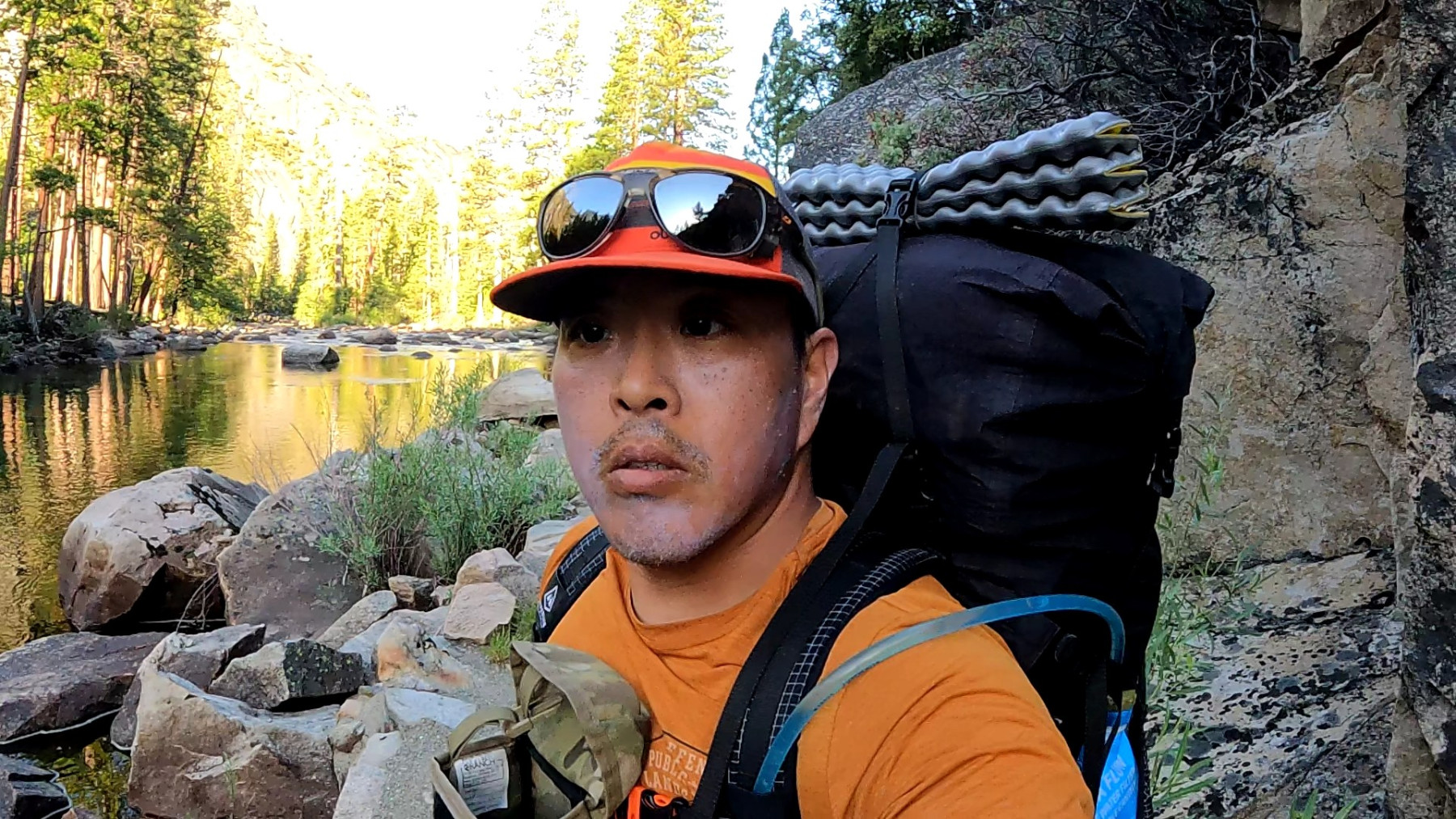
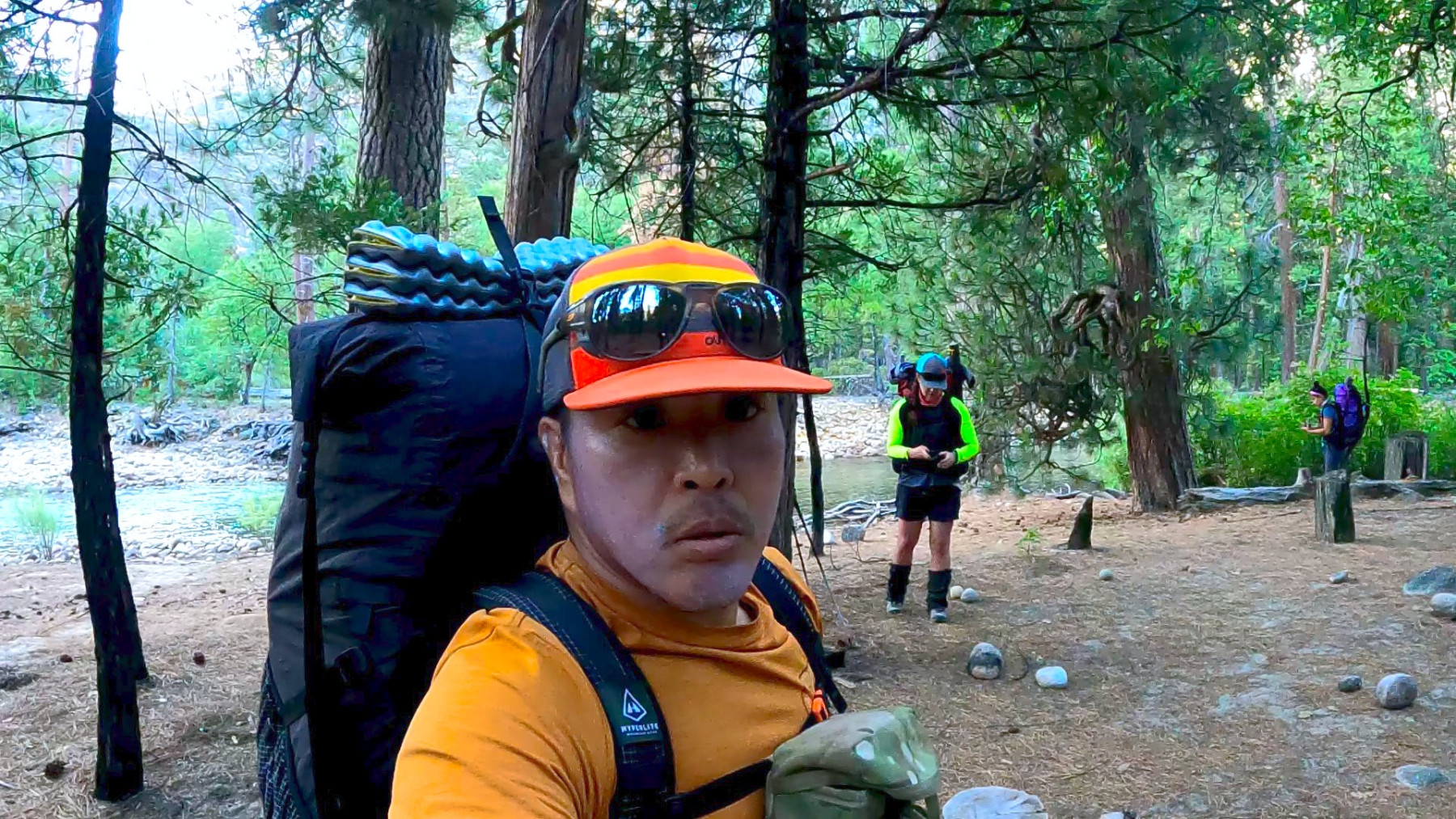
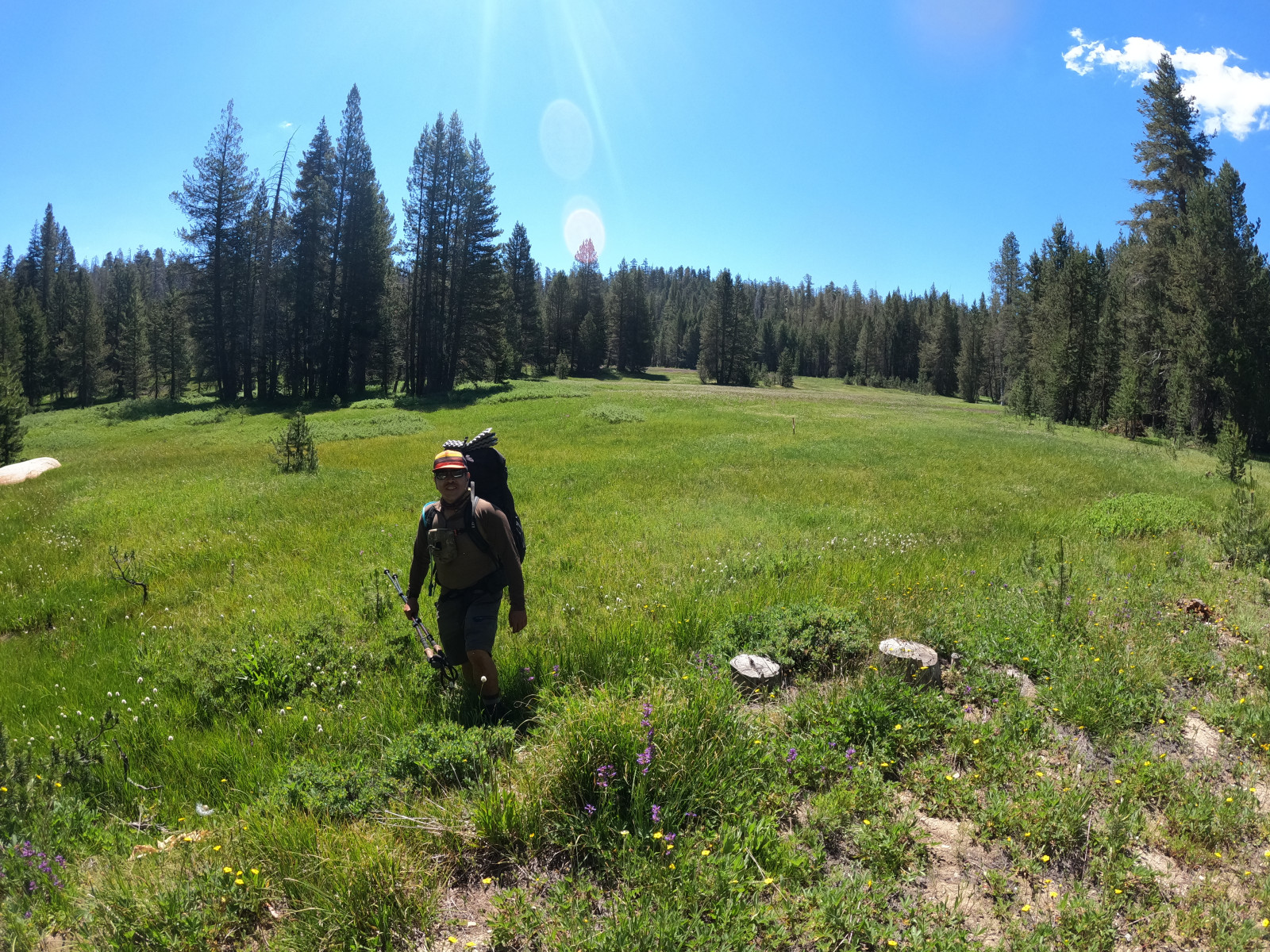
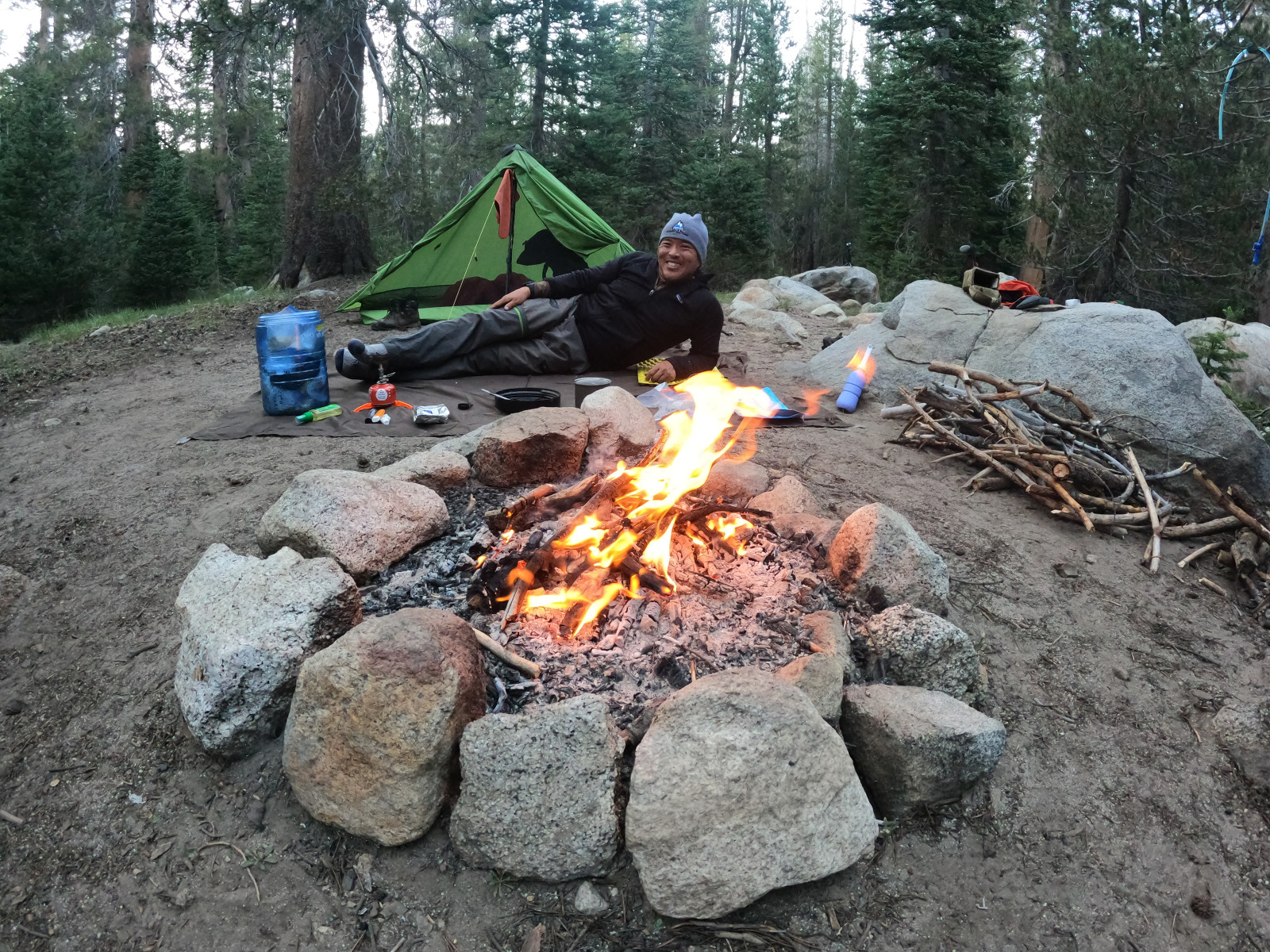
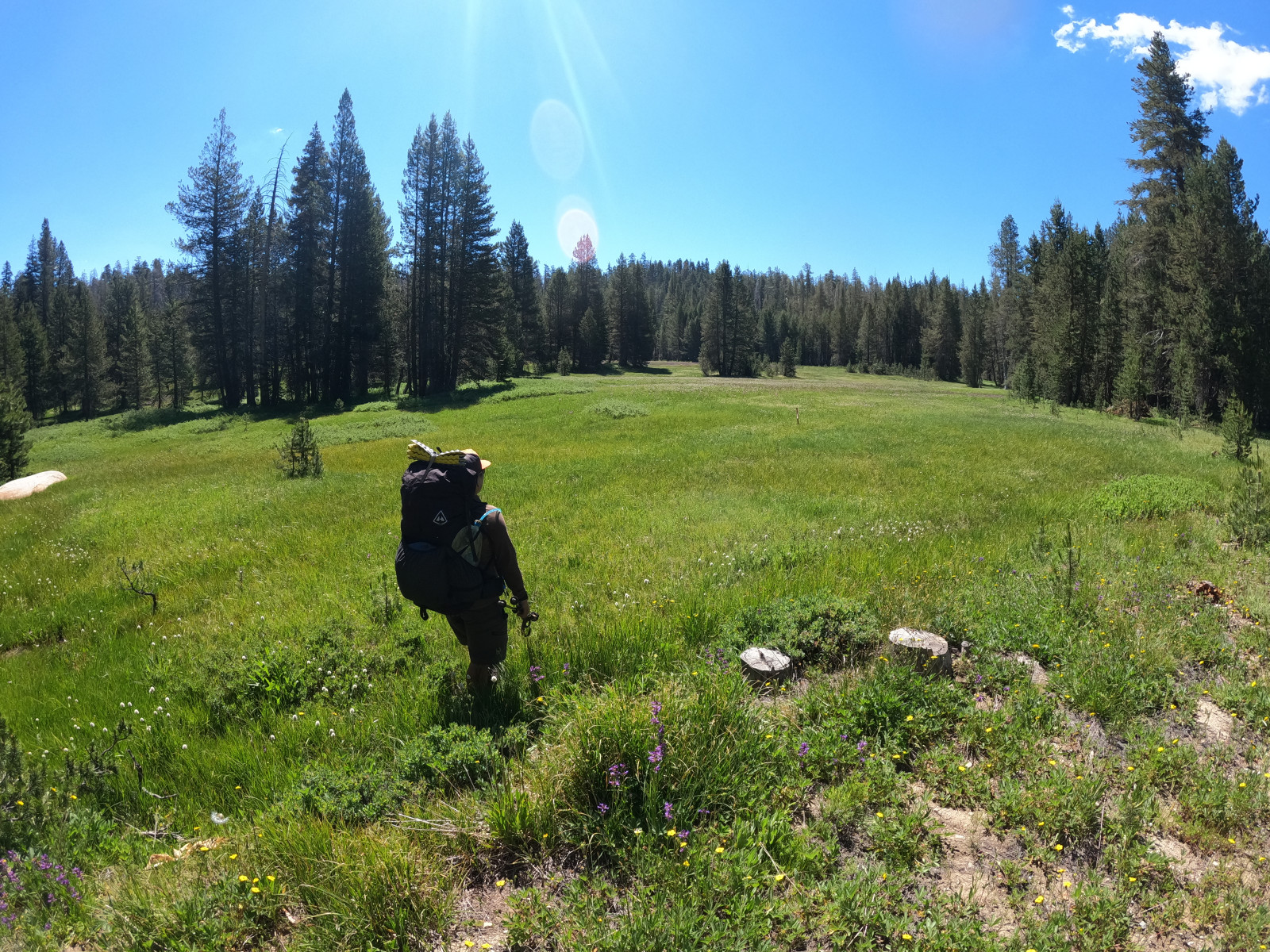
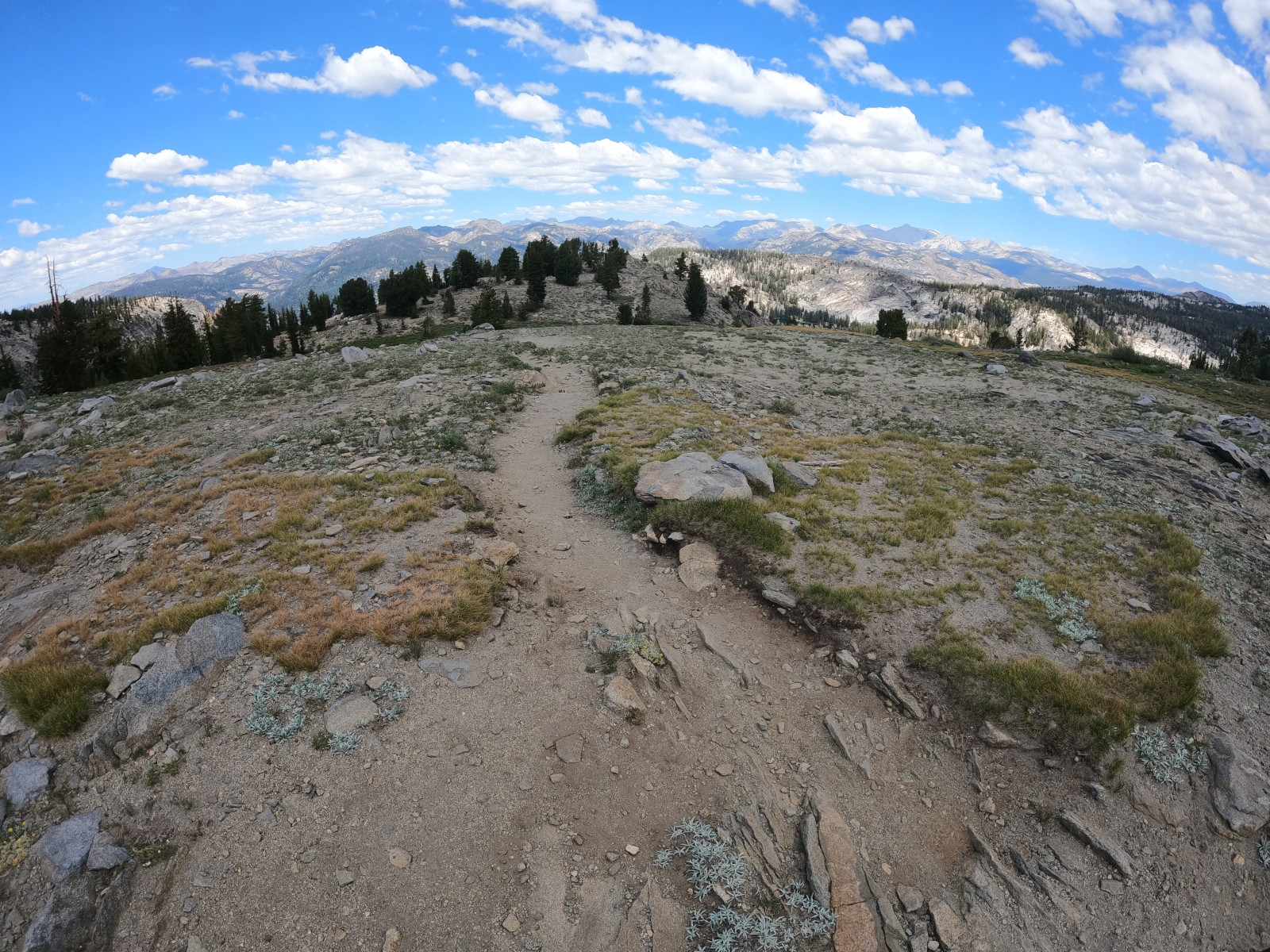
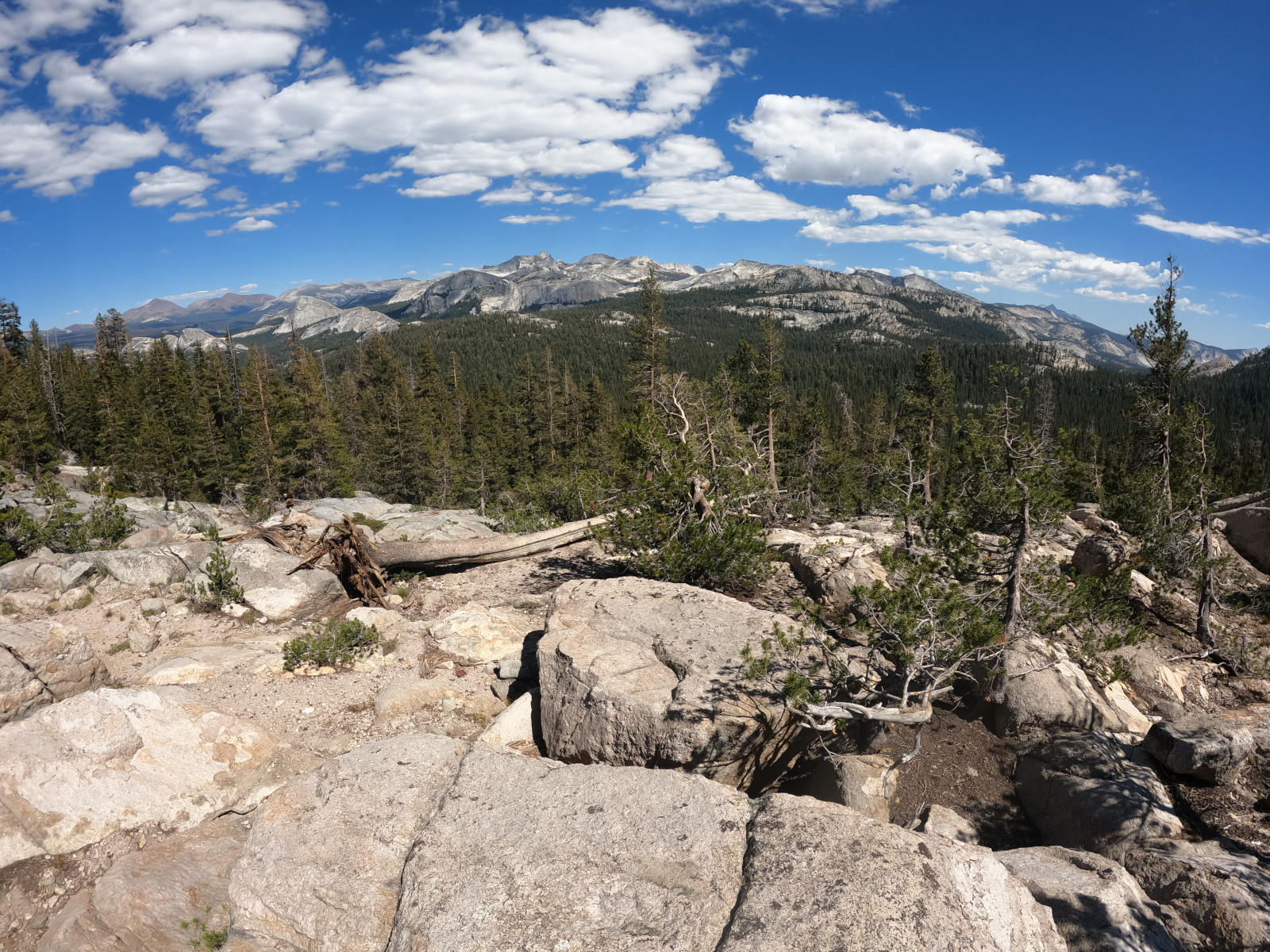
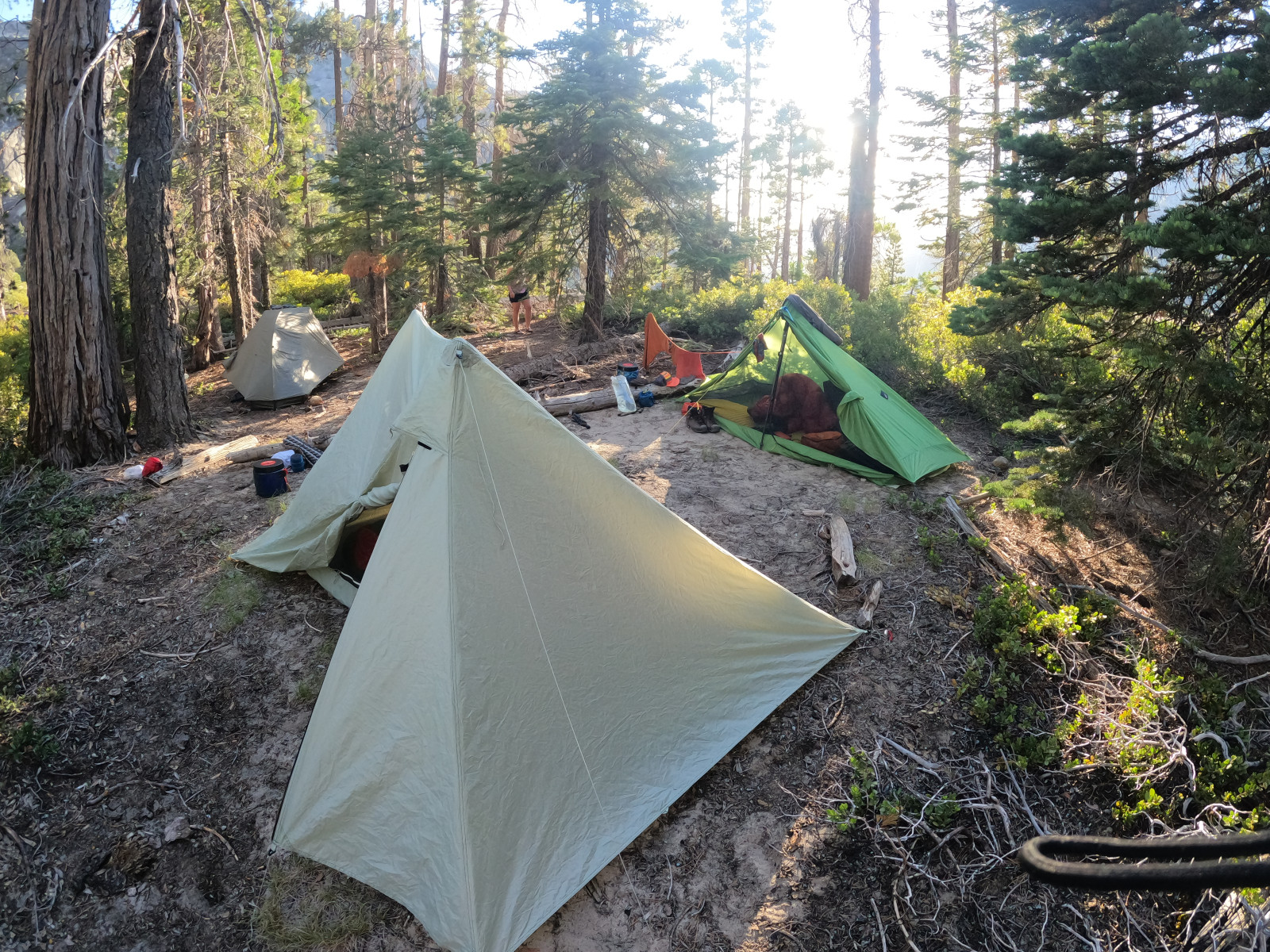
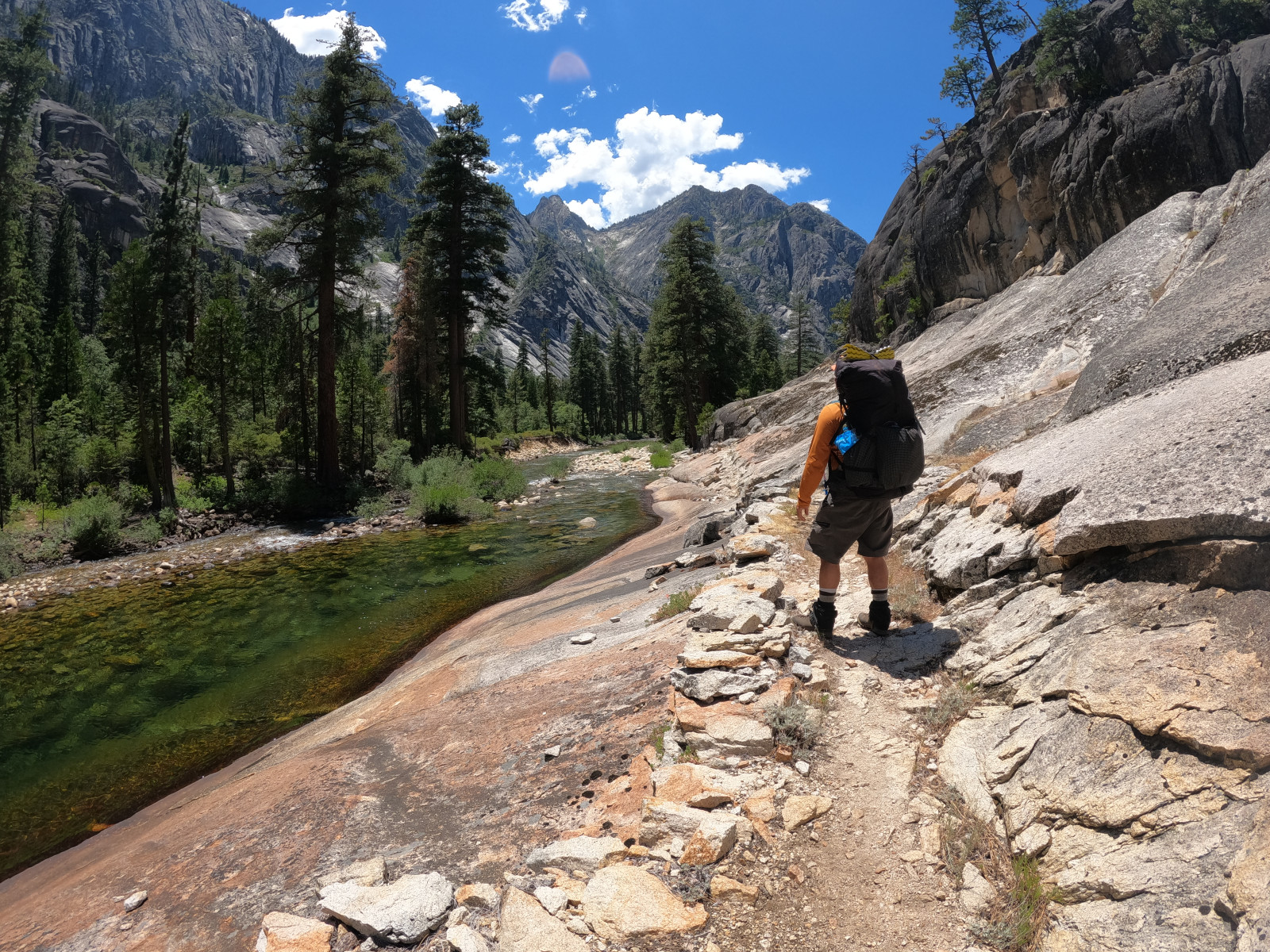
In June 2021, two friends and I stepped into the deep backcountry of Yosemite National Park. Our destination was the Grand Canyon of the Tuolumne (GCT)—a legendary backpacking route covering 61.7 miles (99.3 km) with a cumulative elevation gain of 10,362 feet (3,158 m). We spent five days embarking on this journey of reflection. While Yosemite Valley attracts millions of tourists annually, once you venture deep into the backcountry, you find a silence and an untamed wilderness that contrast sharply with the clamor of the valley.
Waterwheel Falls: The Will of Water Released into the Air
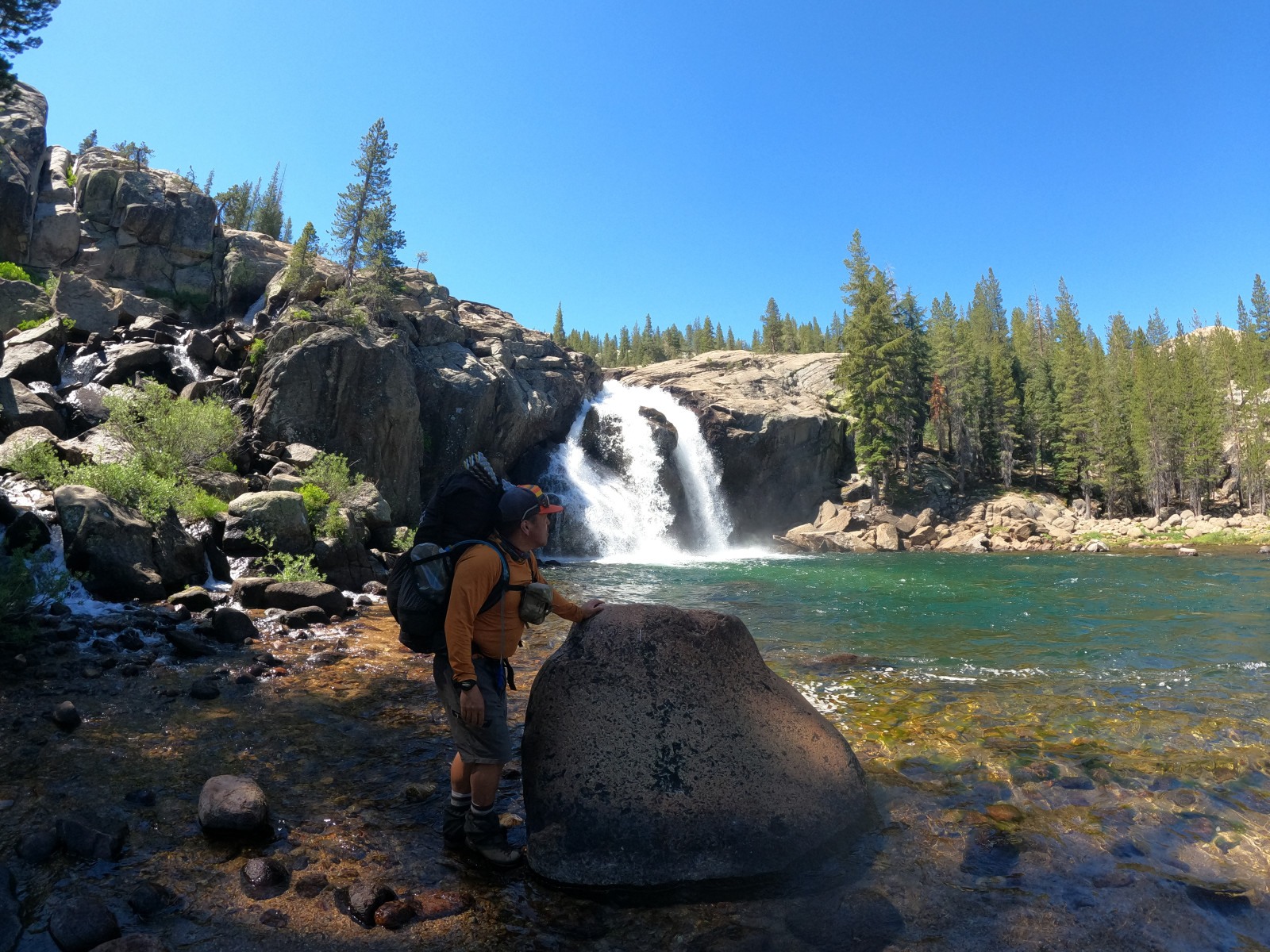
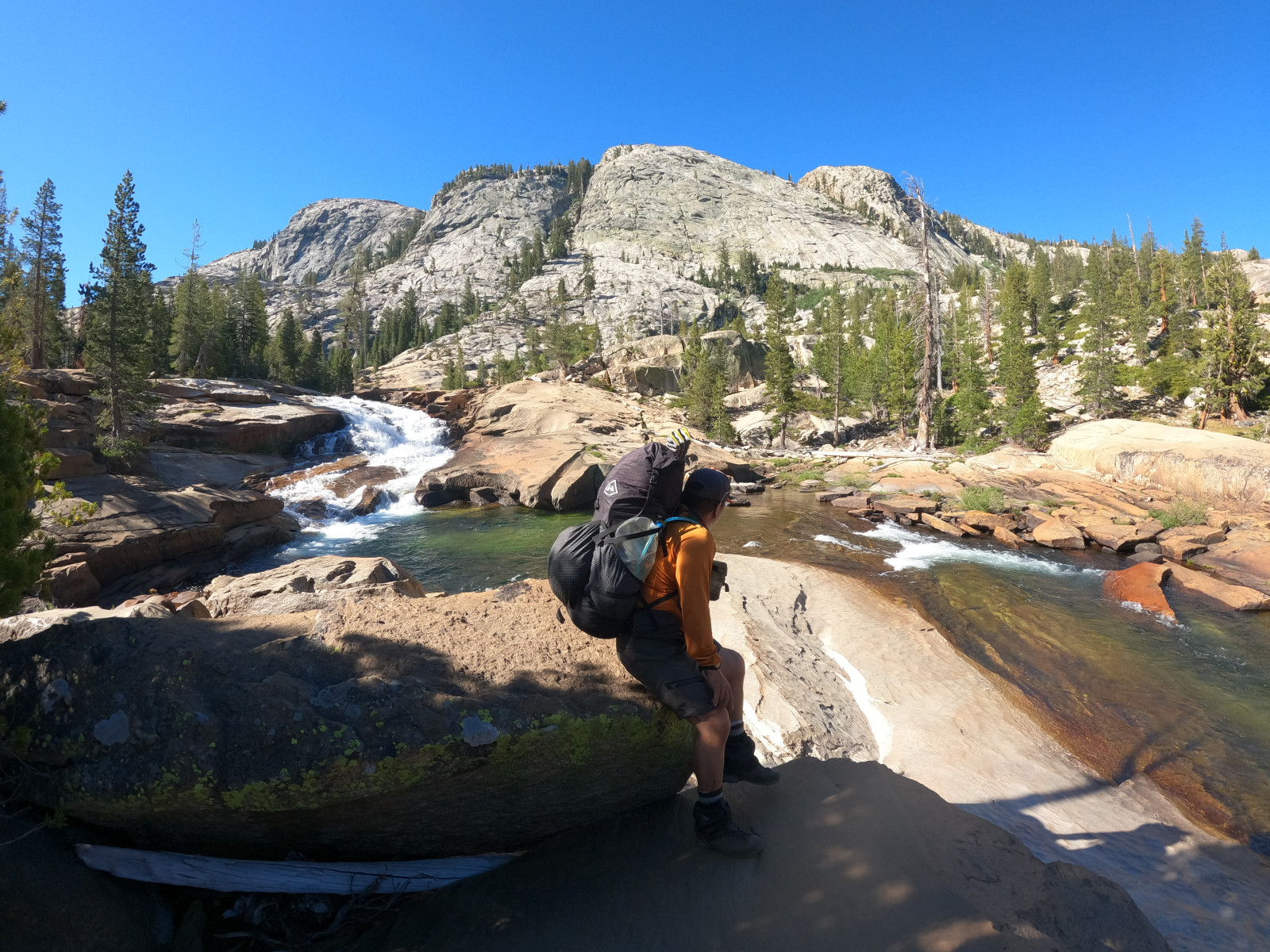
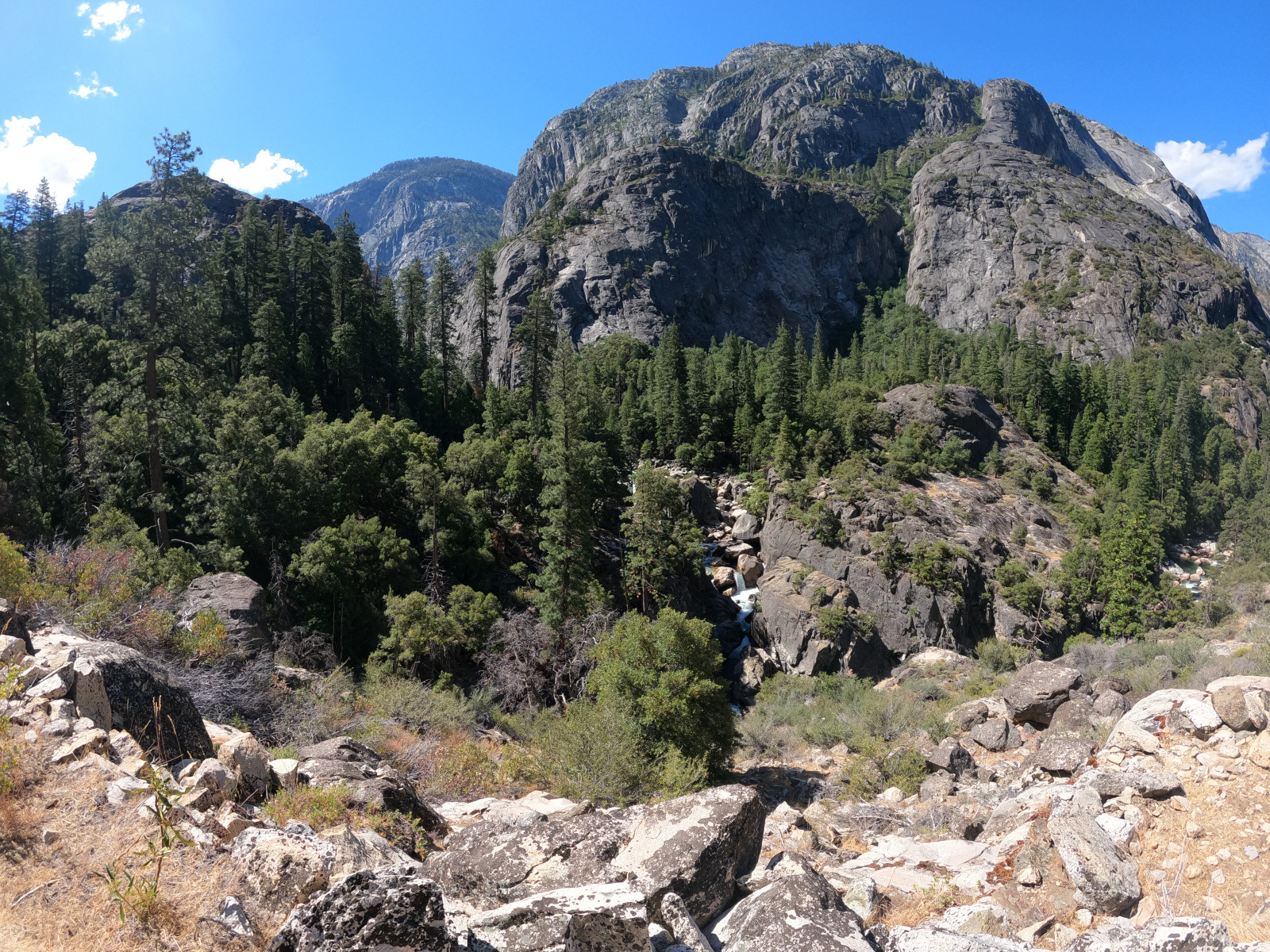
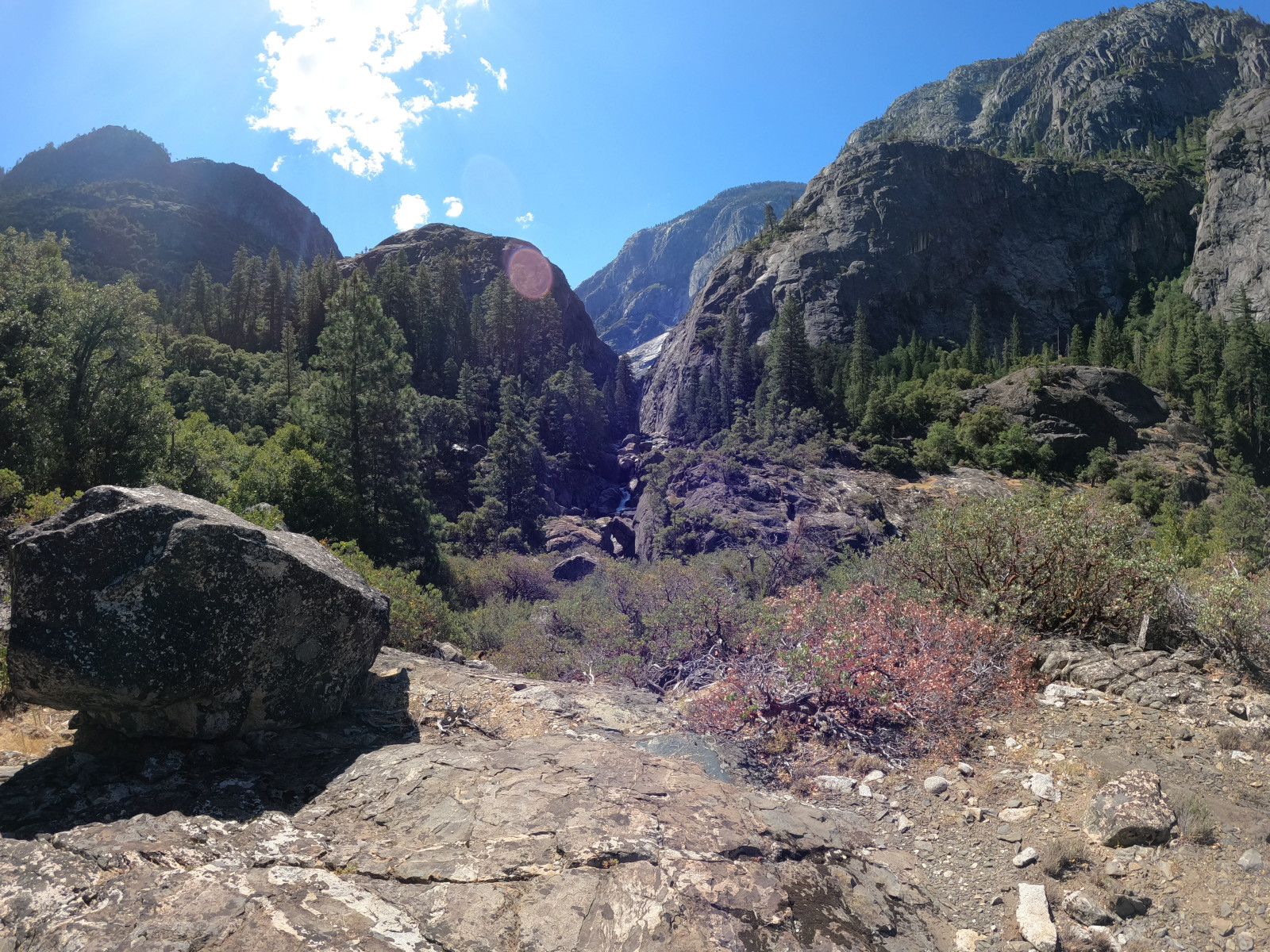
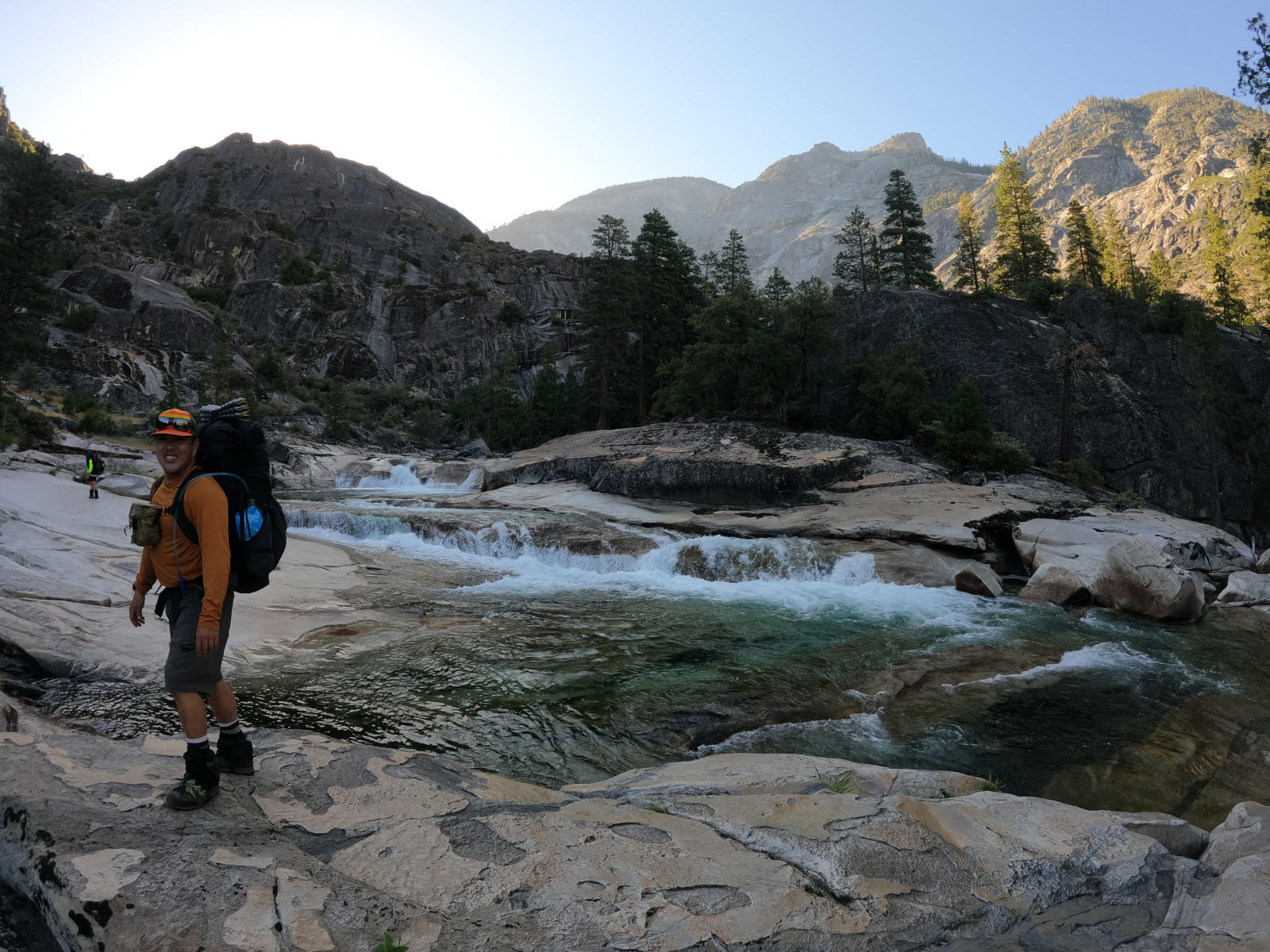
On the second day, after descending 12.2 miles from White Wolf to Pate Valley, we hit a grueling 14.2-mile climb with 3,301 feet of elevation gain. The highlight of this stretch was the monumental Waterwheel Falls, a cascade plunging 800 feet (approx. 240 meters).
The sheer force of the torrent hitting the slanted granite ledges created massive, arc-shaped pillars of water thrown into the air. It felt less like a natural phenomenon and more like a raw expression of the Earth’s vital energy. Surrounded by smooth granite polished to a treacherous sheen by years of spray, we were miles from any safety railings or warning signs—in the true backcountry. Even at a depth of just 15 centimeters, the hydraulic force is enough to sweep away an adult. The overwhelming roar of the falls washed away all unnecessary thoughts and ego, leaving nothing but the present moment.
The Bypass of Muir Gorge and the Choice of Energy
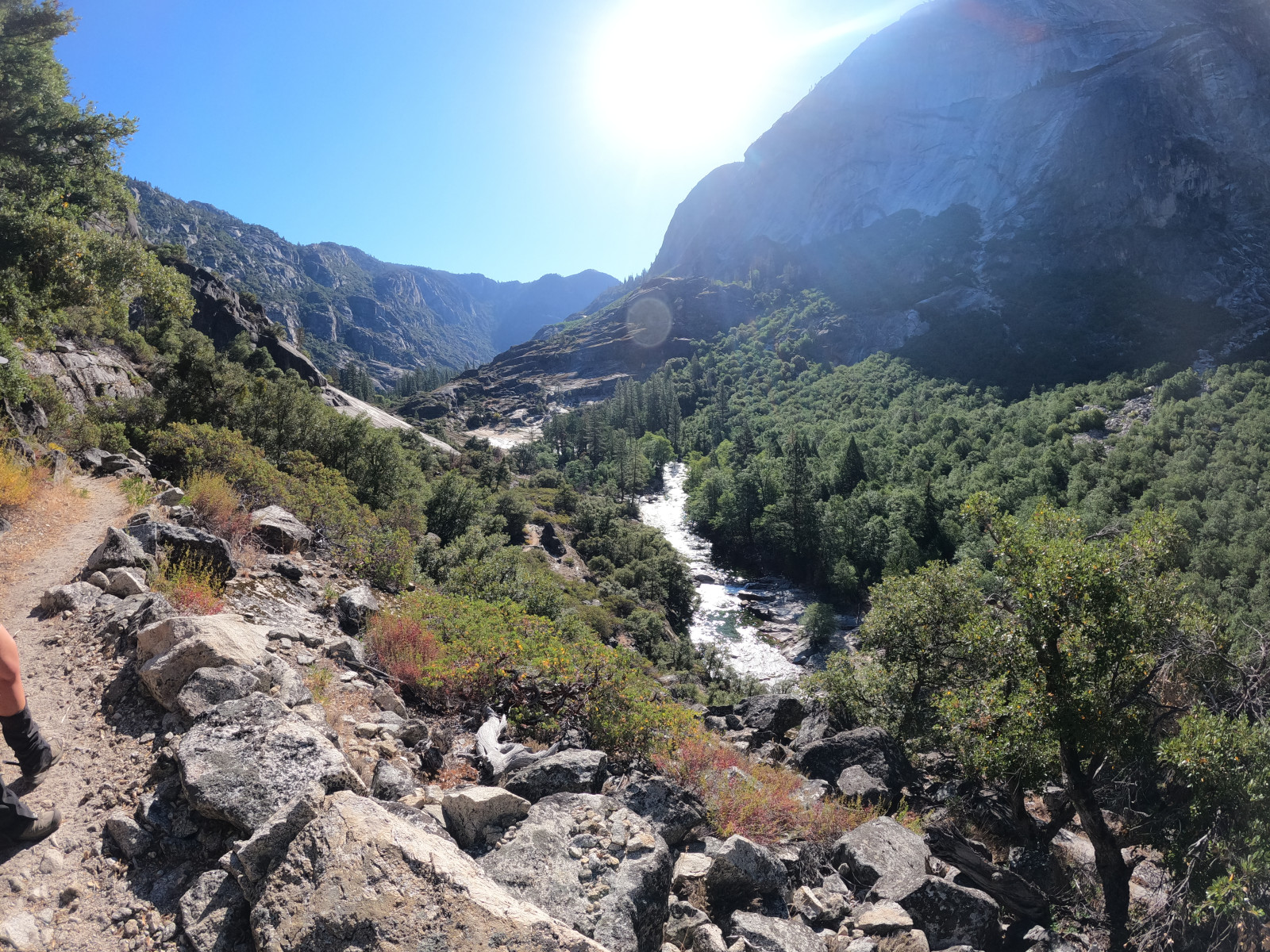
Along the route lies Muir Gorge, a critical choke point where the canyon walls narrow drastically. Standard backpacking trails are designed to bypass the gorge floor, winding up the steep southern slopes.
Return to Ten Lakes and Complete Transformation
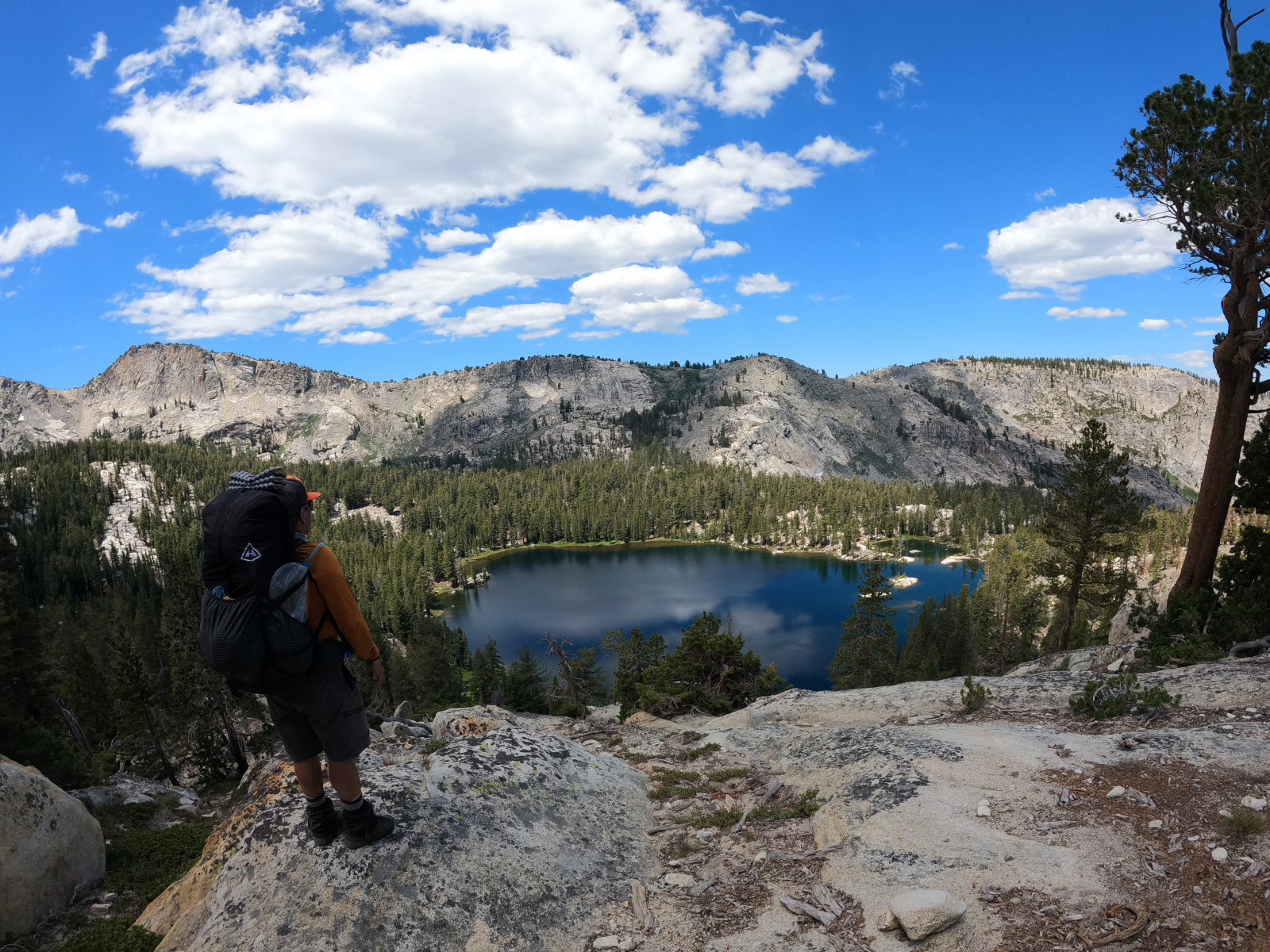
By June 26, we had covered 13.9 miles (3,497 ft EG) near Tuolumne Peak, and on June 27, another 13.7 miles (2,192 ft EG) toward the Ten Lakes Trailhead. As the food in our bear canisters dwindled and our packs grew lighter, I noticed my spirit, too, becoming incredibly weightless.
On the final day (June 28), we completed the 7.7-mile trek back to White Wolf on Tioga Pass Road. Yet, the person returning was fundamentally different from the one who set out. Those five days of intense trekking and relentless exposure to nature’s wonders acted as a ritual of energy transition, stripping away the trivialities of daily life and shifting my consciousness into a new dimension.
John Muir’s “Terrible Baptism” and the Temple of Tuolumne
While walking beside the roaring torrents of the GCT, I couldn’t help but recall the works of John Muir, the father of Yosemite’s conservation, and feel the intense heat of his legacy. Muir did not interpret Yosemite as a mere scenic destination, but as a “great temple of nature” for direct communion with the divine. He believed no man-made cathedral could rival Yosemite, and that every rock composing the canyon walls radiated the pulse of life.
Muir’s way of engaging with nature was fundamentally different from that of modern tourists who consume scenery from safe distances. Driven by primal impulse, he would crawl to the very brink of falls to listen to the “death song” of the water. One night, he famously crawled behind the falls into the spray-drenched recesses to experience a “terrible baptism” of ice-cold water. Through such extreme physical approaches, he shattered the arrogance of anthropocentrism and fully merged himself into nature.
The wild torrents we bypassed in Muir Gorge were, for him, a space that confirmed his unshakable belief: “The hard wilderness is what purifies the human spirit.” Furthermore, Muir cherished the Hetch Hetchy Valley at the western end of the GCT, calling it the “Tuolumne Yosemite.” When the valley was slated to be submerged by a dam in 1913, he fiercely denounced the project as a “shame” of commercialism. Yet, it was precisely the tragedy of losing Hetch Hetchy that catalyzed the birth of the strong laws—such as the Wild and Scenic Rivers Act—that protect the very backcountry we walked through today.
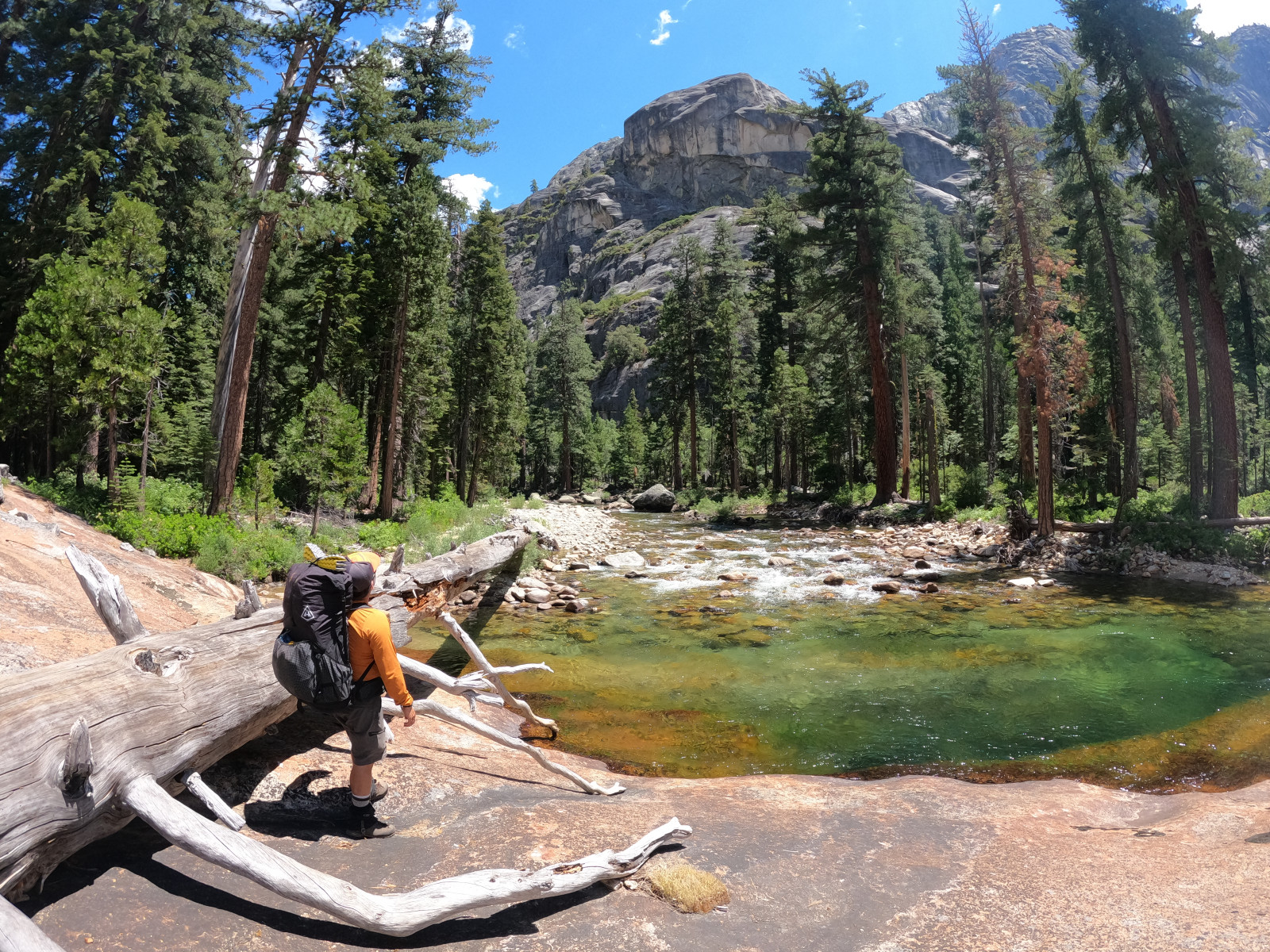
As I listened to the overwhelming roar of the Tuolumne River, I realized this was not just a leisure hike. By bathing my body in the dynamic energy of the Earth, I was participating in a pilgrimage through the “pure spiritual space of the planet” that Muir fought so fiercely to protect.

コメント