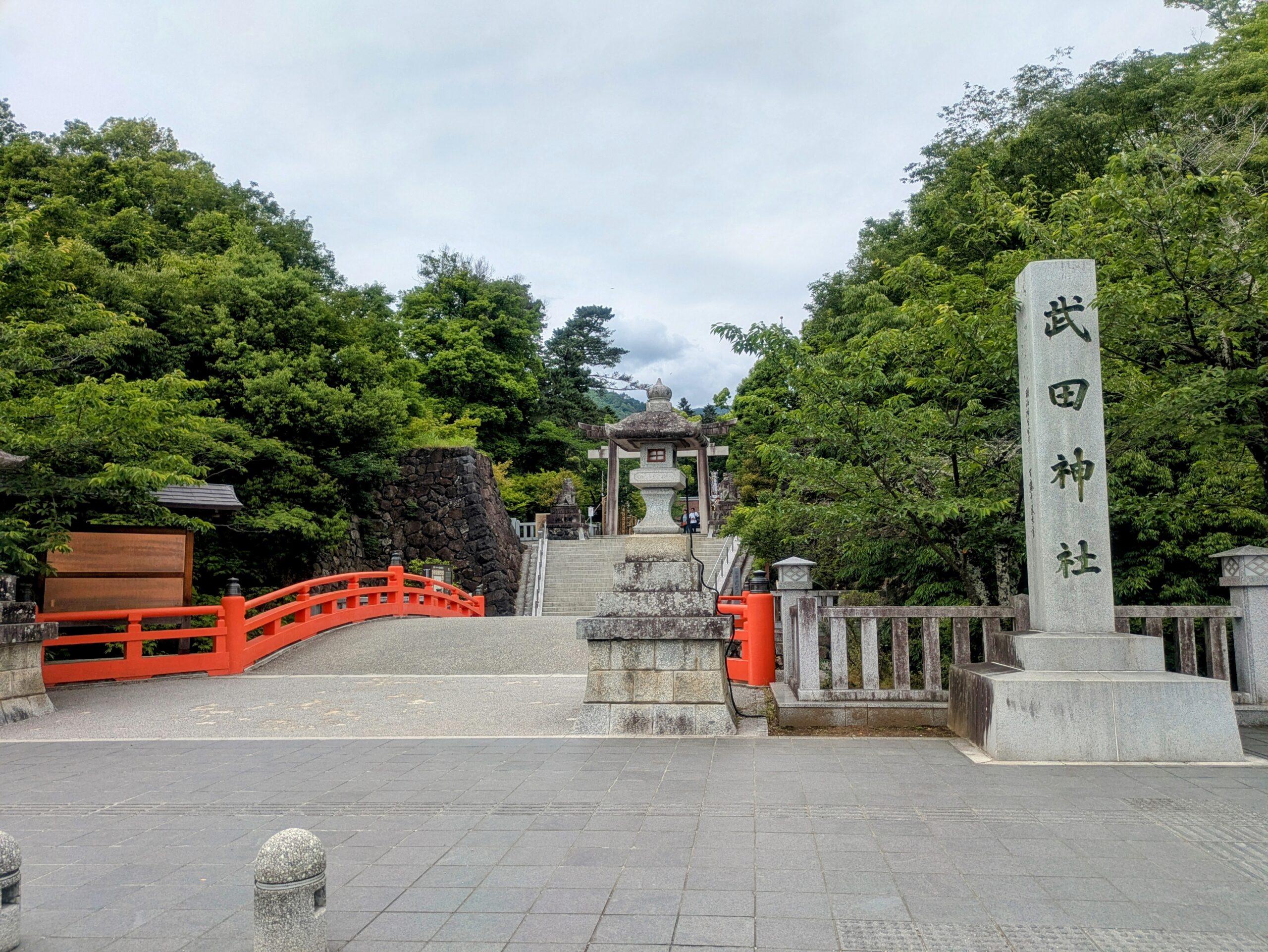
Kai no Kuni – present-day Kofu in Yamanashi Prefecture – is full of places connected to the Takeda family.
Since I had moved to Yamanashi, I decided to spend a day sightseeing in Kofu.
I got off the train at Kofu Station, left through the north exit, and walked for about thirty minutes along a gentle approach road.
My destination was Takeda Shrine.
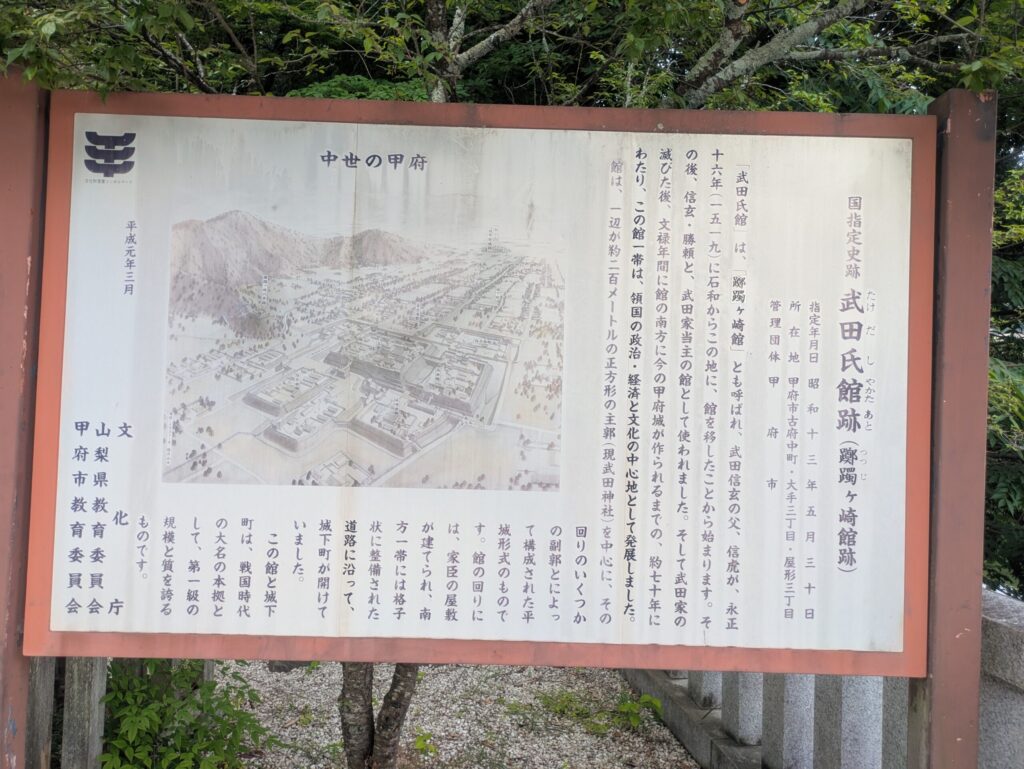
This is the site of Tsutsujigasaki Residence, where the Sengoku warlord Takeda Shingen once had his headquarters.
I wanted to set foot in this place that had once been the political heart of Kai Province during the Warring States period.
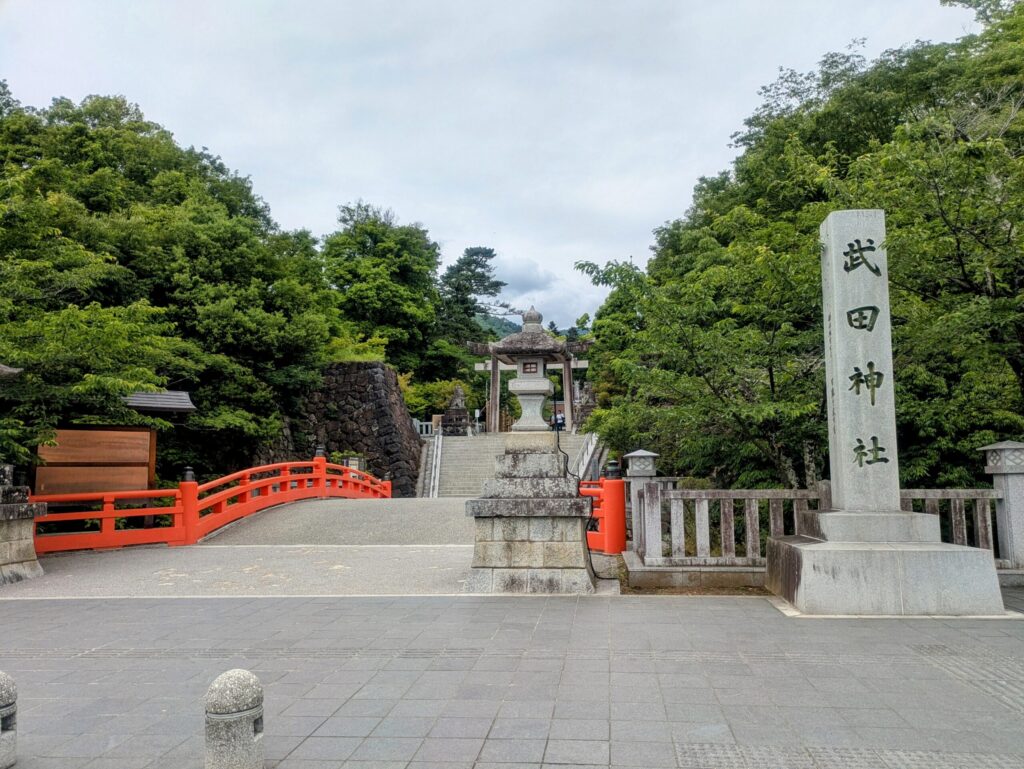
Back When I Was a Sengoku History Nerd
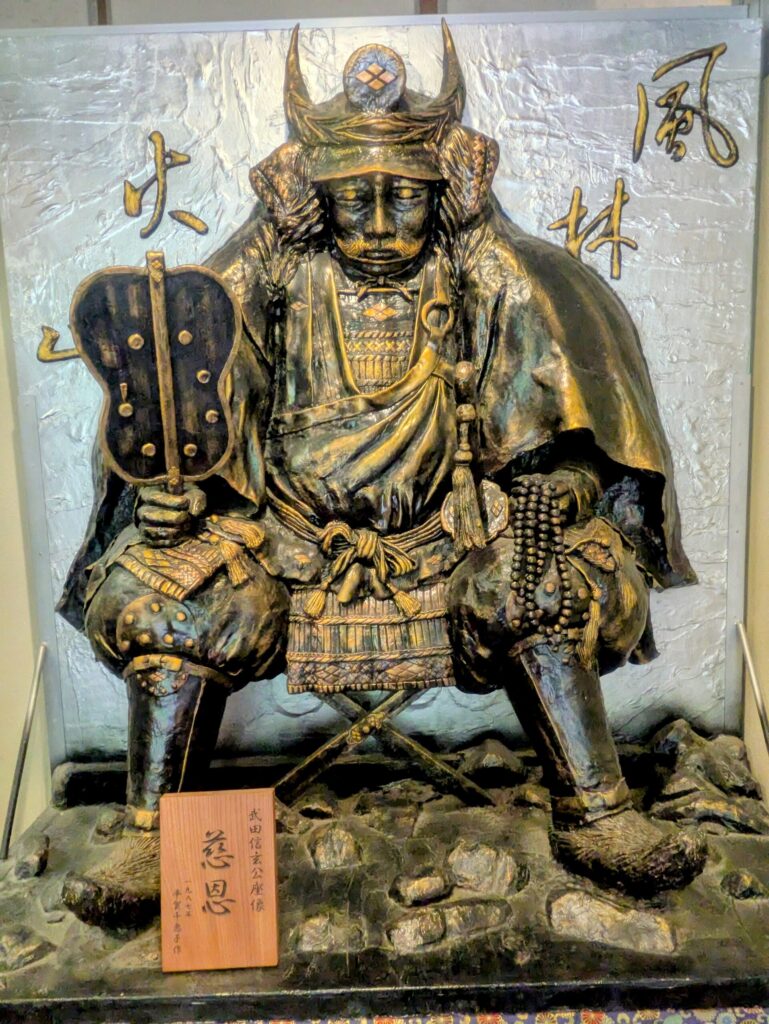
When I was younger, I devoured books on the Sengoku period and war chronicles, and spent countless hours playing the simulation game Nobunaga’s Ambition.
Even then, I wasn’t particularly a Takeda fan. If anything, I liked Uesugi Kenshin of Echigo more.
My image of Takeda Shingen was largely shaped—perhaps unfairly—by what I’d seen as a junior high school student: the NHK Taiga drama Takeda Shingen and Kurosawa’s film Kagemusha. Those impressions stuck with me for a long time.
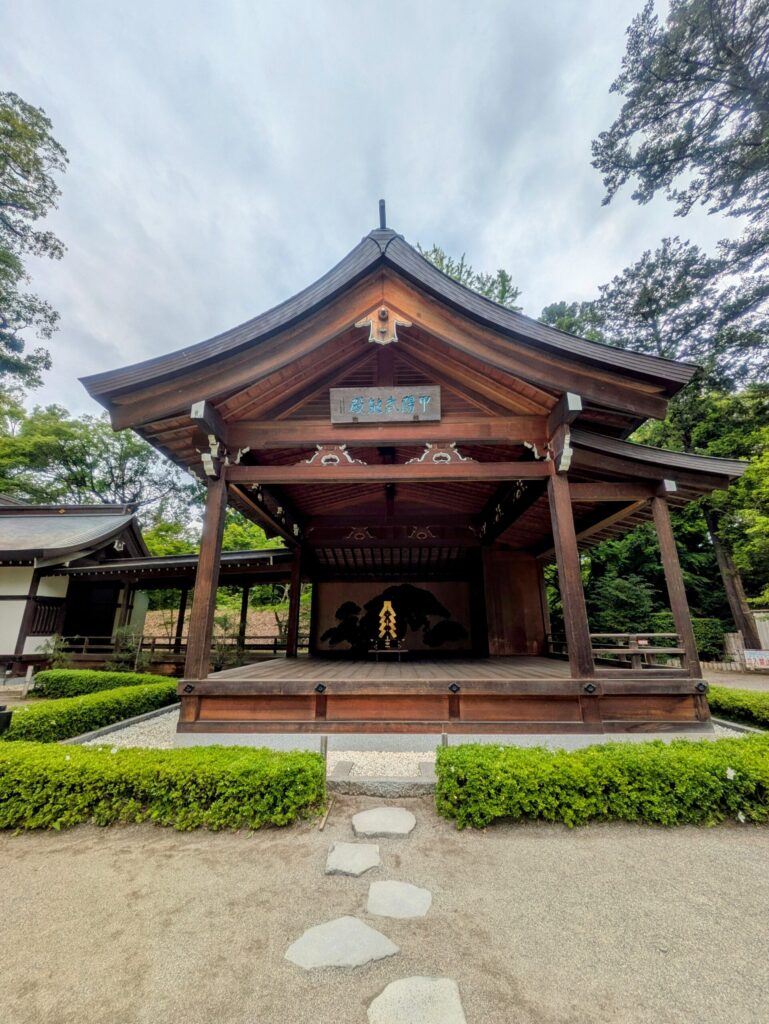
Walking the Former Residence Now Called Takeda Shrine
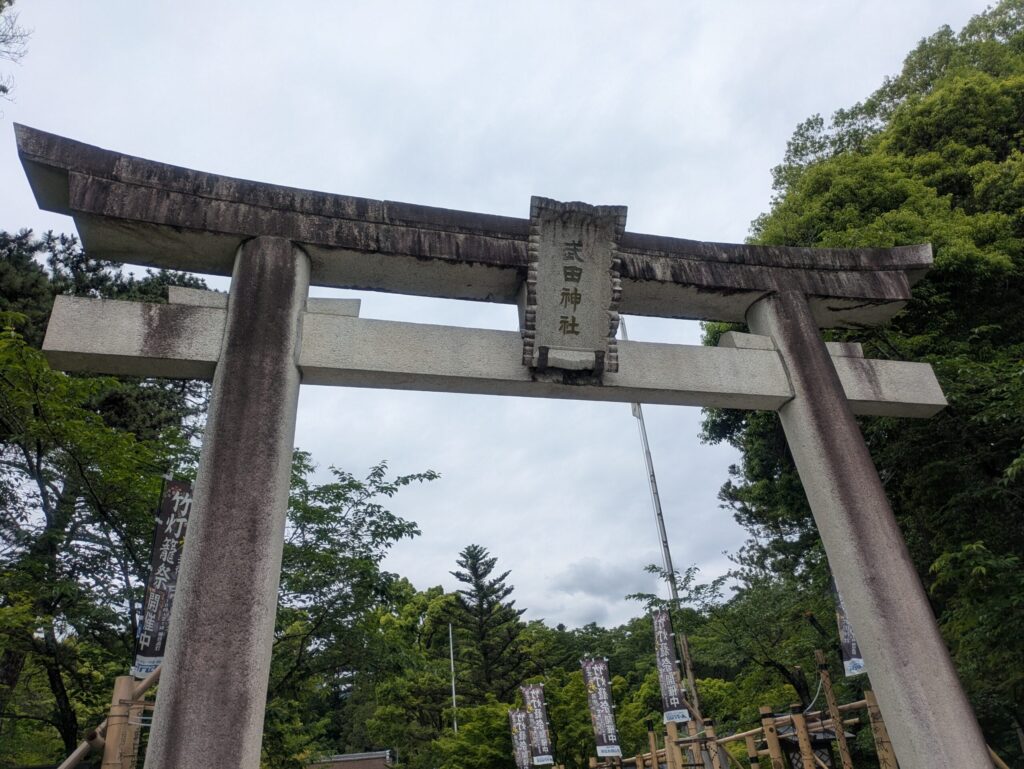
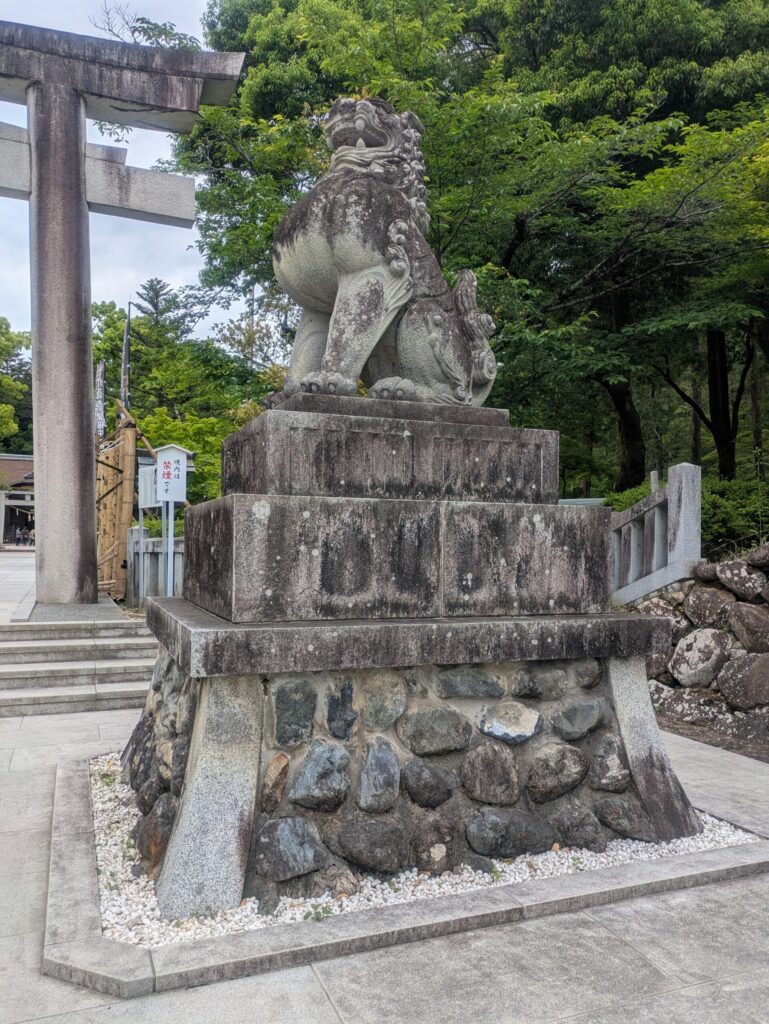
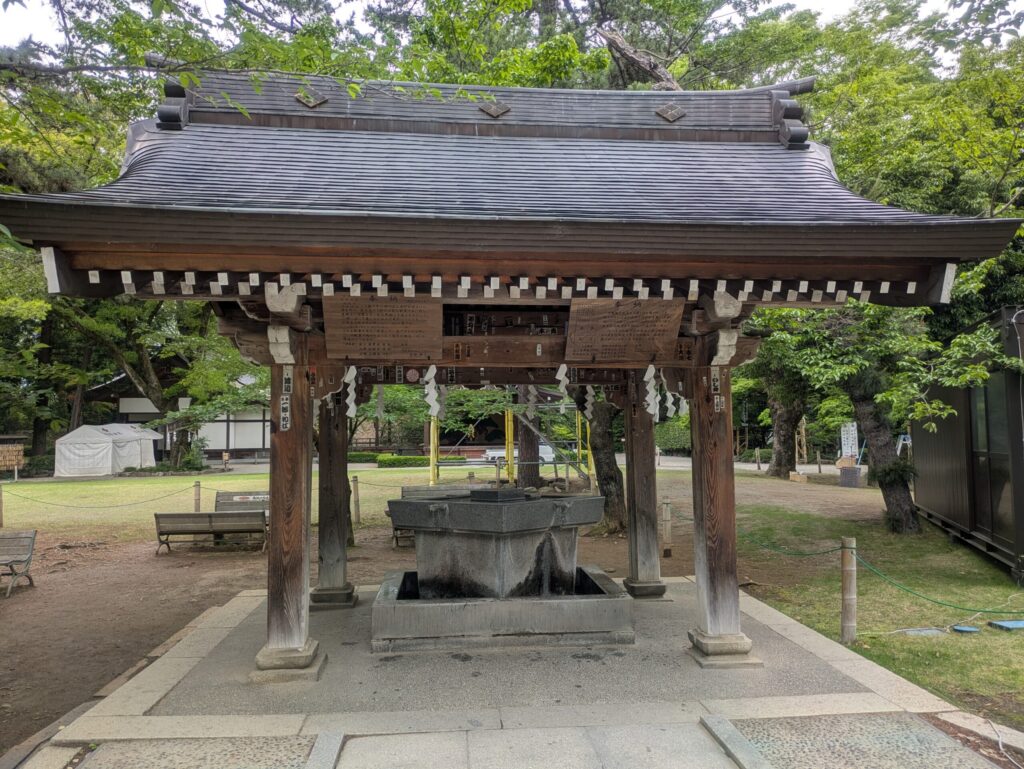
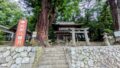
Passing under the torii gate and walking along the shrine approach, I felt the air change ever so slightly.
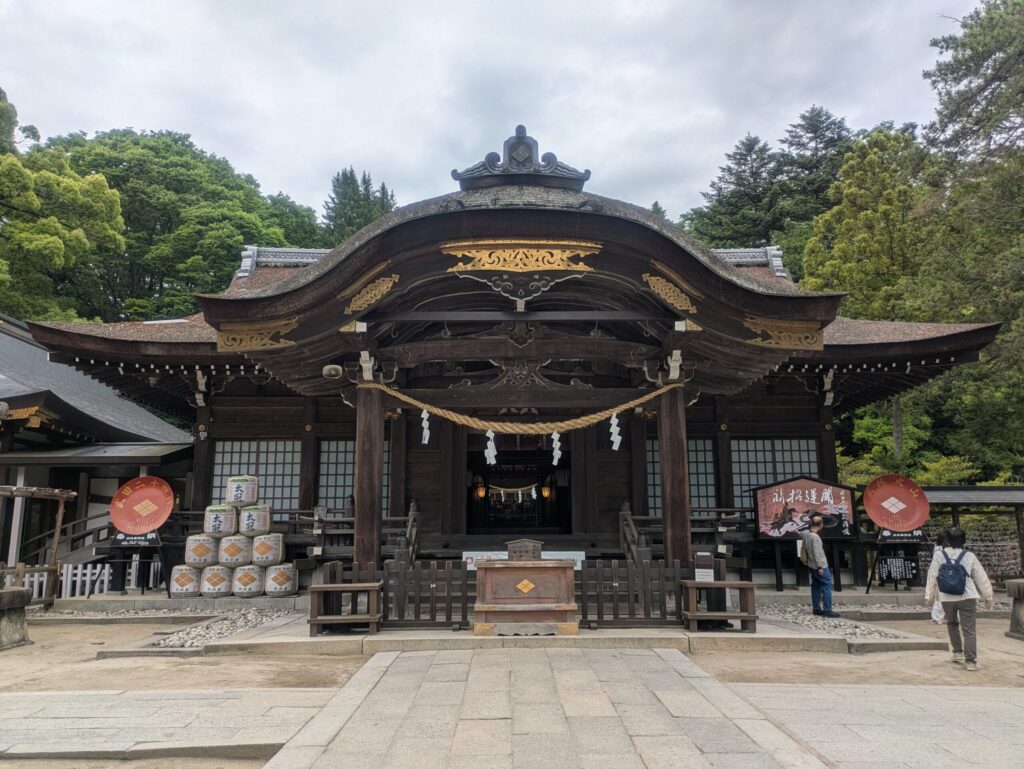
Stone steps, the crunch of gravel, a straight path leading toward the main hall.
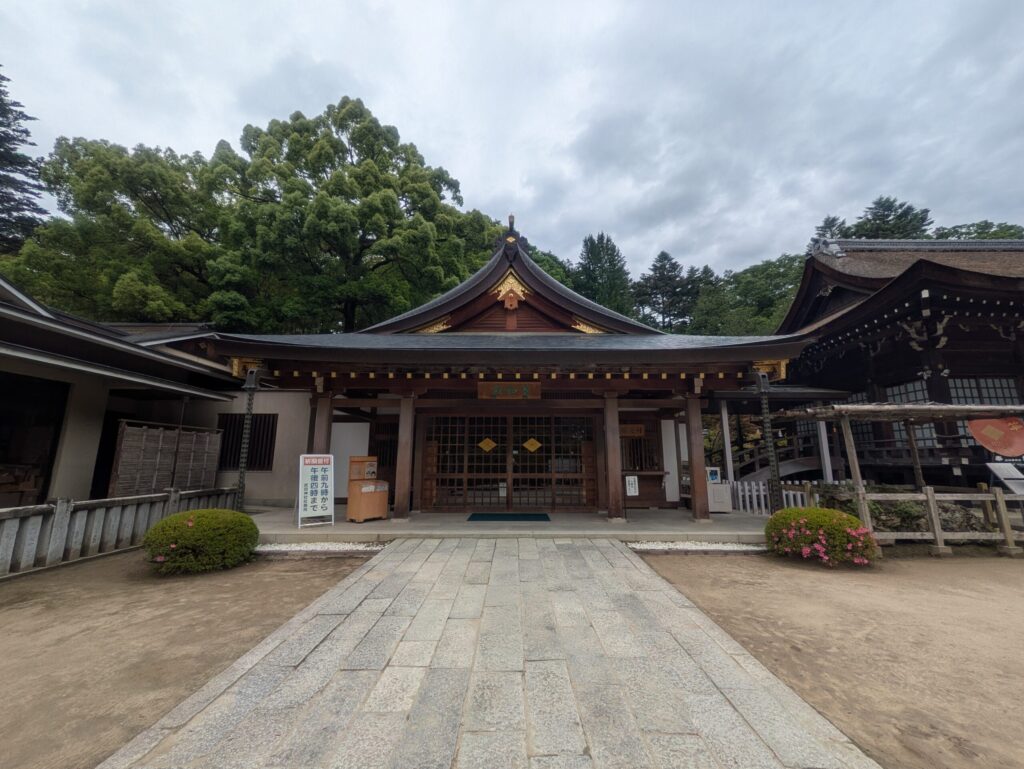
It’s a familiar Shinto shrine scene, and yet, behind that ordinary landscape, I could almost see a government seat from nearly 500 years ago taking shape in my mind.
This was once the site of Tsutsujigasaki Residence, I thought to myself, letting the feeling sink in.
The Quiet of Moats and Earthen Walls
Takeda Shrine doesn’t boast any dramatic castle stone walls towering over the grounds.
But the presence of moats and earthen embankments quietly reminds you that this is not just a shrine, but once was the stronghold of a Sengoku warlord.
The water-filled moat has a sleepy, almost drowsy expression, and the trees growing atop the earthen walls look as if they’ve been standing watch here for a very long time.
Maybe because it was a weekday, the usual bustle of a tourist spot was muted.
I stopped for a moment and looked down at the surface of the moat. All I could see there was wavering light and quiet shadows.
And yet, knowing that behind this stillness there once existed an age where human life and death swirled and clashed, I felt a faint stirring deep in my chest.
A Castle at the Heart of a Mountain Country
Looking out from Takeda Shrine at the beautiful mountains encircling Kofu, I’m reminded once again that old Kai Province truly was a country nestled right in the heart of the mountains.
Anyone who’s ever chosen the Takeda clan in Nobunaga’s Ambition will know the feeling: you’re surrounded on all sides by powerful rivals, and you have no access to the sea. It’s easy to imagine how difficult it must have been to govern and defend such a landlocked, mountain-bound domain.
From a place like this, marching on foot into neighboring Shinano or Suruga must have been incredibly demanding. I find myself wondering not just in the abstract, but in very concrete terms: How did they actually do it? Dressed and equipped as described in the historical records, how did they walk? Where did they camp along the way, and what did those nights on the road feel like?
When I walked to the back of the main shrine area, away from the front approach and the worship hall, all the visitors disappeared and the grounds gave way to a dense, shadowy forest. In that part of the shrine, I sensed a slightly eerie, mysterious kind of energy. It was, in its own quiet way, the most memorable spot of the entire visit.
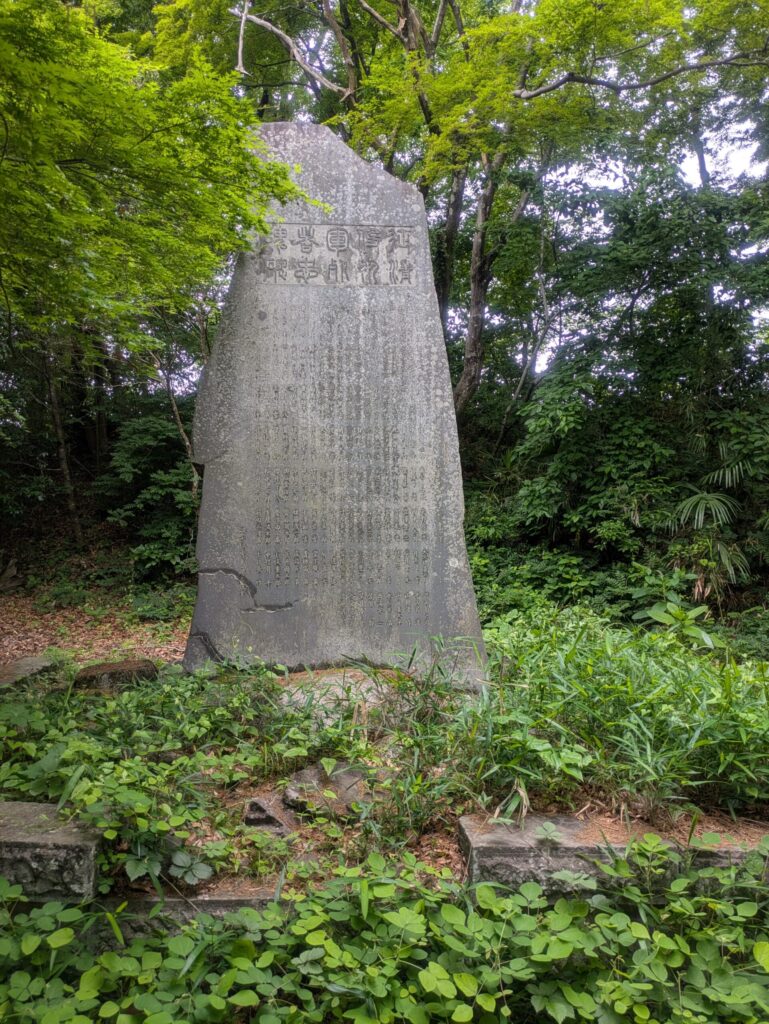
Built in the Meiji and Taishō eras with clear political intentions, the front approach of the shrine now feels almost entirely like a commercialized place of worship. Yet behind that façade, deep within the grounds, there was a very different atmosphere—a quiet vibration that seemed to flow from a much older time, untouched by those later historical circumstances.
There wasn’t a single person around. I felt as if I’d been cut off from the flow of time and slipped back into the past. Along with that sensation, a quiet, indescribable sense of awe began to well up in my chest.
Letting My Thoughts Wander on a Peak of History
Akira Kurosawa’s Kagemusha is one of my favorite films.
Told from the perspective of Shingen’s double, it portrays in a strikingly realistic way the everyday life and tension leading up to the Battle of Nagashino, which marked the beginning of the end for the Takeda clan.
Walking around these grounds while recalling the various scenes set at Tsutsujigasaki Residence in the film was fascinating.
This place, which served as the Takeda family’s residence for three generations, is now a quiet shrine. Yet I couldn’t help wondering: beneath that stillness, did the lingering traces of warfare, the weight of politics, and Shingen’s own inner conflicts and decisions once lie layered and sleeping here?
After the Russo–Japanese War, the government encouraged the enshrinement of martial and military deities, and Takeda Shingen—celebrated as a “war god”—naturally became the focus of a movement to found a shrine in his honor.
Later, in the Taishō era, Shingen was posthumously granted the court rank of Junior Third Rank. That recognition further fueled the push to build a shrine, and Takeda Shrine was finally completed in 1919.
Tracing this history, I sense more than just a simple wish to honor a beloved local hero. The intentions of the Meiji government also seem to show through. In the post–Russo–Japanese War climate that glorified “war gods,” Takeda Shingen was elevated as a symbol to strengthen loyalty to the new nation—and into that current, the local pride of the people of Yamanashi was skillfully woven. That is the impression I get.
Today, the shrine is known not only for “victory” linked to Shingen’s name, but also for blessings such as “prosperity in business,” “financial luck,” “good fortune,” and “protection from misfortune.”
In modern shrine visits, many people come seeking exactly these kinds of benefits, offering prayers and wishes accordingly. But what I see in that scene feels far removed from the original, ancient Shinto faith in the eight million kami. To me, it looks much more like a thoroughly commercialized form of religion.
In such commercially driven shrines, I can’t help feeling that there are no “gods” in the true sense of the word. Rather, I imagine that what actually resides there are spirits connected to the era and the land in which the shrine was established.
That is why, when I visit a shrine, I only offer a quiet greeting of respect when I step into the grounds. I never make specific petitions or wish-based prayers. In places that feel like “commercial shrines,” I sense that the many wishes born from people’s ego swirl together, and that such an atmosphere may attract not only deities but also lower-vibration entities. To avoid connecting with those, I choose to keep a deliberate distance: I visit, I greet, but I do not pray for anything.


コメント