Guitar Lake to Mt Whitney:4.5 mile
The Golden Dawn and the Final Grand Ascent
The final day of my John Muir Trail (JMT) journey had officially arrived. Opening my tent, I was greeted by a breathtaking sunrise painting the waters of Guitar Lake. I felt profoundly grateful to have spent the penultimate night of this monumental journey at such a world-class, front-row campsite.
According to the map, the summit of Mt. Whitney was less than five miles away. However, the trail required a relentless 3,000-plus foot vertical climb to get there. Though the mileage was short, I had imagined that this would be the toughest trekking of the entire trip. Mindful of the severe energy depletion I had experienced over the last three days, I didn’t ration this morning. I used up my backup snack bars to pack a double breakfast into my system before tackling the final trek.
Awakening the “Hiker’s Legs”
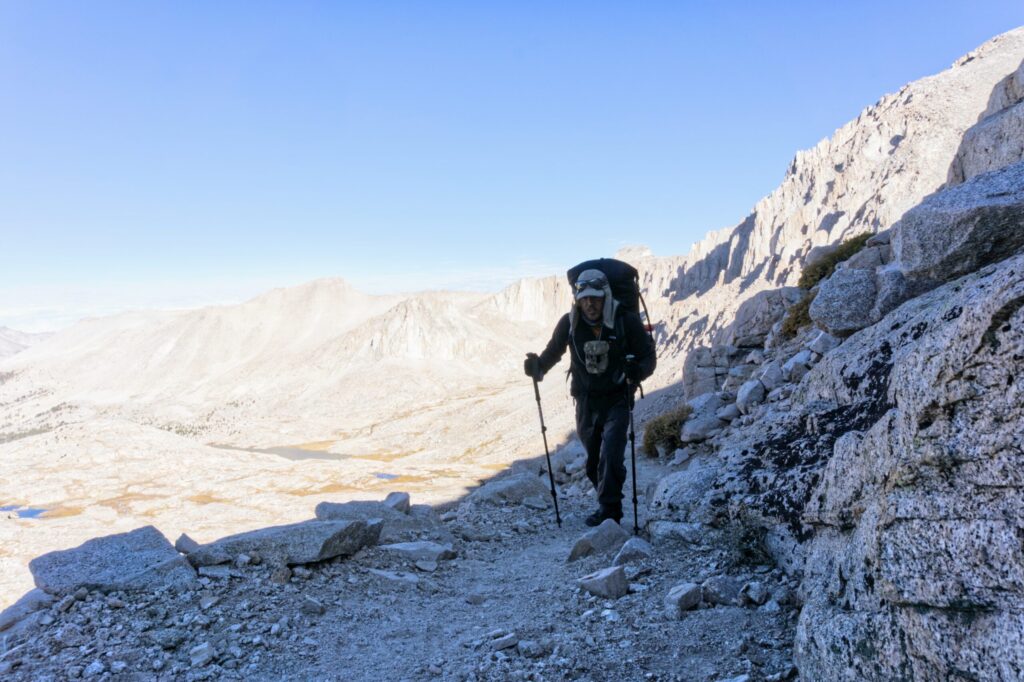
Leaving Guitar Lake behind, I began the steady grind up toward the trail junction where the JMT meets the PCT. Even though it was less than three miles away, the immediate, steep morning incline hammered away at my reserves.
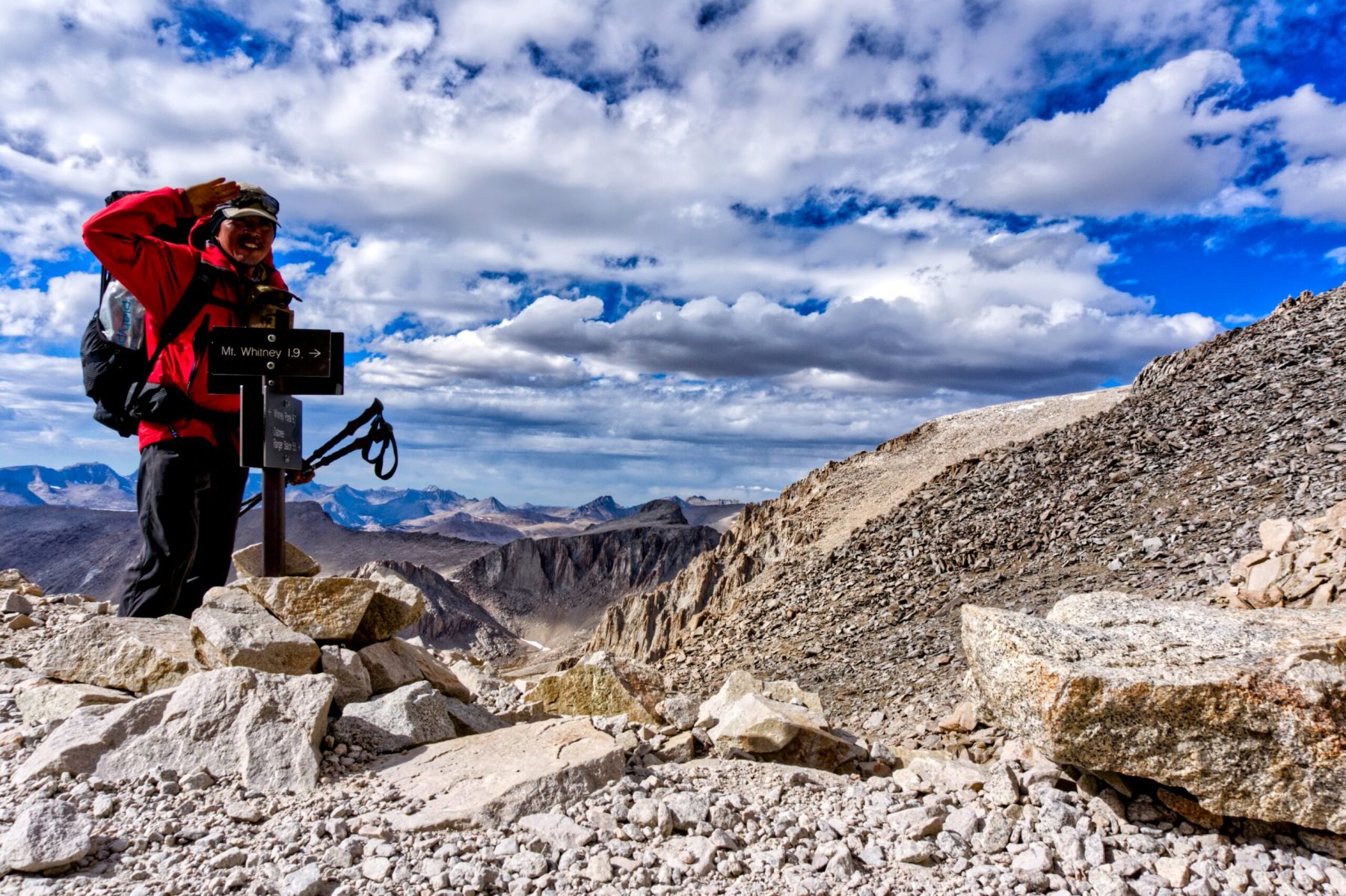
When I finally reached the junction, I scanned the rocks. From the journals of past thru-hikers, I had expected to see an array of heavy backpacks left here by others pushing for the summit. To my surprise, there wasn’t a single pack in sight. Remembering the information that marmots will chew through packs to get inside for food if left unattended, I carefully pulled my food-laden bear canister out of my heavy pack and left it securely wedged in the rocks.
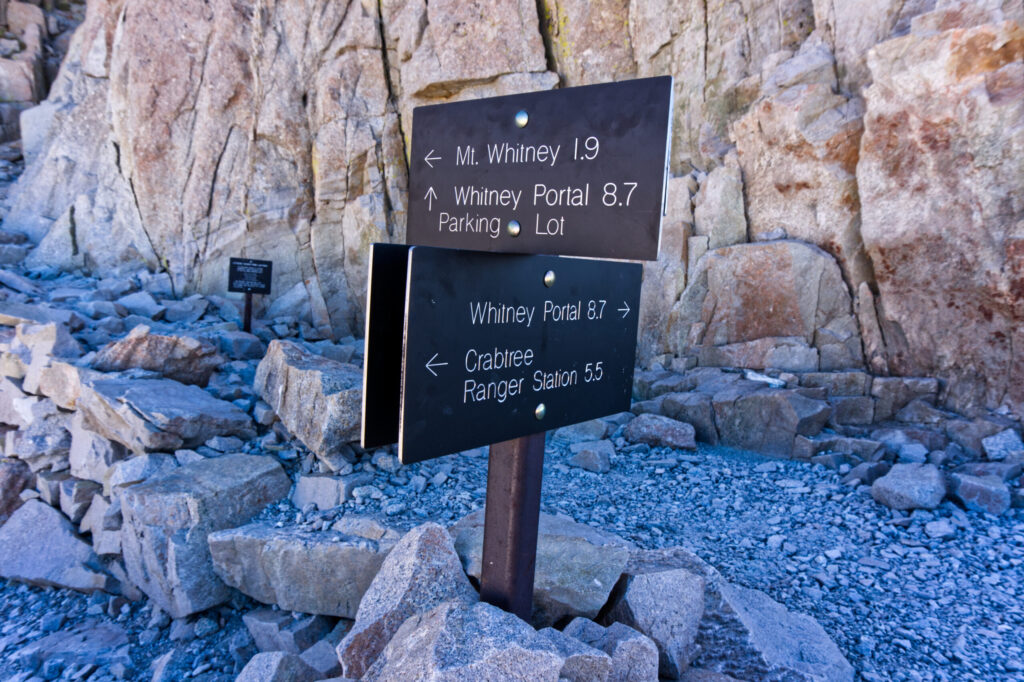
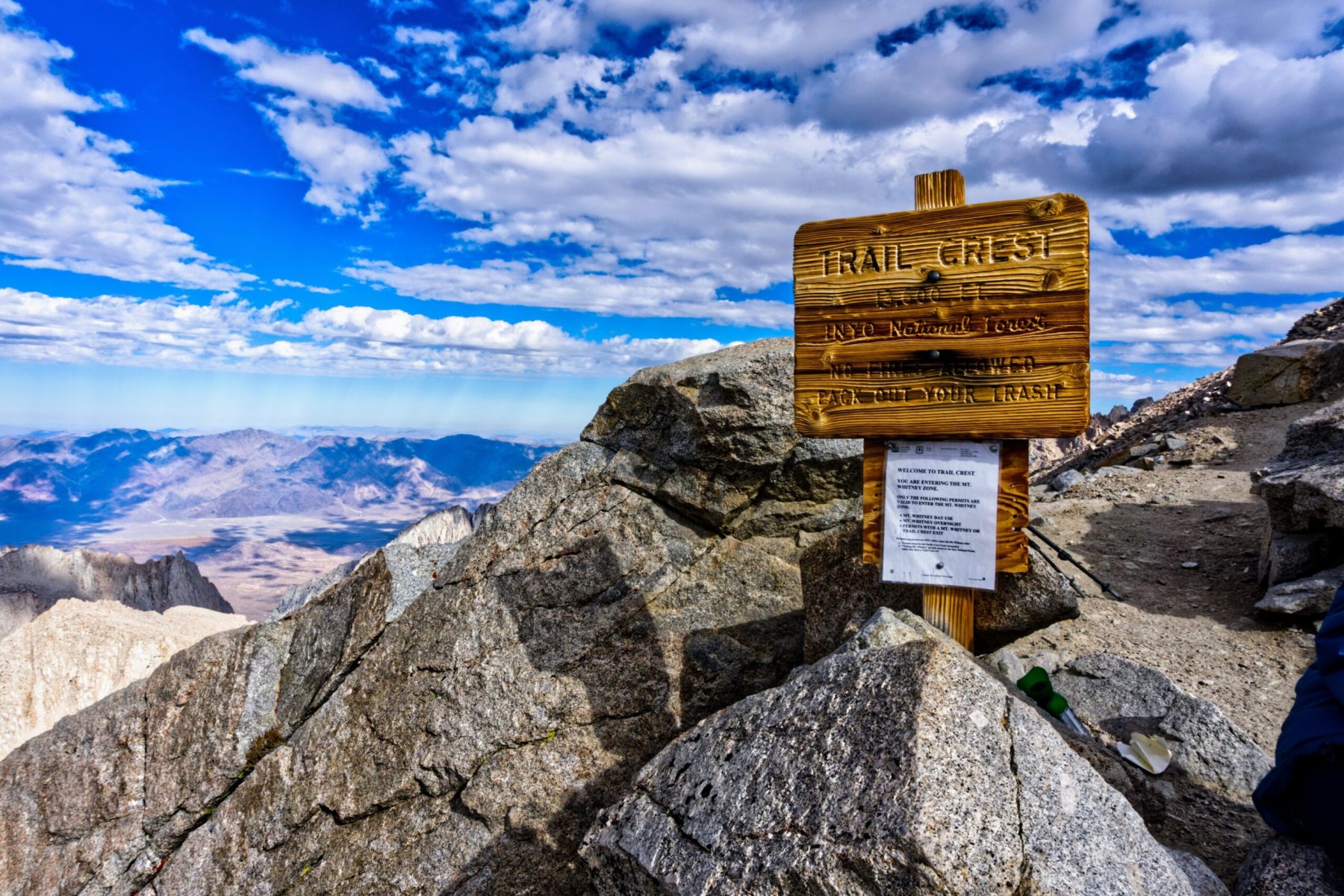
From here, the sign read 1.9 miles to the summit. With only water, a few snack bars, and a jacket tossed into my small summit sack, I stepped onto the trail. Instantly, an unbelievable sensation rushed through my entire body.
“I’m so light… I feel like I could literally fly.”
For over 200 miles, I had been tethered to a bloated 70-liter pack that had been stuffed to its absolute limit. When leaving MTR, it had weighed nearly 50 pounds, so to be suddenly liberated from that crushing ballast made me feel weightless. Along the way, I encountered numerous day hikers. While they moved at a labored, glacial pace with exhausted expressions, I found myself virtually running up the mountain, passing them one after another. The sheer explosive propulsion in my stride felt magical.
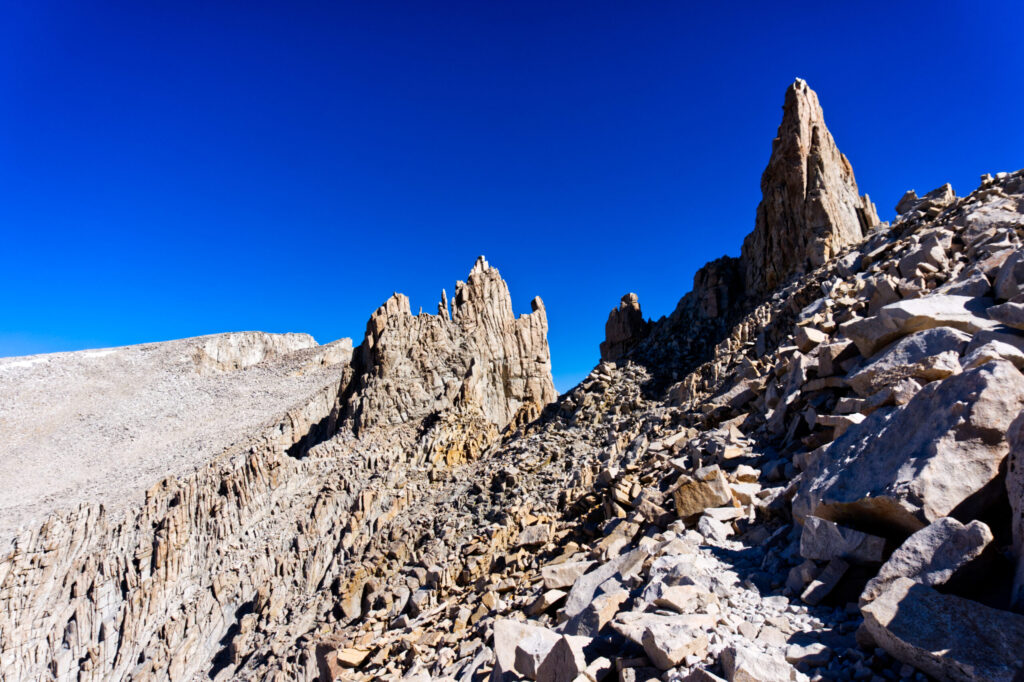
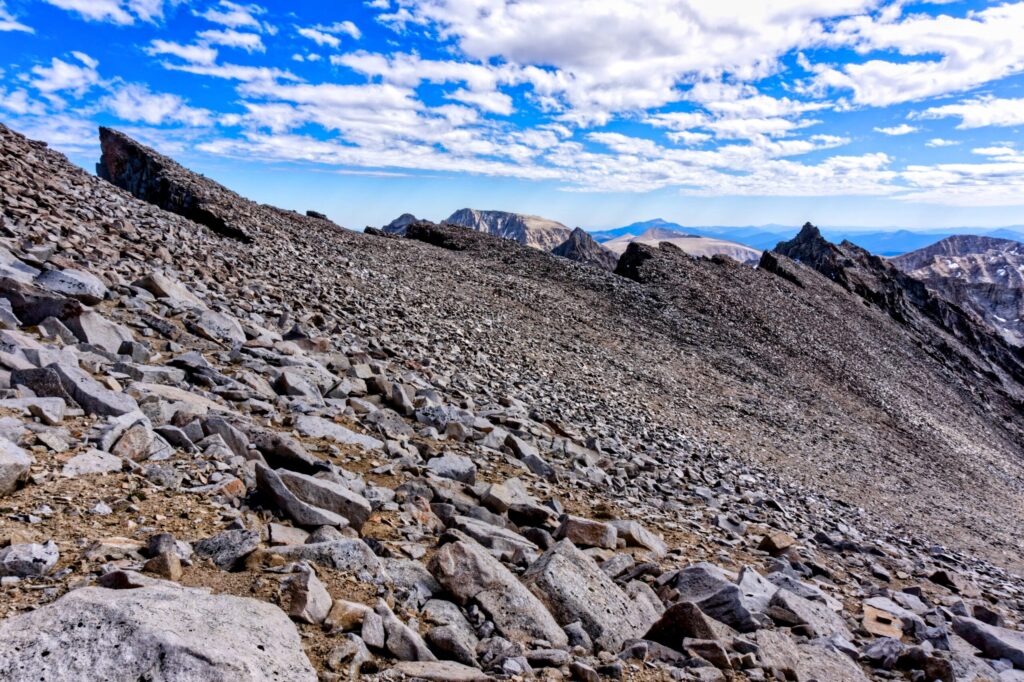
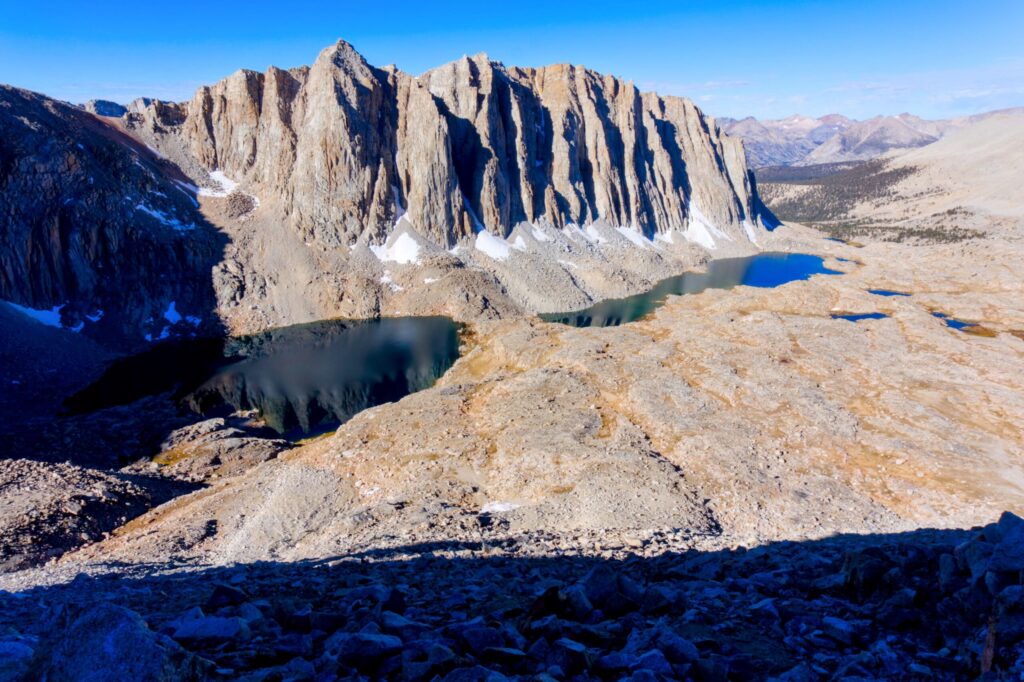
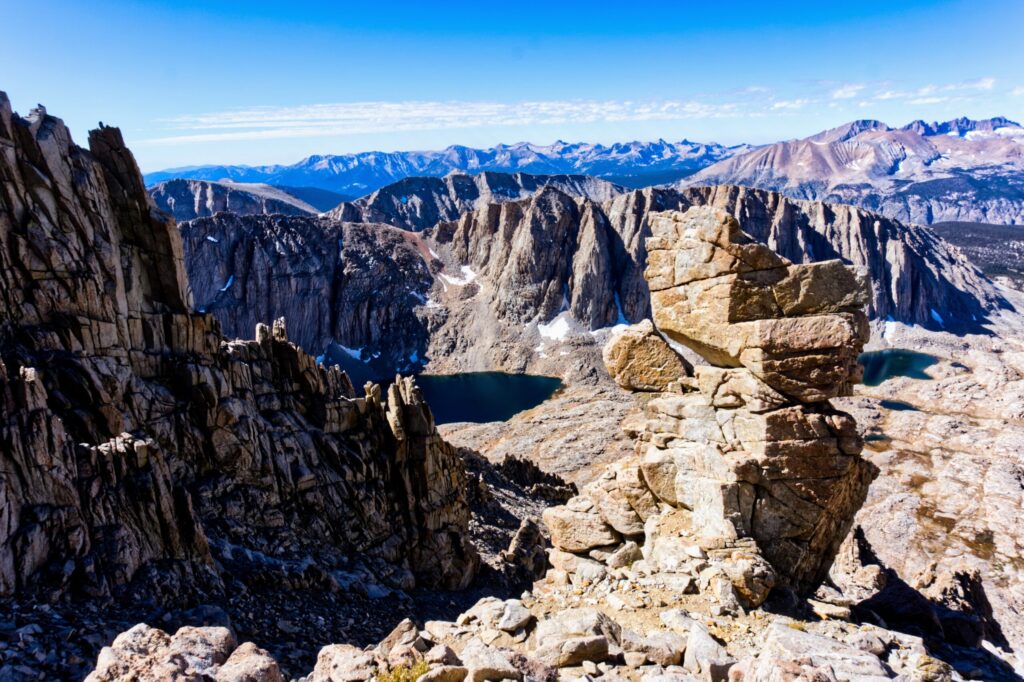
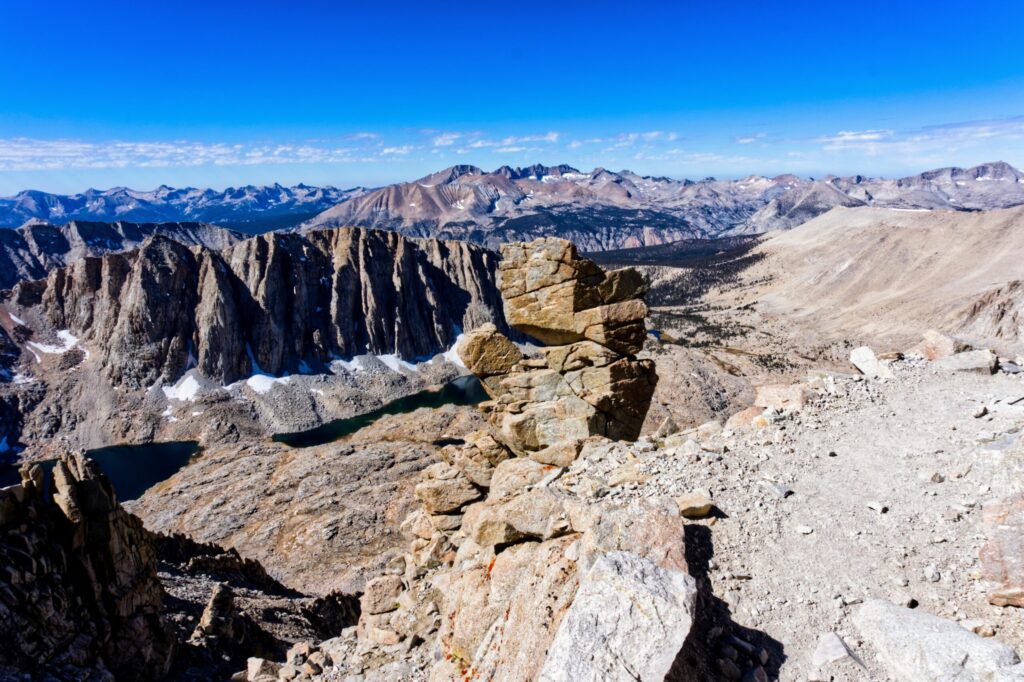
It was my first encounter with day hikers since the area around Devils Postpile. While this iconic Whitney trail is famous for being chronically overcrowded during peak season, on this Monday in October, the crowds were beautifully sparse.
My muscles should have been completely spent. Before setting off on this trip, I had heard from a veteran thru-hiker that a long-distance hiker develops what they call “hiker’s legs” along the way, but now I understood it through firsthand experience. After walking over 200 miles of rugged mountain trails, my entire body was exhausted, but my legs had become completely adapted to trekking.
The 14,505-Foot Peak: Solitude and Pure Accomplishment
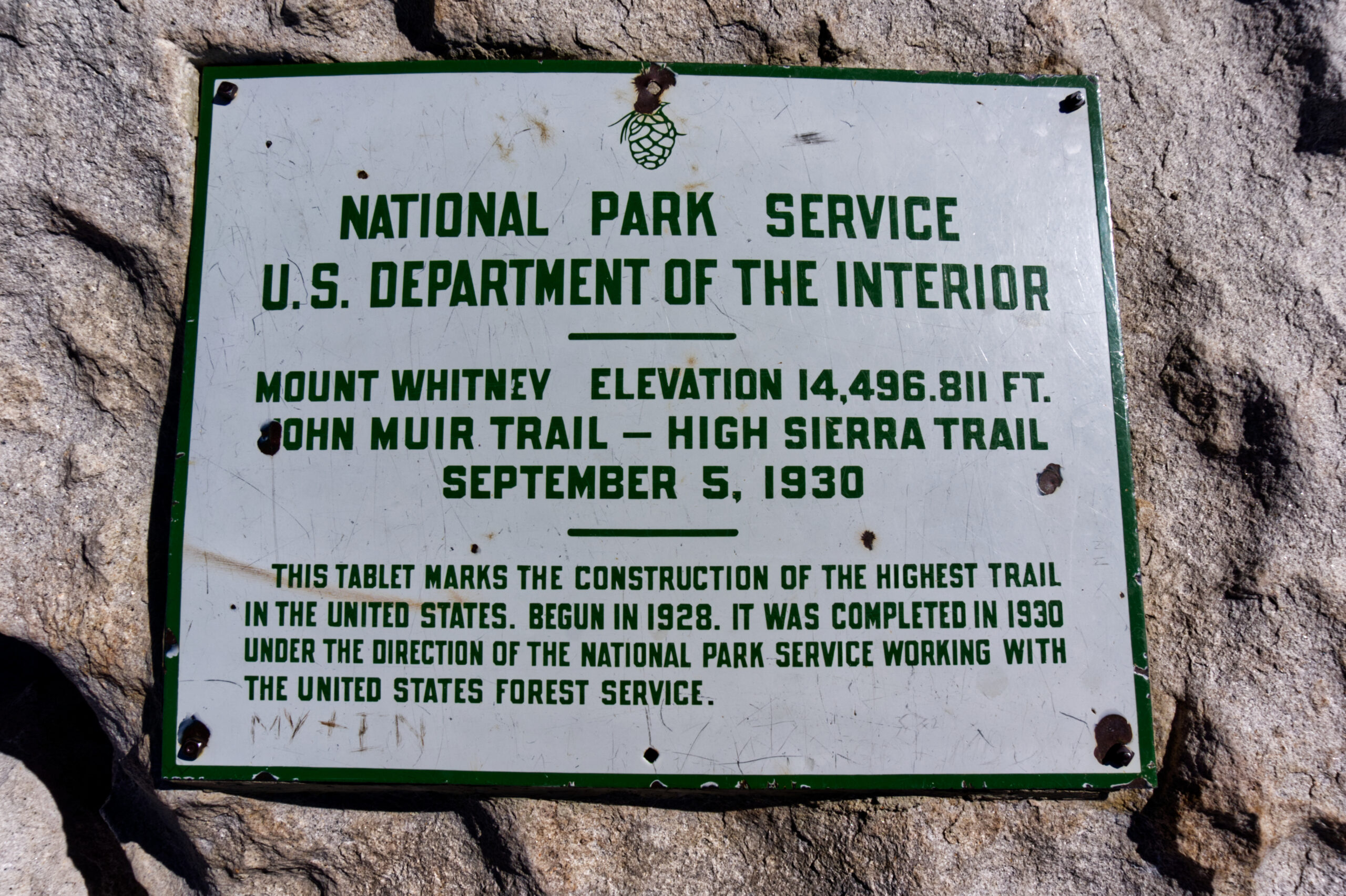
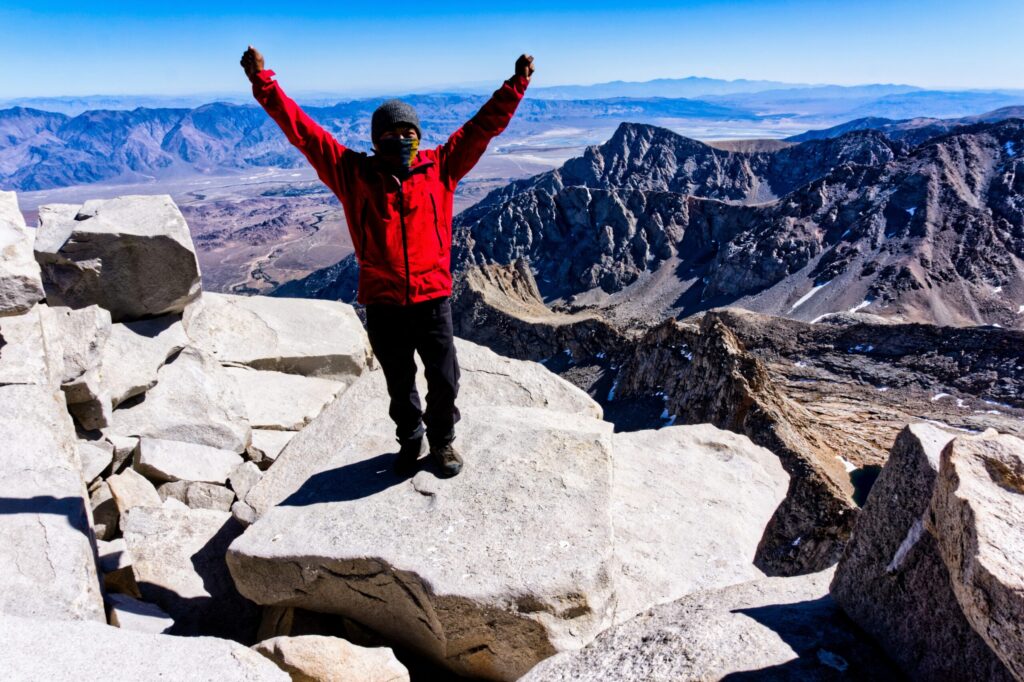
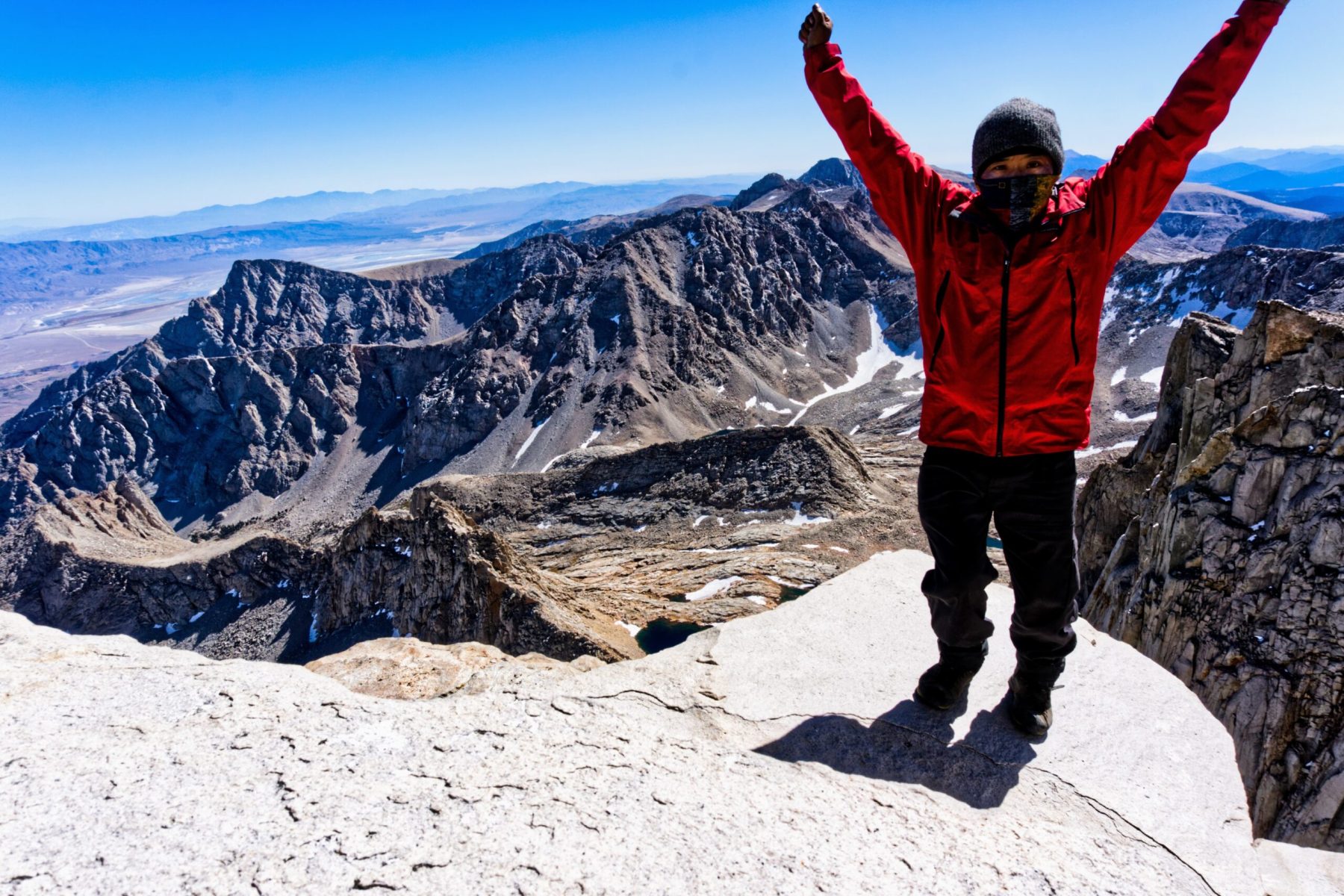
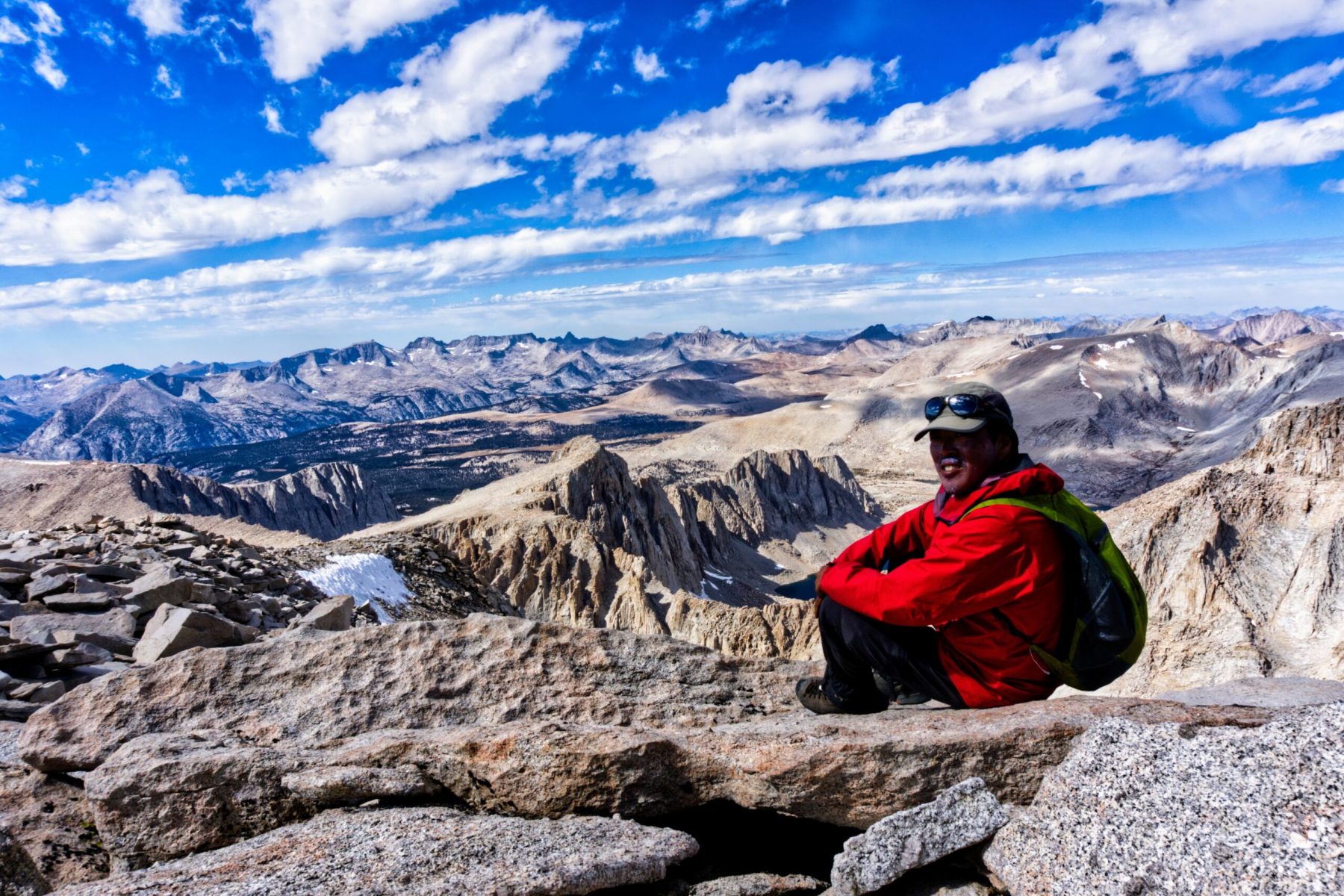
Maintaining my blistering pace along the spectacular ridge trail, I reached the summit of Mt. Whitney (14,505 ft / 4,421 m) in less than an hour.
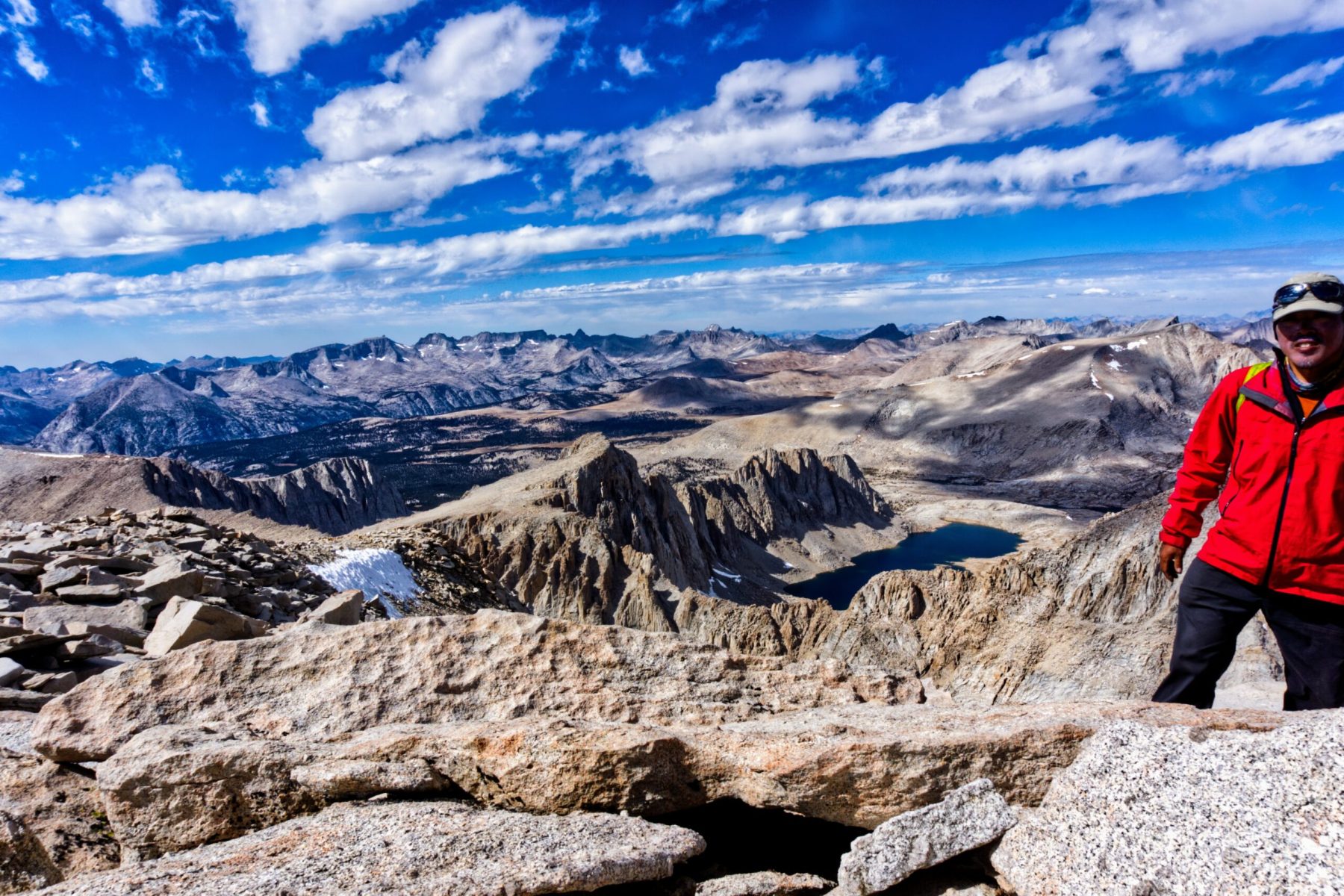
The top of the highest peak in the contiguous United States was vast and expansive. Only about ten people were scattered across the summit on this quiet Monday morning. Looking around, the realization of why there were no packs at the junction finally clicked: I was the only JMT thru-hiker on the mountain.
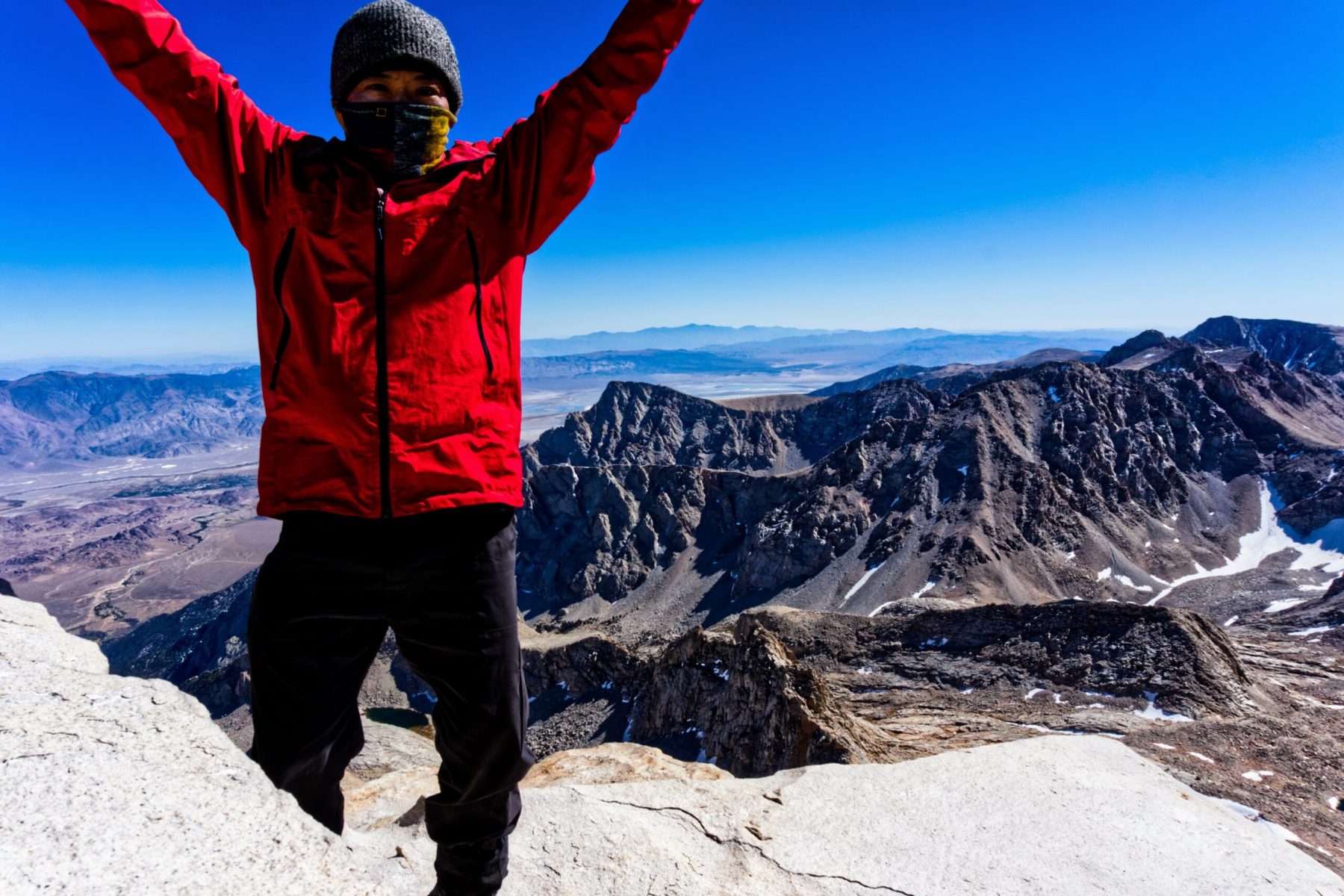
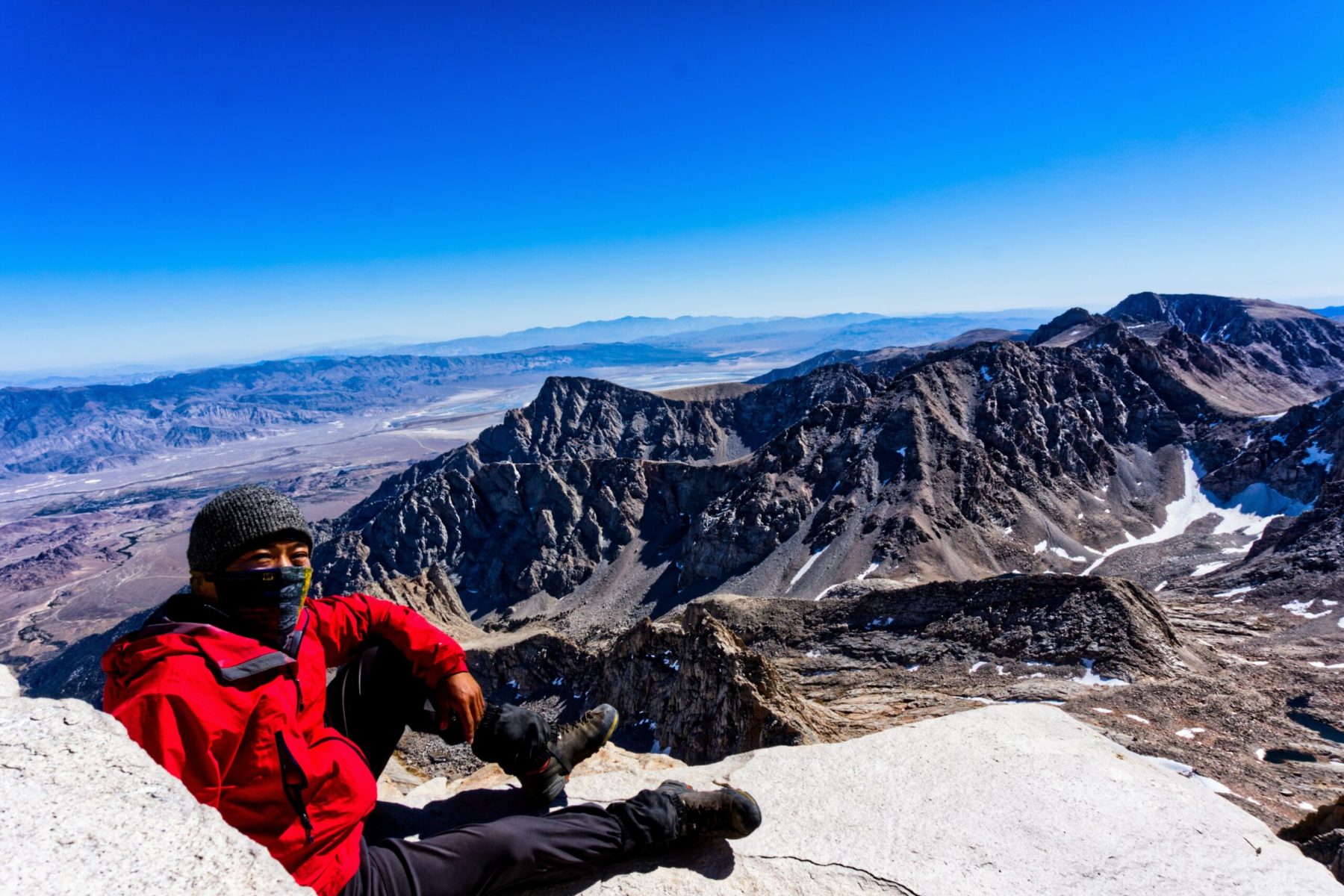
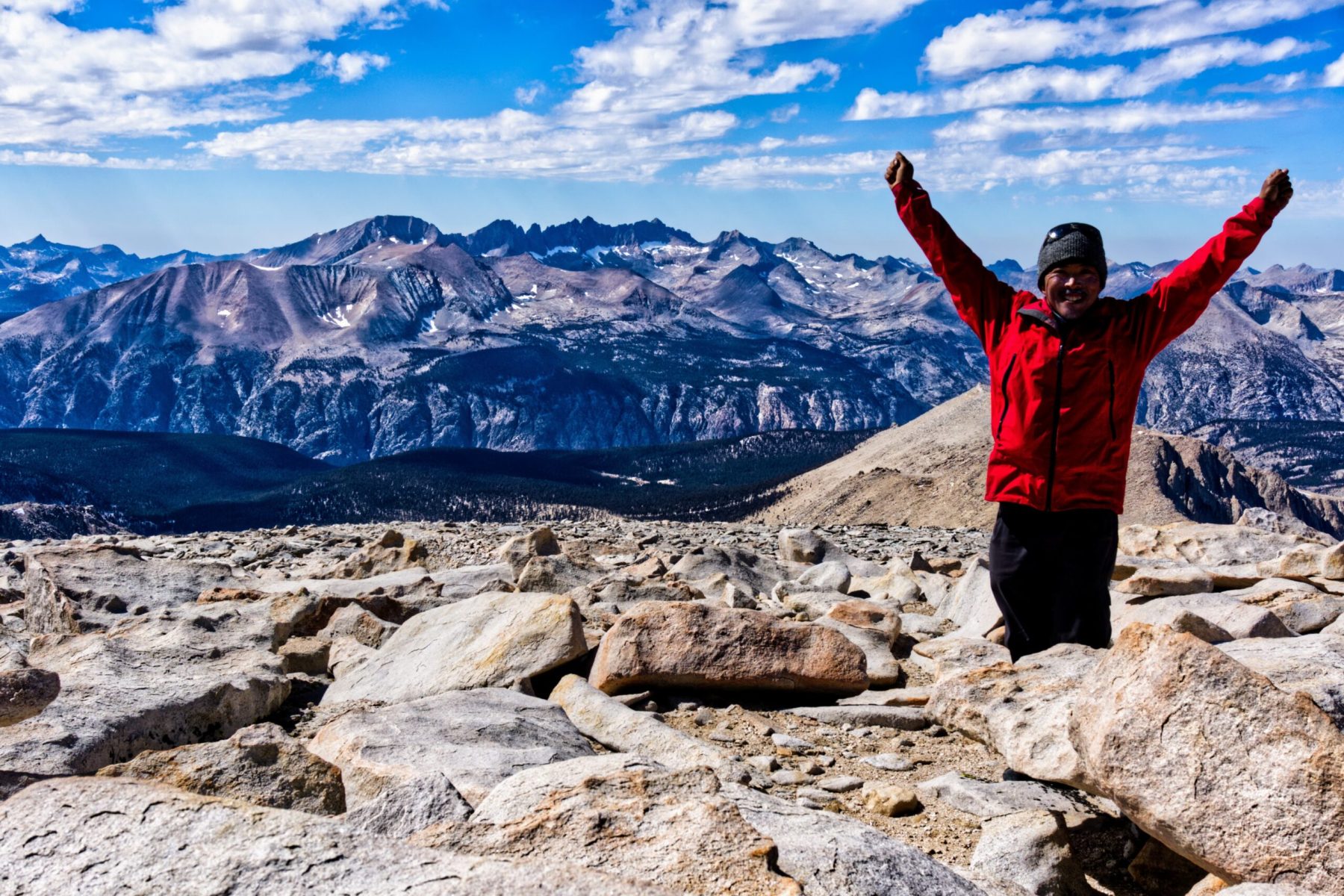
Everyone else was a day hiker. Gradually, more hikers began to arrive, and the summit became quite lively. To be honest, it felt a little lonely not having fellow thru-hikers to share a celebratory embrace with after surviving the same grueling trail. To the casual observer, having left my expedition pack below, I probably looked just like another day hiker. No words were exchanged, and a quiet sense of isolation drifted around me. Yet, the sense of accomplishment swelling inside me was monumental. “If that’s the case,” I thought, “savoring this ultimate triumph in absolute silence is a reward in itself.” With that thought, a deep, luxurious pride filled my soul.
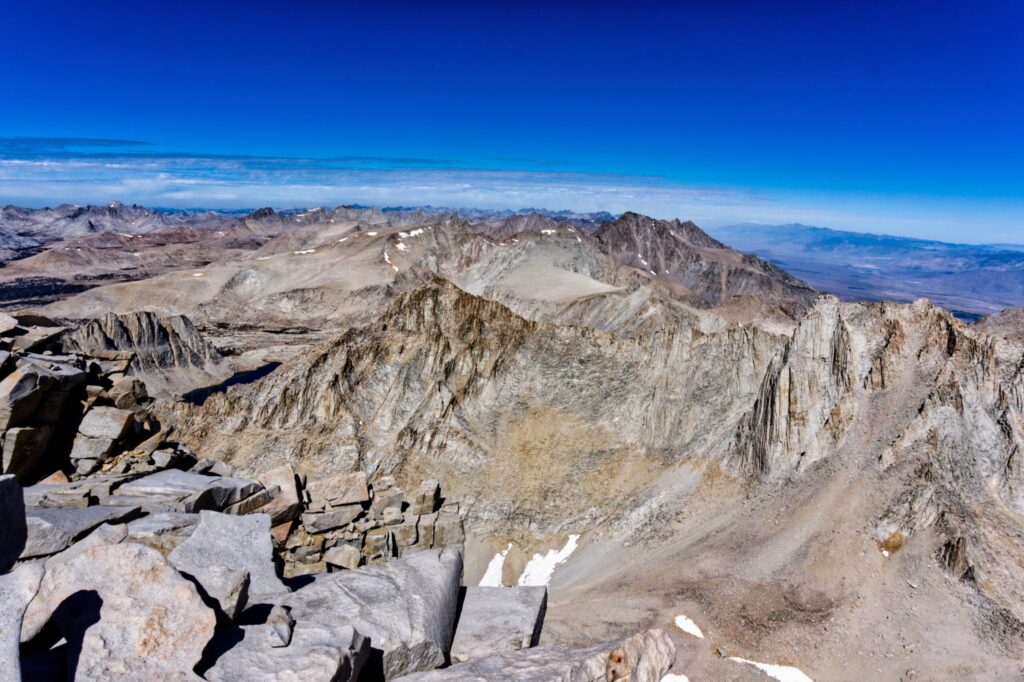
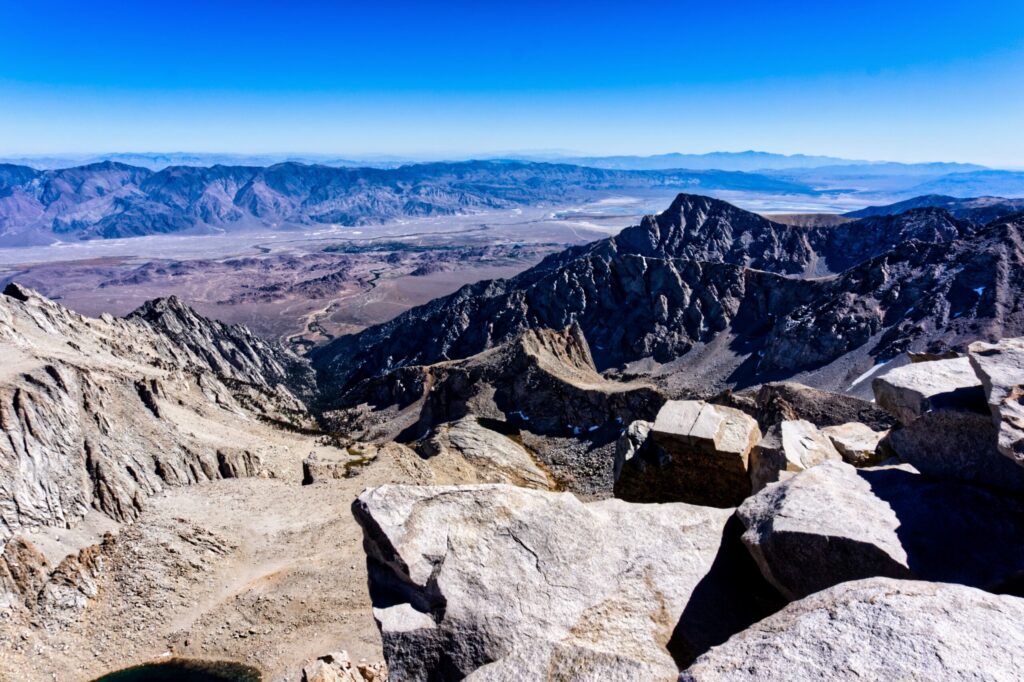
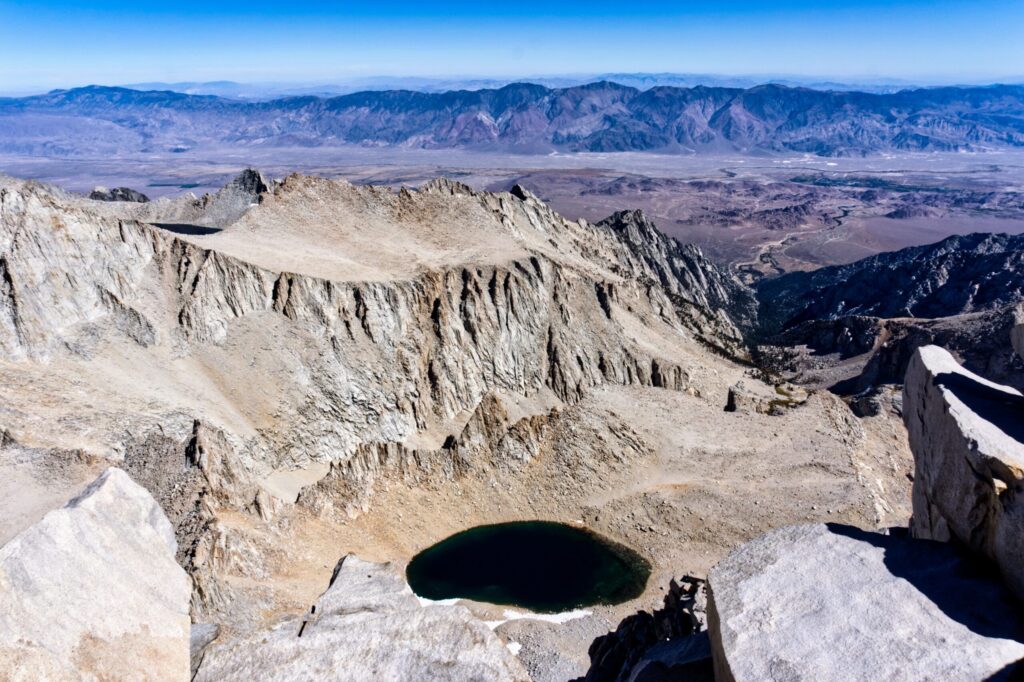
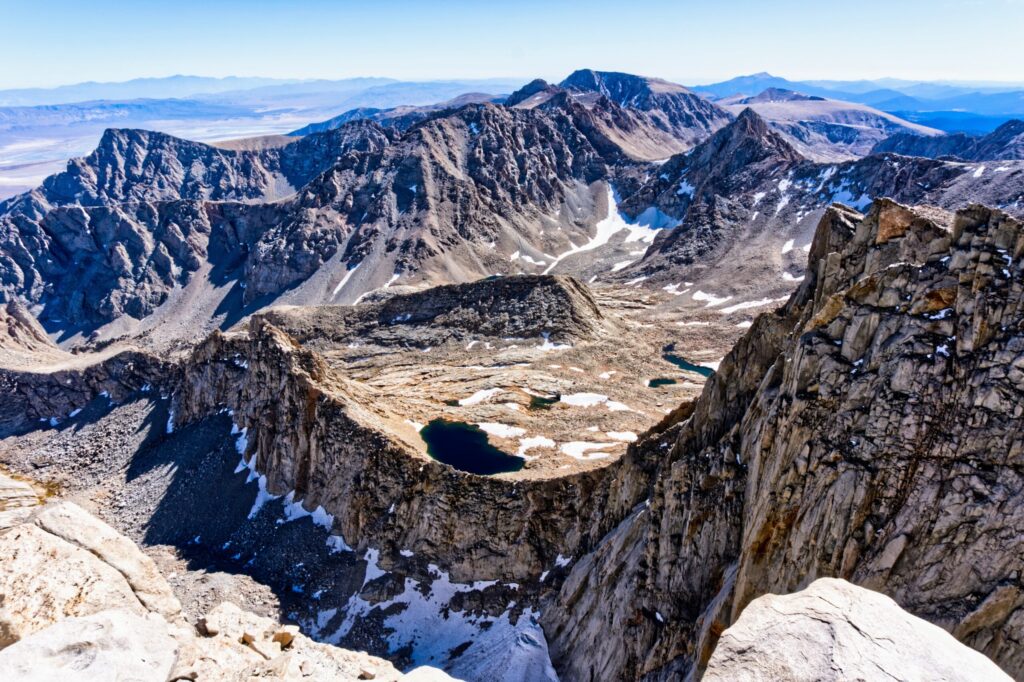
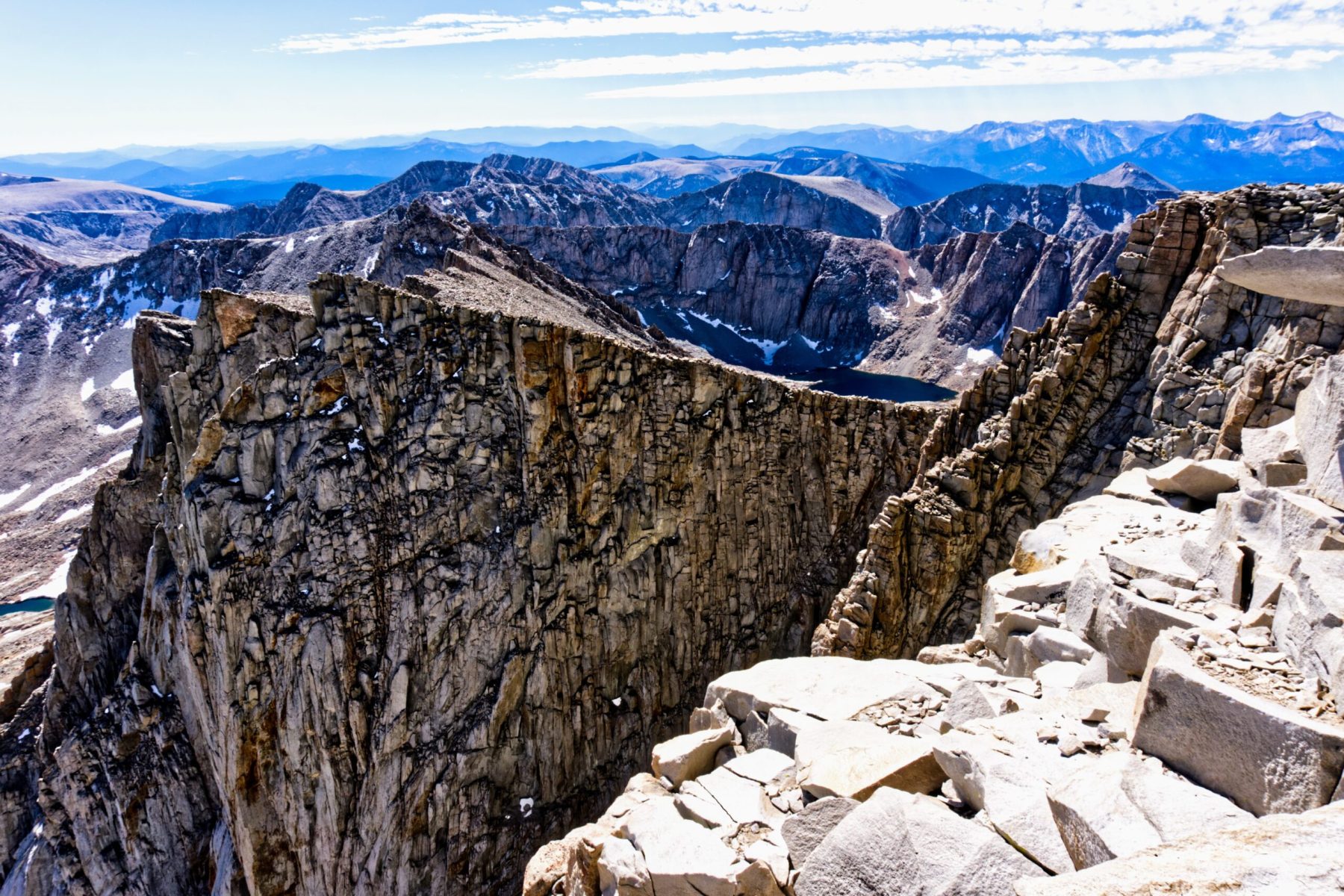
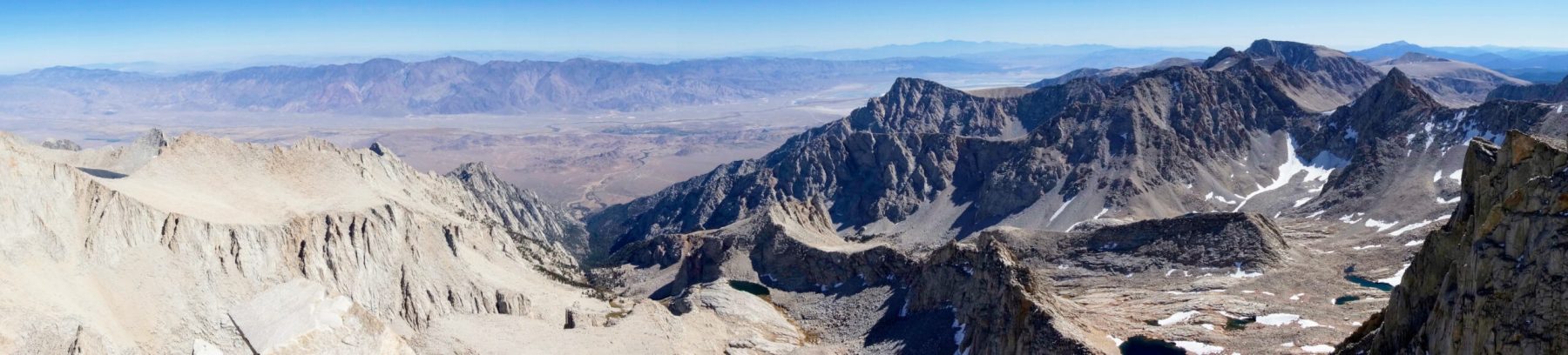
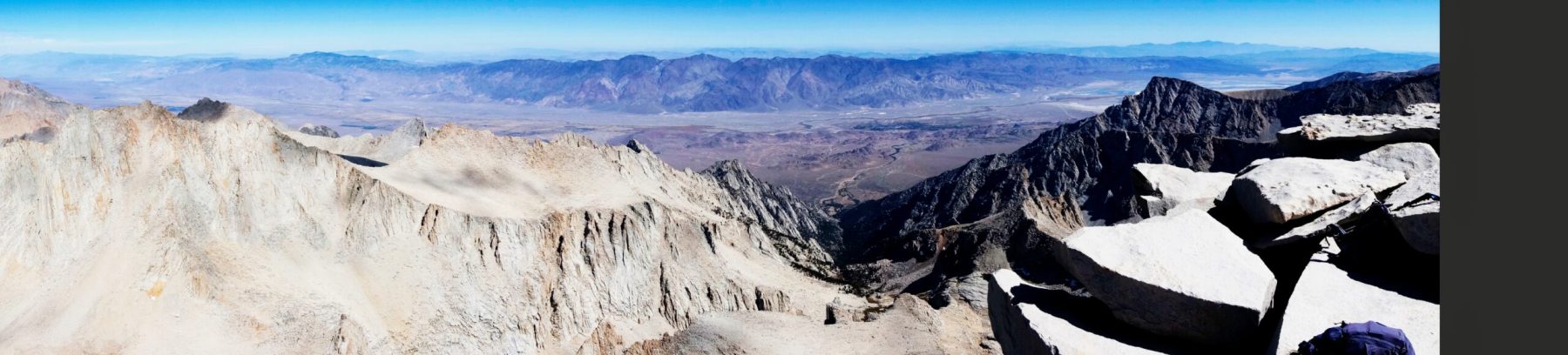
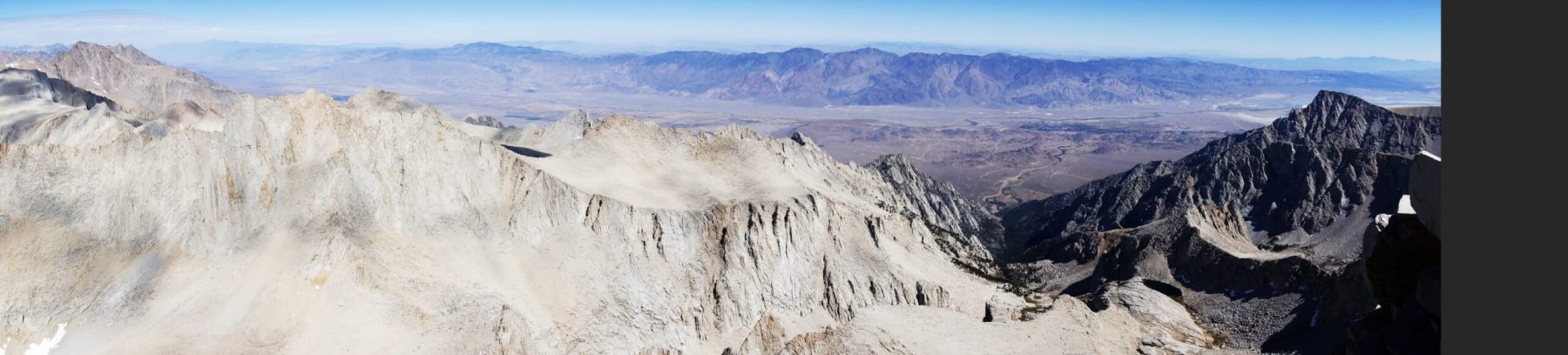
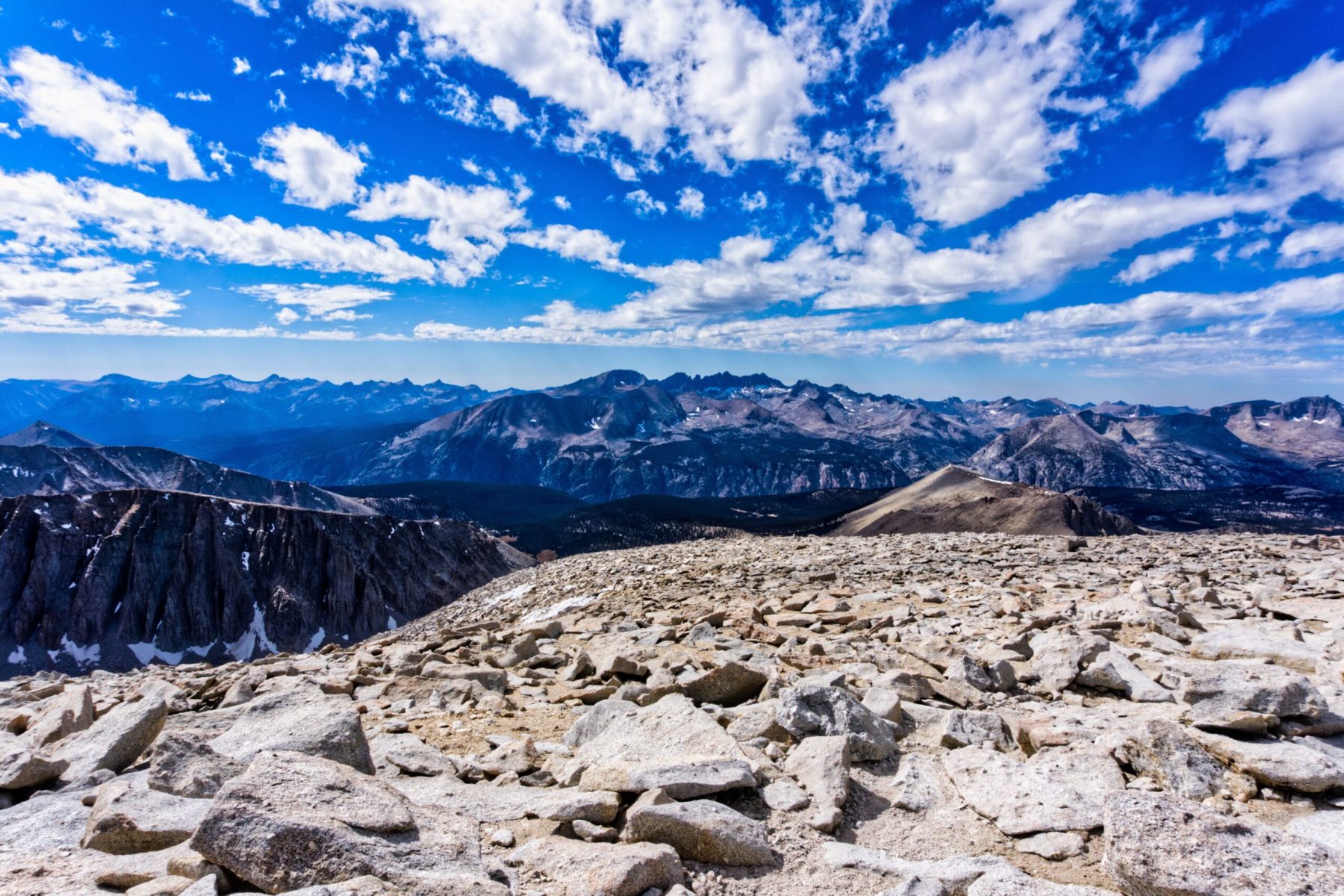
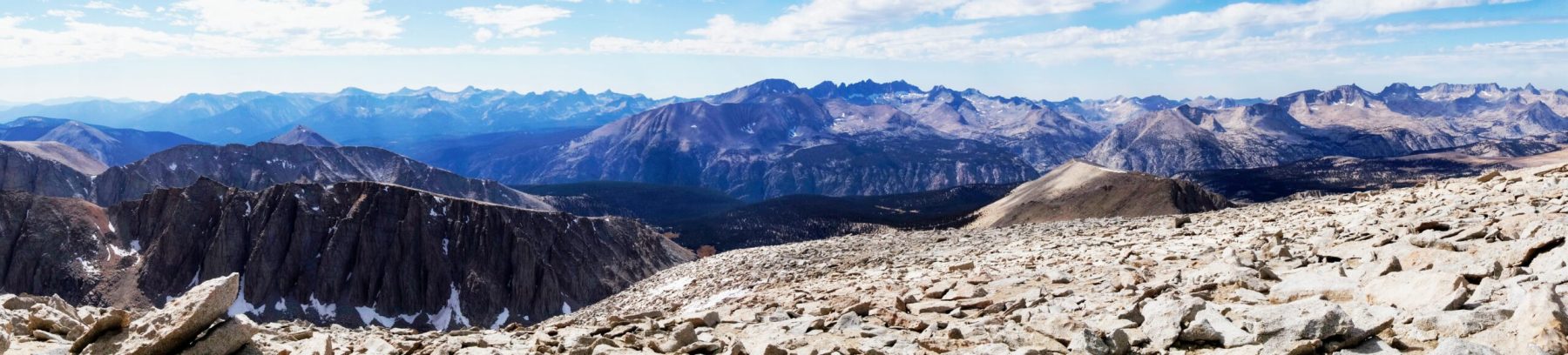
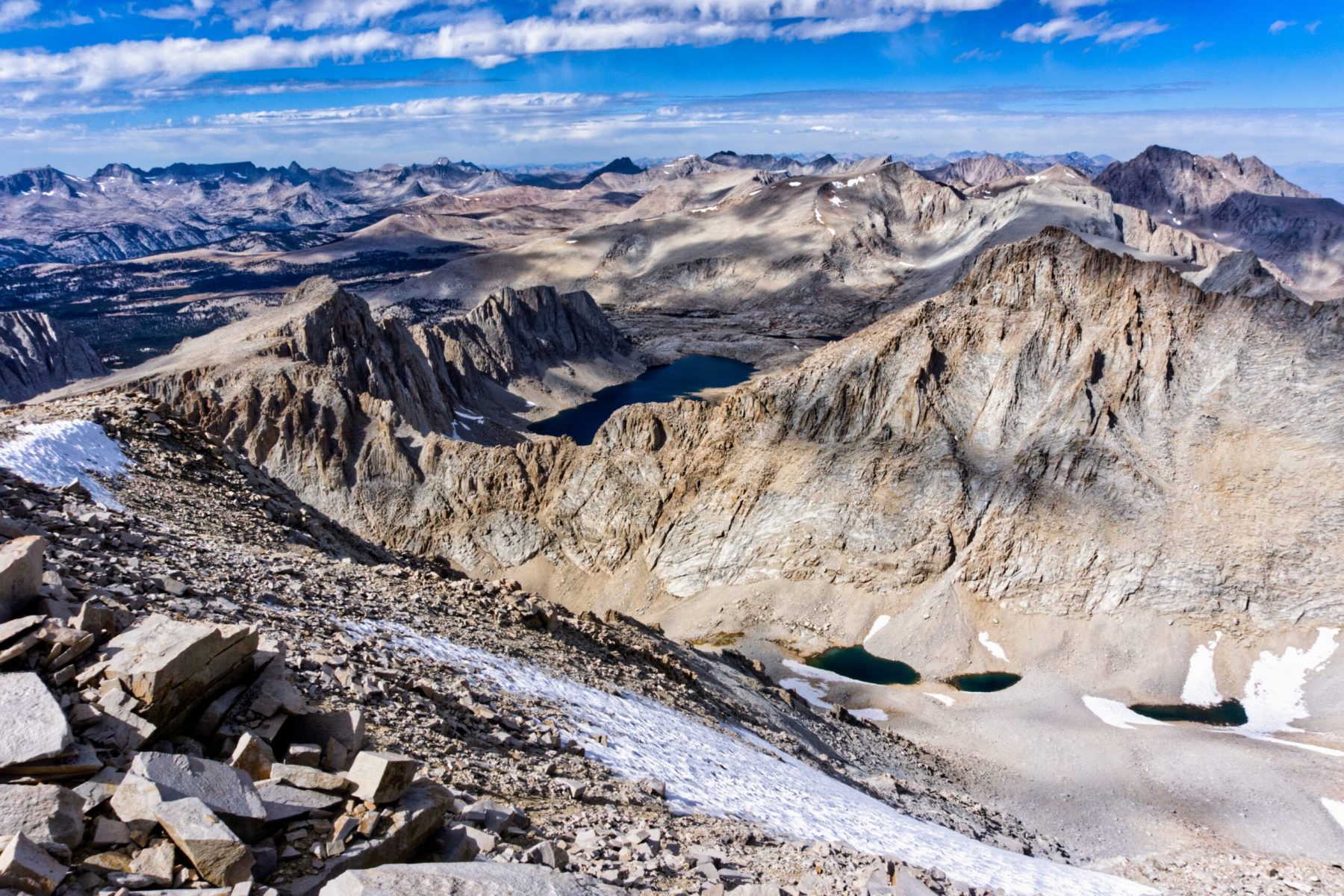
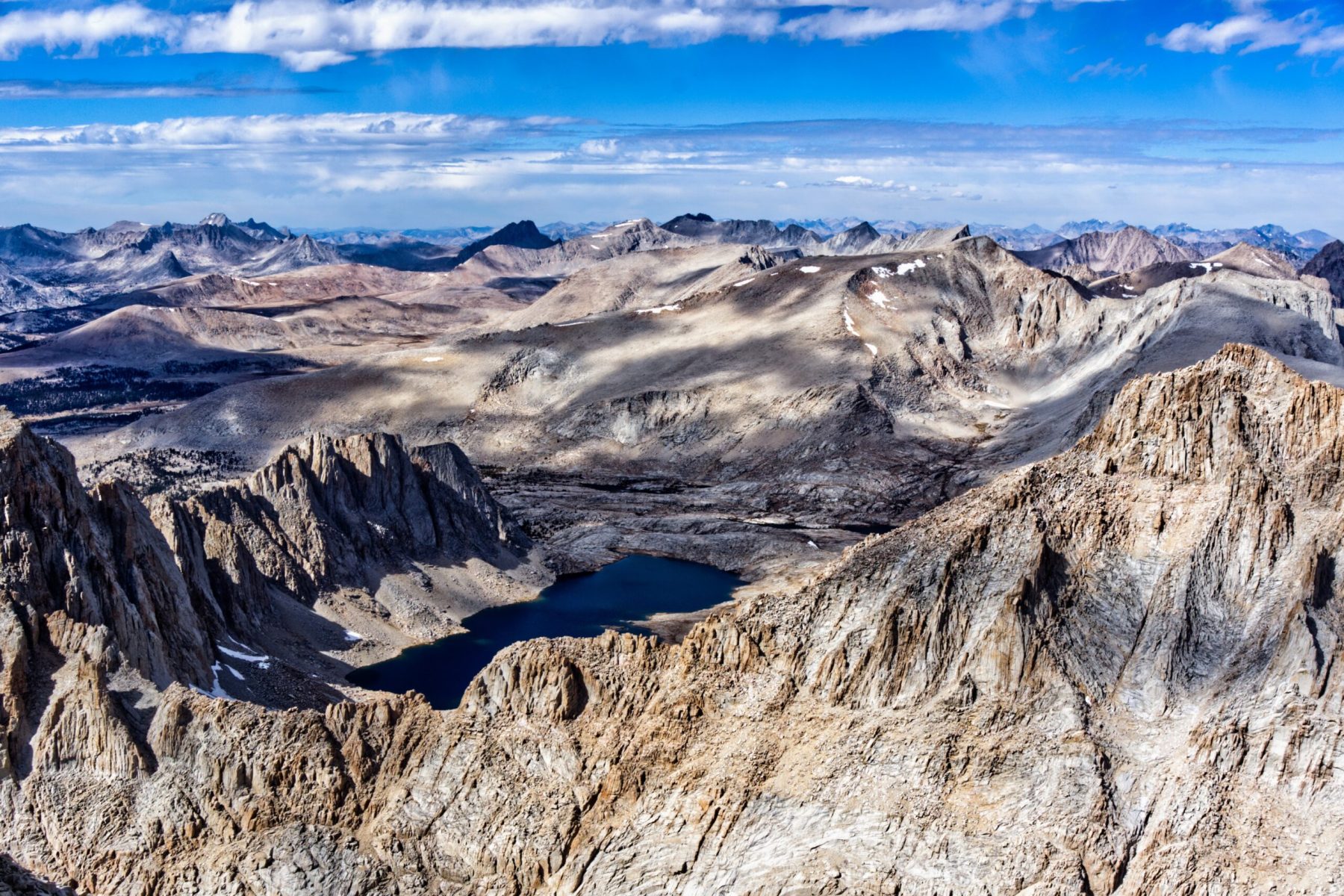
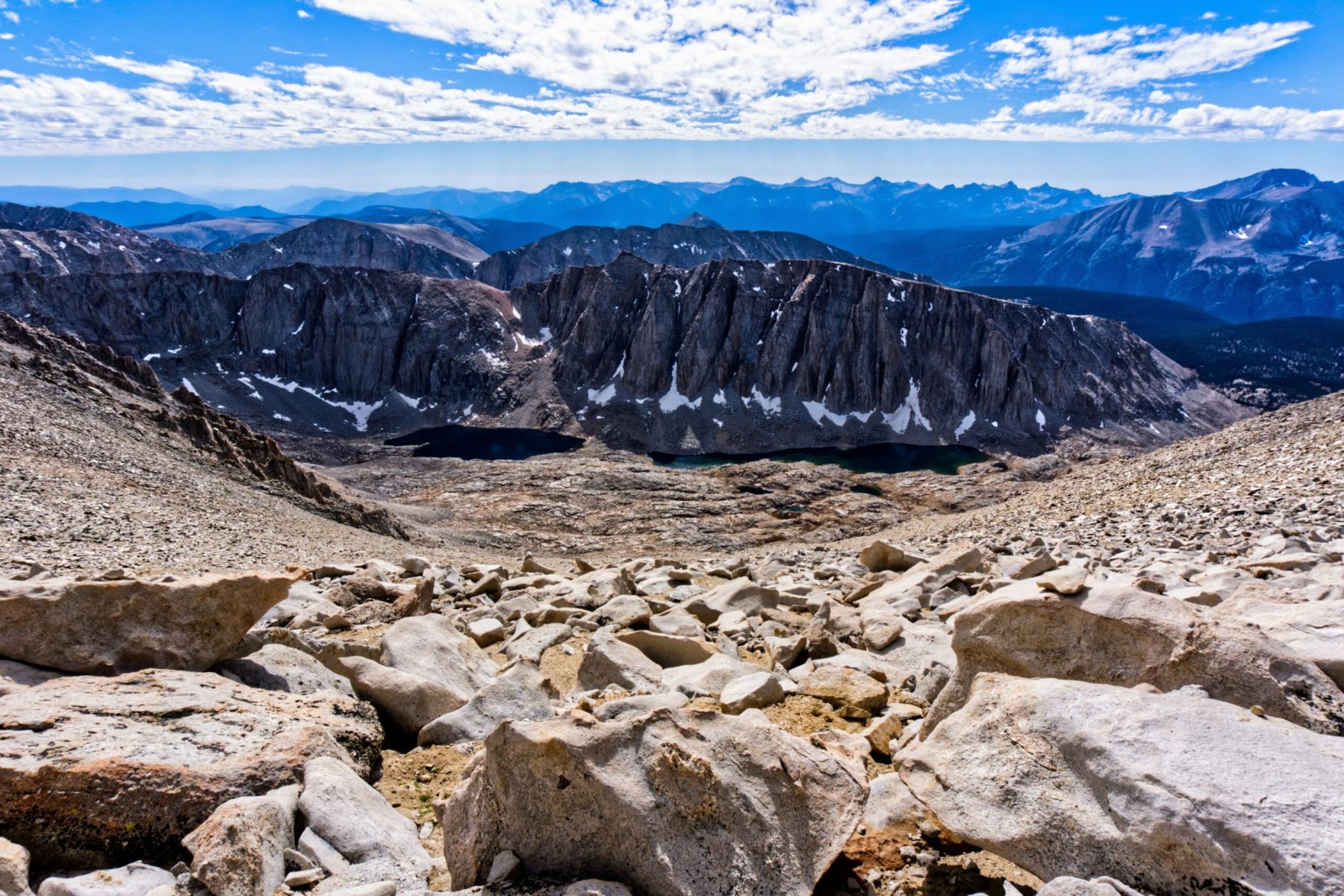
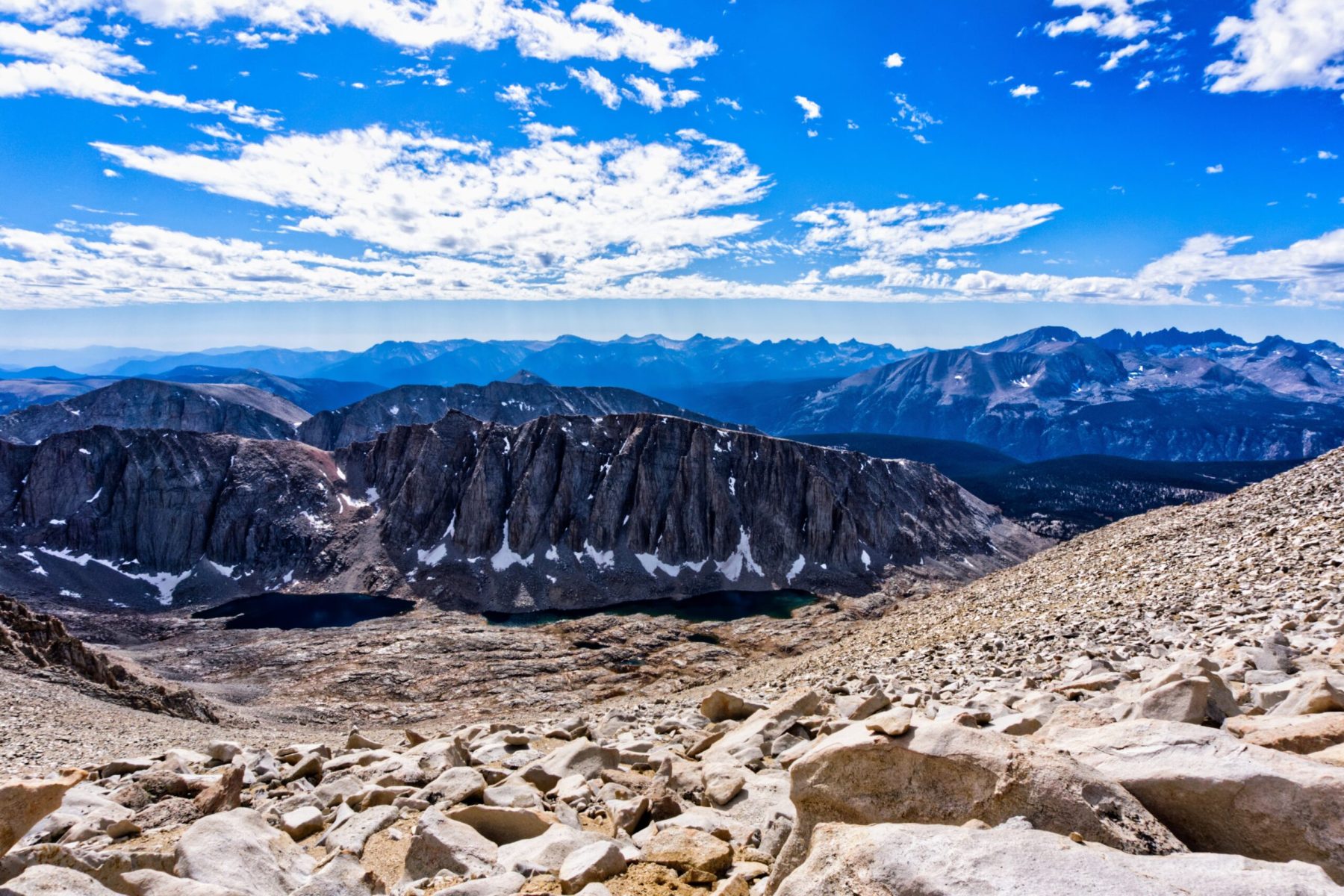
The vista unfolding before me was an overwhelming masterpiece of nature—a flawless 360-degree panorama. To the south, the desolate expanse of Death Valley and the tiny grid of Lone Pine city lay baked under the desert sky. The jagged peaks dropping away from Whitney’s flanks, cradling jewel-like glacial lakes, were terrifyingly beautiful. Turning to the north, the entire massive spine of the Sierra Nevada that I had bled and labored over stretched out to the horizon. In the far distance, I could just make out the faint ridge of Forester Pass, which I had crossed in a state of exhaustion just two days prior. I frantically snapped photos in every direction.
Before this trip, I used to wonder if I would burst into tears upon reaching this summit. Yet, standing here now, no tears came. My mind was incredibly still, wrapped in a profound calmness. The view from the roof of the world, suspended in the crisp, thin air, was ancient, divine, and deeply sacred. There were times on this journey when my physical condition worsened to the point where I would coldly simulate emergency evacuation routes in my head. But despite the doubt, I had done it. I had completely finished the trail.
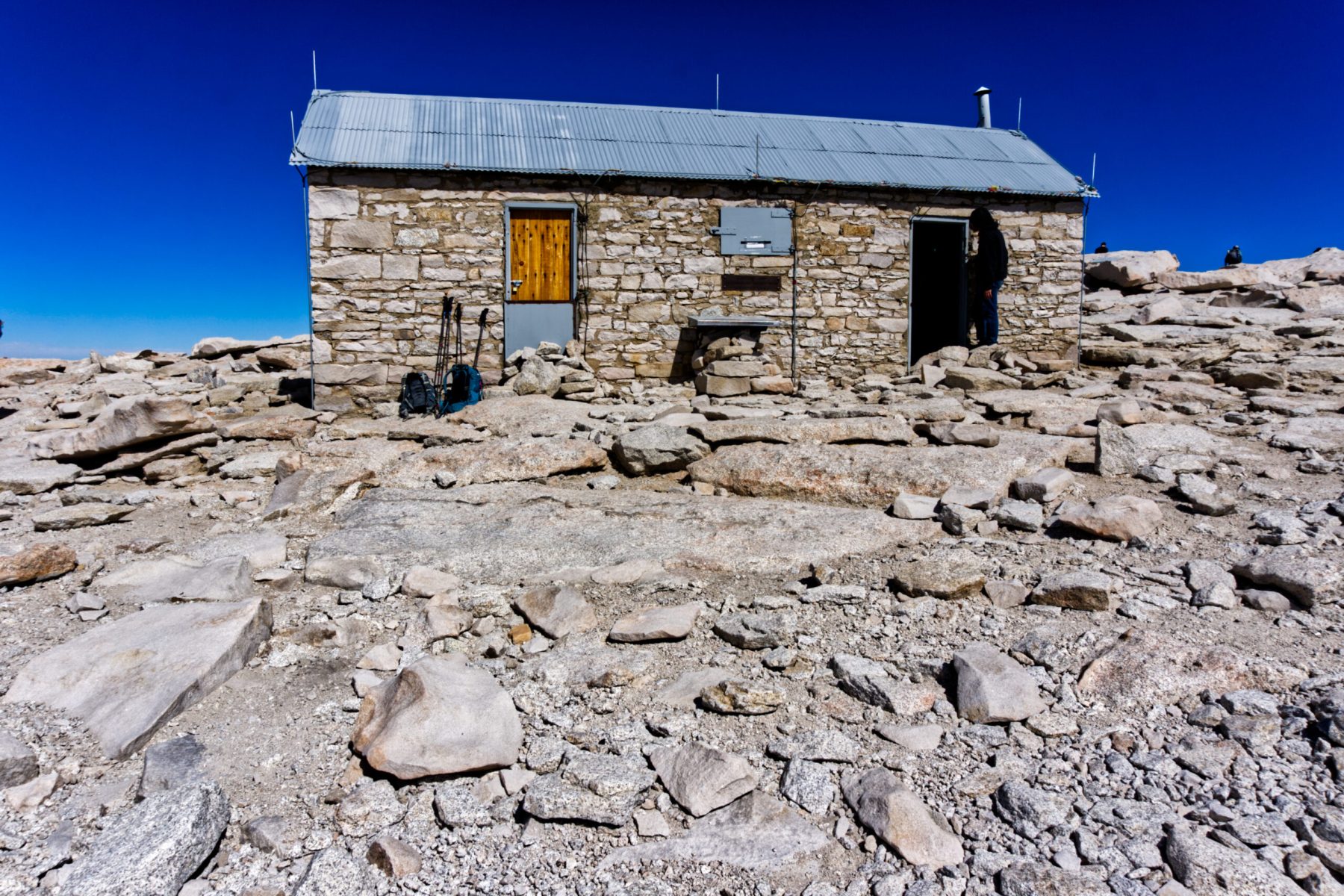
I searched around for the iconic wooden summit sign I had seen in so many photos to take a final commemorative picture, but it was nowhere to be found, so I settled for a photograph of the summit hut instead. Still, a massive, comforting wave of relief washed over me—relief that I had arrived safely, and that my thru-hike of the John Muir Trail was beautifully complete.
The sky was a piercing, crystal-clear blue. I felt profoundly grateful that Mount Whitney, the grand finale of my journey, was blessed with such perfect, clear weather.
Reflecting on the 214-Mile Journey
I descended quickly back to the junction and reunited with my heavy pack—my loyal companion. Standing there, I looked back at the trail and spoke a quiet word of farewell and deep gratitude to the JMT.
“This is where we truly part ways,” I thought, a sudden surge of profound emotion gripping my throat.
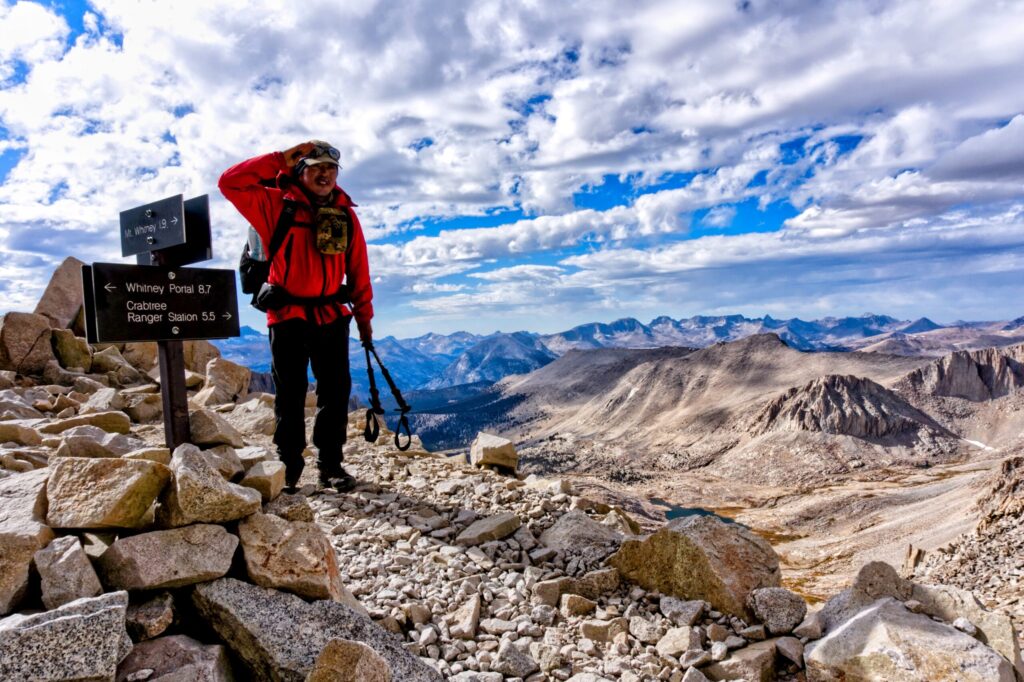
Starting from Yosemite Valley, punching through the Ansel Adams Wilderness, Kings Canyon, and Sequoia National Park—a grand total of 210.4 miles. As I strapped the heavy harness back onto my shoulders, it still felt entirely unbelievable that my own two feet had carried me across the map.
I turned down the Whitney Portal Trail to begin the march home. The switchbacks were remarkably steep, making me deeply respect the sheer grit of the hikers who attempt to tackle this peak as a single-day round trip. While I could have pushed all the way down to the trailhead today, my physical fatigue had finally caught up with me. I chose to listen to my body, pitching my tent at Trail Camp along the descent. I wanted one final night to sleep under the mountain stars, letting the reality of the journey digest. I decided to head down to the town of Lone Pine the following day.
There were plenty of campers at Trail Camp, but I couldn’t spot anyone who looked like a fellow JMT hiker, so I spent the evening quietly on my own without talking to anyone. On this final, quiet night in the mountains, I fell asleep, feeling a profound sense of pride in myself for walking every mile of the JMT.


コメント