- 1. Introduction: The Mystery of the “Coast” Hidden 1,000 Meters Above Sea Level
- 2. Surprising Origin: Why is a Deep Mountain Sanctuary Called a “Coast”?
- 3. A Historic Twist: The Local Guerilla Force That Saved the Takeda Legacy and Ieyasu’s Reconstruction
- 4. The Pinnacle of Woodcarving: The “Tatekawa School” Masterpieces Surpassing Shogunate Craftsmen
- 5. Souls Imbued in Stone: The Truth Behind Moriya Joji’s “Lodging Fee” Buddha Statues
- 6. Sacred Emptiness: The Lost “National Treasure” and the Ethics of “Refusing Tourism”
- 7. Conclusion: In Search of a Signpost of Silence
1. Introduction: The Mystery of the “Coast” Hidden 1,000 Meters Above Sea Level
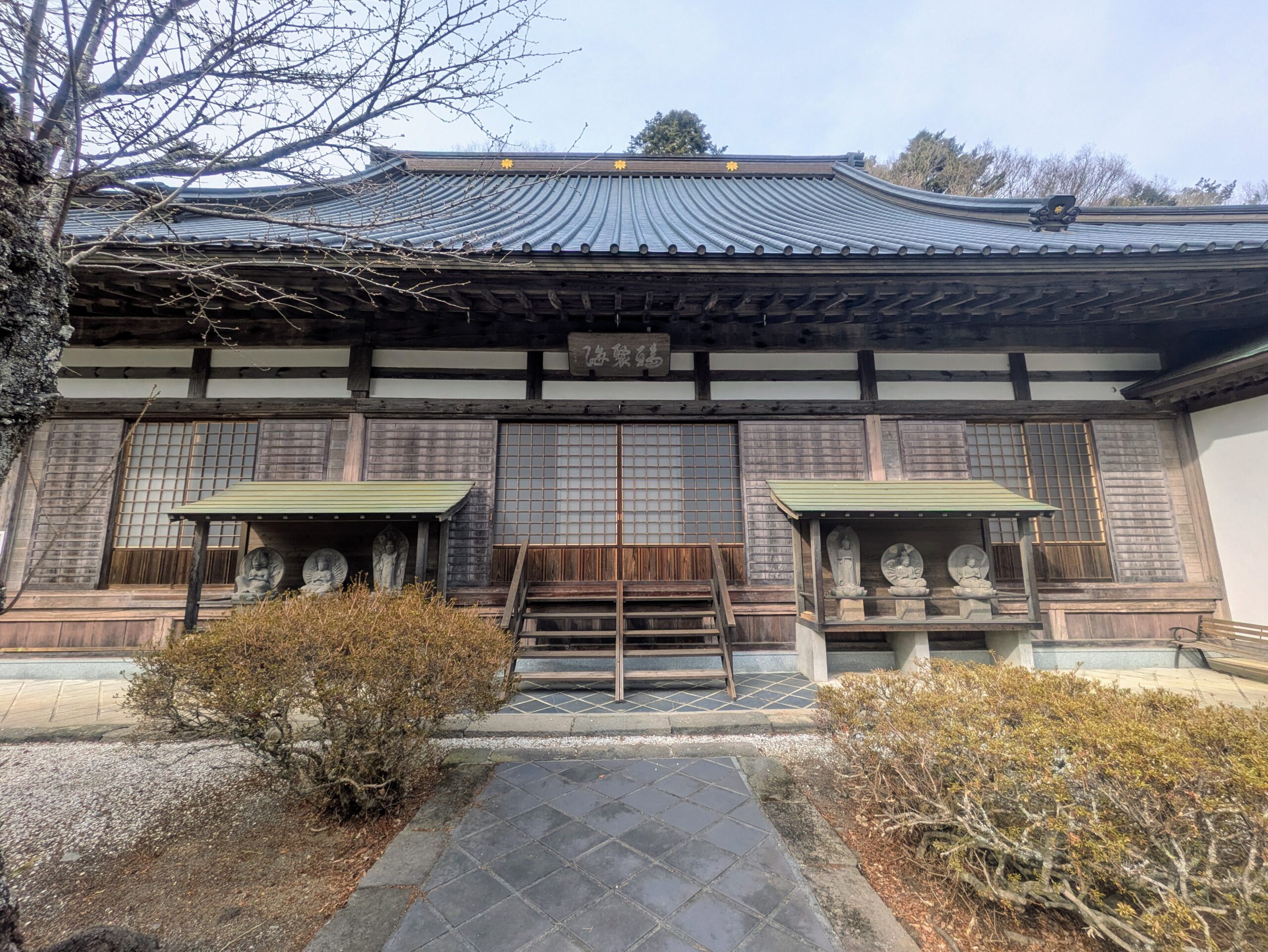
At the southern foot of Mount Yatsugatake in Hokuto City, Yamanashi Prefecture, a temple stands in profound silence, nestled deep within rugged mountains over 1,000 meters above sea level.
Surrounded on all sides by mountains and far from the sound of any ocean waves, this sanctuary in a landlocked prefecture bears a paradoxical name: Kaigan-ji, literally meaning “Coast Temple.”
Those who visit cannot help but feel the foreboding presence of a mysterious, hidden temple as a majestic complex suddenly appears amidst the dense forest, wrapped in an overwhelming stillness. Why was the word “coast” carved into these remote mountain depths? Hidden within is a cosmic view of faith passed down over 1,300 years and the prayers of people who survived the turbulent tides of history.
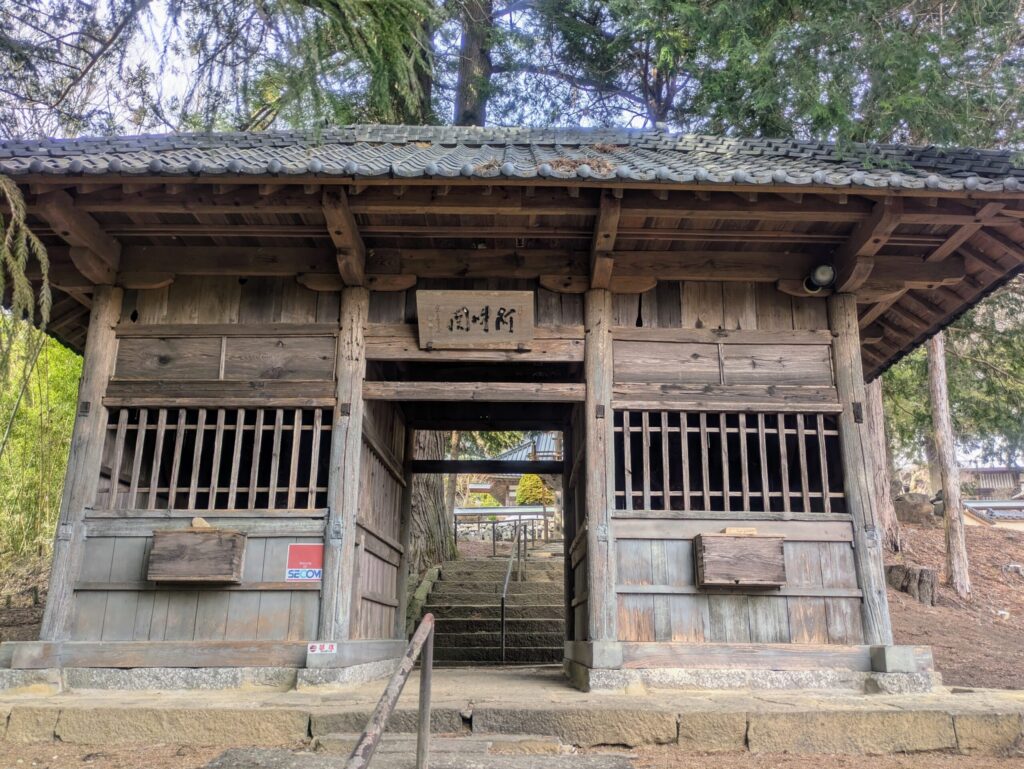
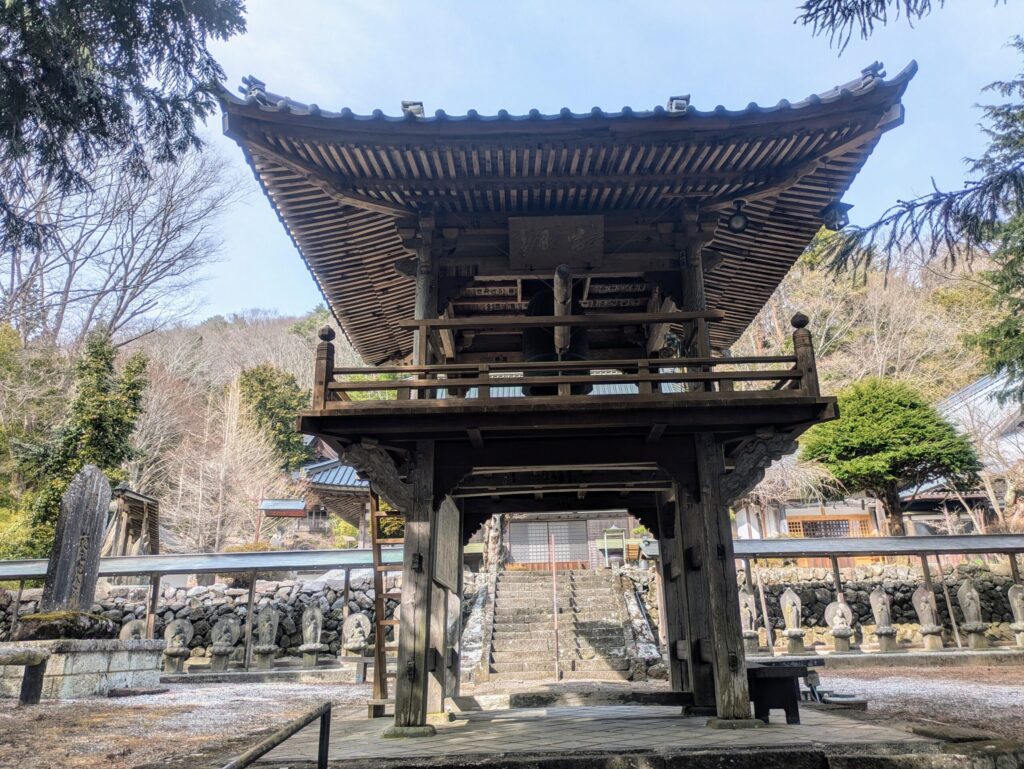
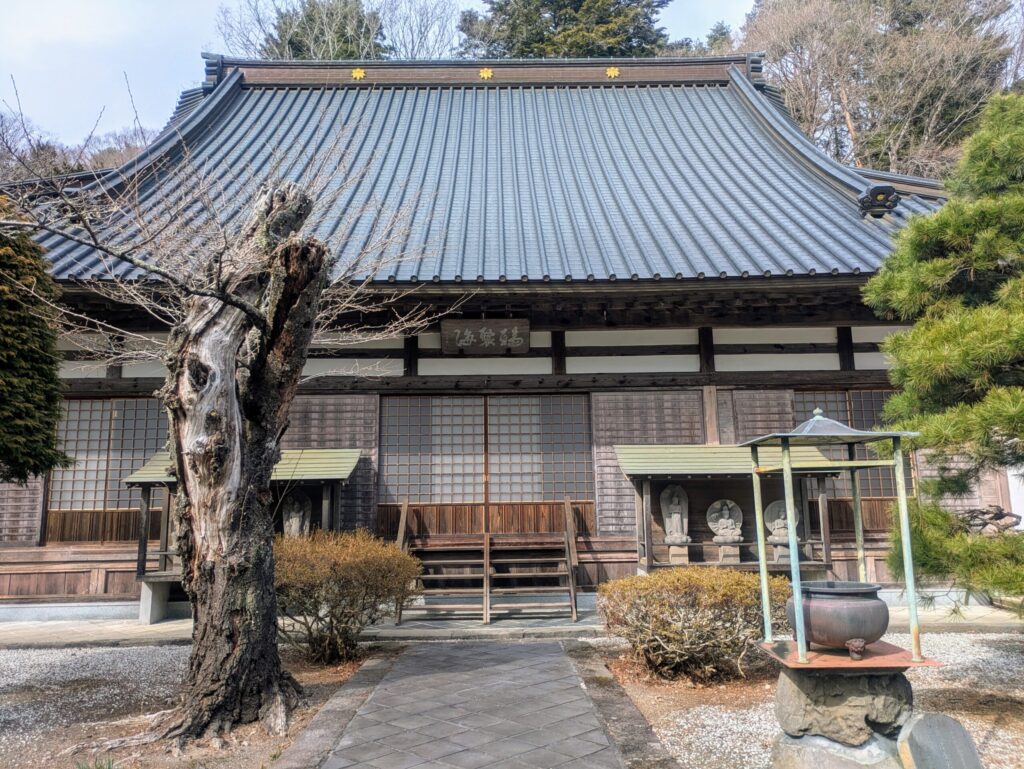
2. Surprising Origin: Why is a Deep Mountain Sanctuary Called a “Coast”?
The name “Kaigan” (Coast) goes beyond a simple geographical label; it is built upon layers of profound metaphors.
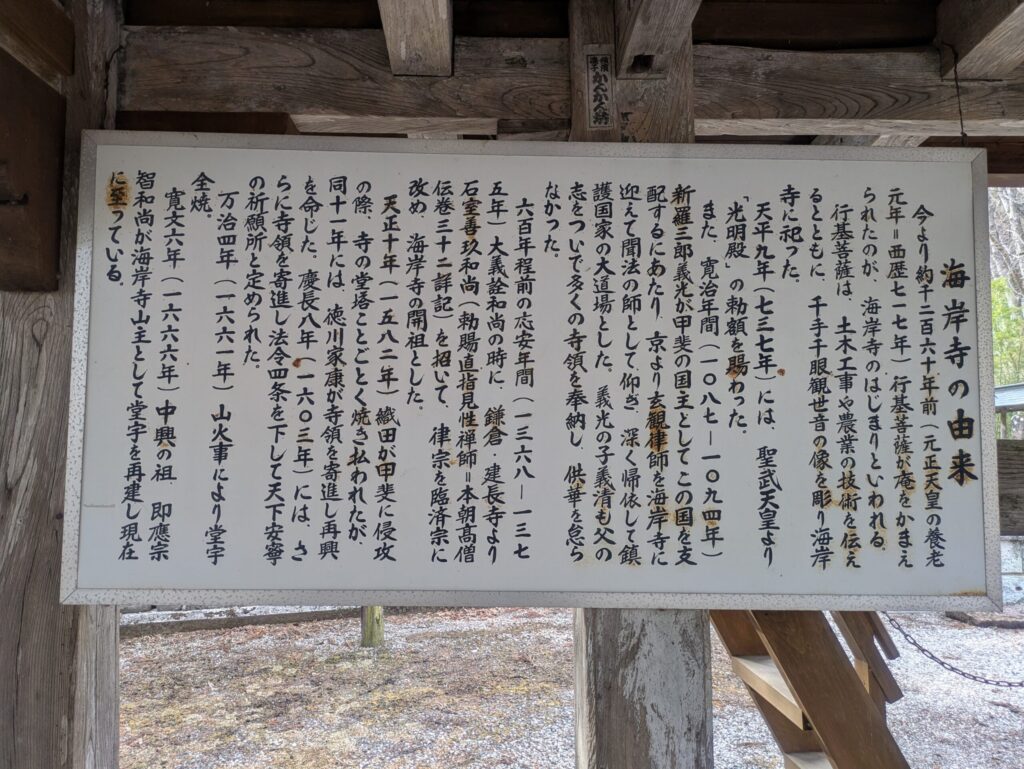
Buddhist Cosmology (Potalaka Pure Land)
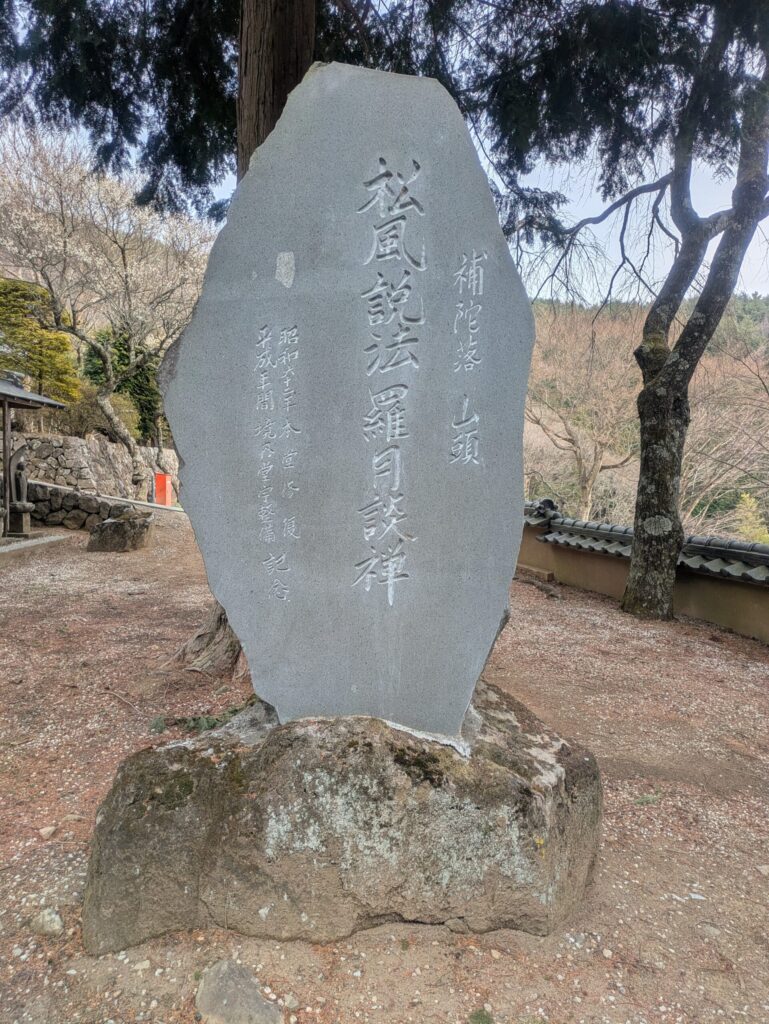
In the 68th chapter of the Avatamsaka Sutra (Shin-Kegon-kyo), Potalaka Mountain—the pure land of the Bodhisattva Avalokiteshvara (Kannon)—is described as an “isolated coastal mountain” floating in the southern sea. People of the time saw this rugged mountain, secluded from the secular world, as the Pure Land itself. The name perfectly embodies the teachings of this “isolated coastal mountain.”
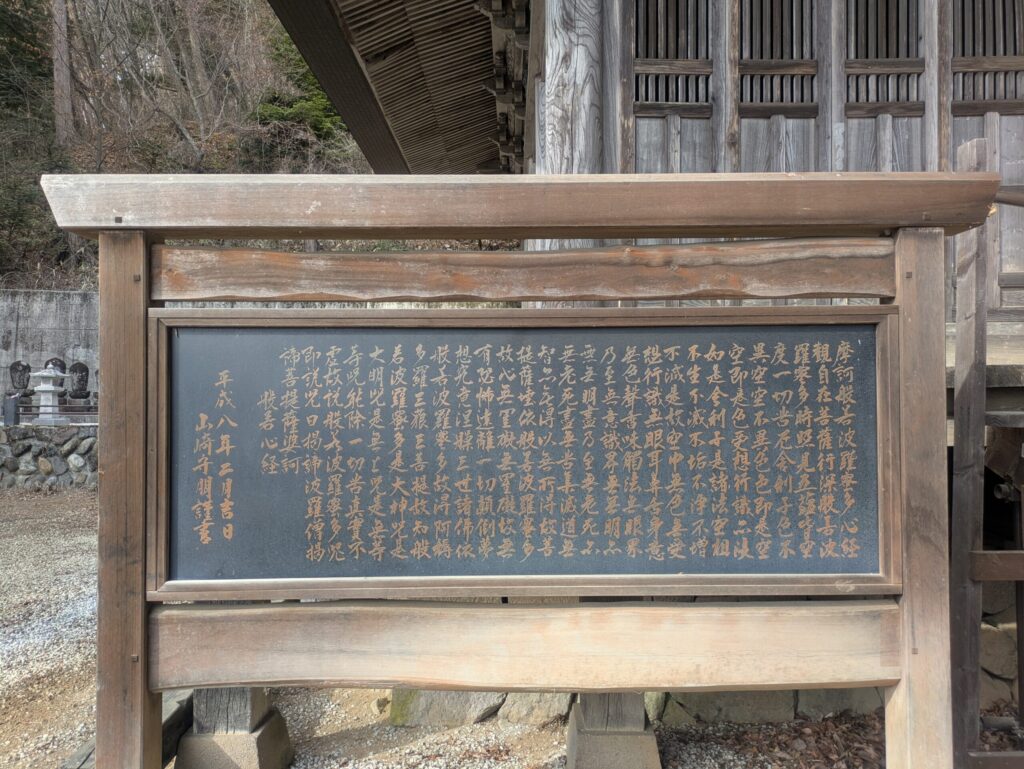
Note: As indicated by the temple’s sacred poem (Goeika), this was not merely a mountain temple, but the “shore of the Pure Land” where the prayers of the people ultimately arrived.
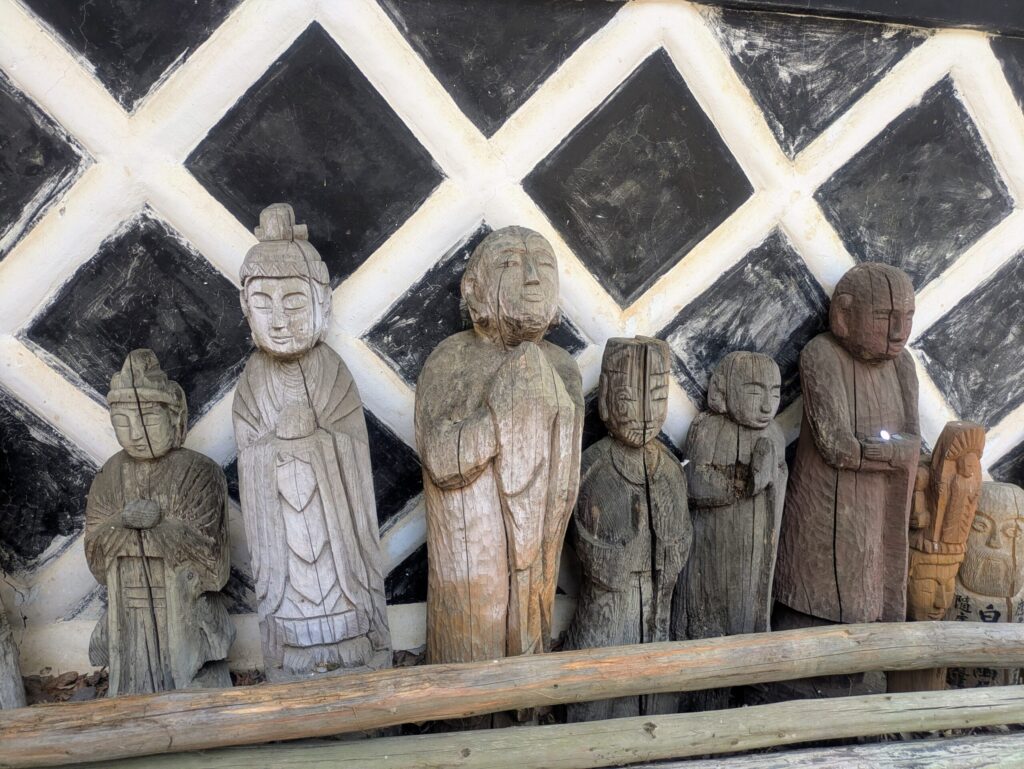
Aesthetic Interpretation and Geological Memory
There is also a geological folklore that the Kofu Basin was once a massive lake. When looking down at the misty basin from this high altitude, the sea of clouds (unkai) was envisioned as an actual ocean, leading to the beautiful interpretation that this spot was its coastline.
The Legend of the “Ungan-ji” Mix-up
A local folk tale suggests that an envoy from the capital mistook the name of a nearby cave temple, “Ungan-ji” (Cloud Shore Temple), for Kaigan-ji. Even this popular myth reflects the locals’ affection and their creative attempt to reconcile the contradiction between the geography and the name.
3. A Historic Twist: The Local Guerilla Force That Saved the Takeda Legacy and Ieyasu’s Reconstruction
The history of Kaigan-ji is deeply intertwined with the dramatic, tense events of the Sengoku (Warring States) period, specifically the downfall of the Takeda clan and the subsequent rise of Tokugawa Ieyasu.
- Reduced to Ashes by the Oda Army In 1582, during Oda Nobunaga’s conquest of Koshu, Kaigan-ji—which had close ties to the Takeda clan—was burned to the ground, losing all of its main temple buildings.
- The Secret Maneuvers of the Tsugane-shu During the Tensho-Mingo Conflict over the vacant Takeda territories, it was a local warrior band known as the Tsugane-shu that saved Tokugawa Ieyasu. Utilizing the rugged terrain, they waged a brilliant guerrilla war that led the Tokugawa forces to victory.
- Reconstruction by Ieyasu In recognition of the Tsugane-shu’s loyal service, Ieyasu ordered the reconstruction of Kaigan-ji, which served as their spiritual pillar.
- Inheritance of the Soul This reconstruction was more than just a political reward. By recognizing the pride of the surviving vassals who carried the soul of the dying Takeda clan and designating the temple as a “Sanctuary for National Peace,” Ieyasu laid the foundation for a new era.
4. The Pinnacle of Woodcarving: The “Tatekawa School” Masterpieces Surpassing Shogunate Craftsmen
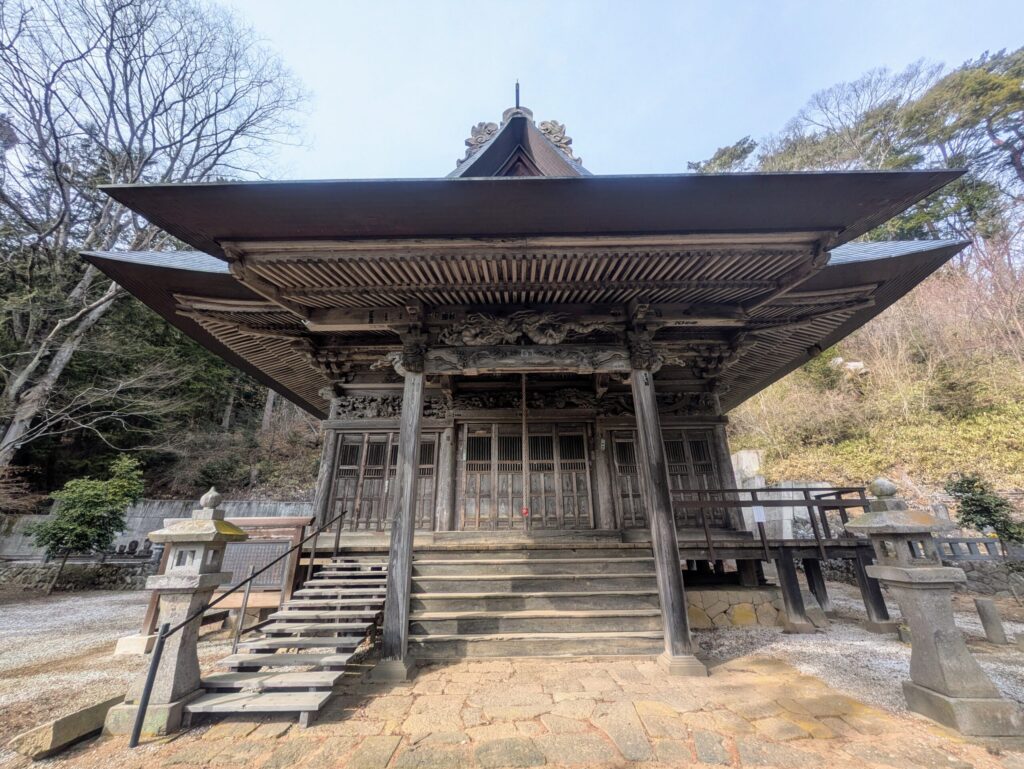
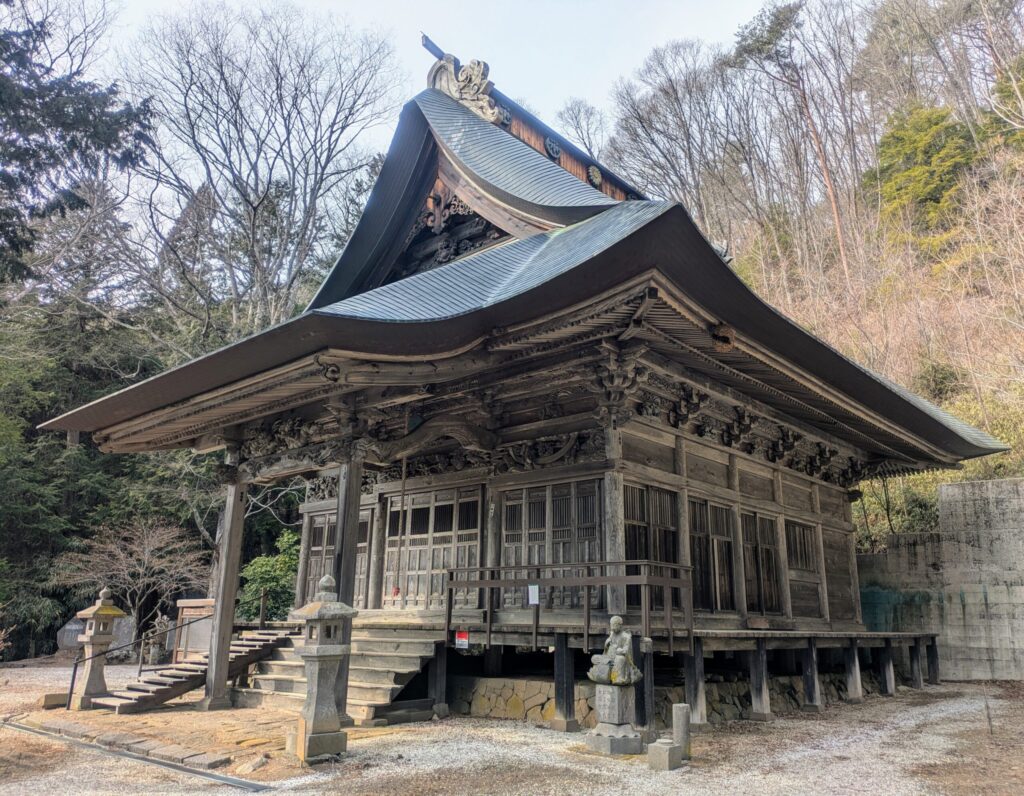
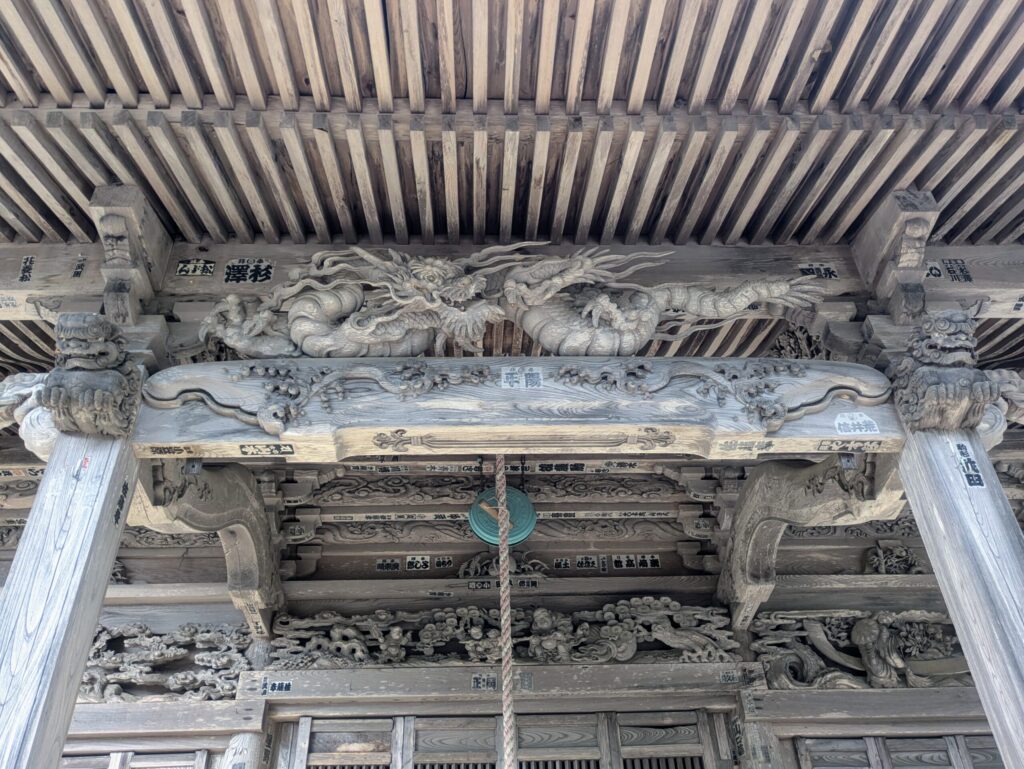
The sculptures adorning the Kannon-do hall were crafted by Tatekawa Washiro Tomimasa (the Second), a legendary master from Suwa, Shinshu. His work is hailed as the highest pinnacle of late-Edo period sculpture.
Among them, the “Quails in the Ears of Millet” (Awaho ni Uzura) on the front of the main building is a masterpiece of realism; the feathers of the quails seem ready to rustle, and the grains of millet bend realistically under their own weight. It is a crystallization of skill that surpassed even the official carpenters hired by the Shogunate.
Of particular note are the figures of the Rikishin (Wrathful Deities), who bear the weight of the building with pulsing, dynamic muscles. Injected into the “static” structure of architecture is a “dynamic pathos” that visualizes religious energy. Here lies the breathtaking, lifelike beauty unique to the Tatekawa school.
5. Souls Imbued in Stone: The Truth Behind Moriya Joji’s “Lodging Fee” Buddha Statues
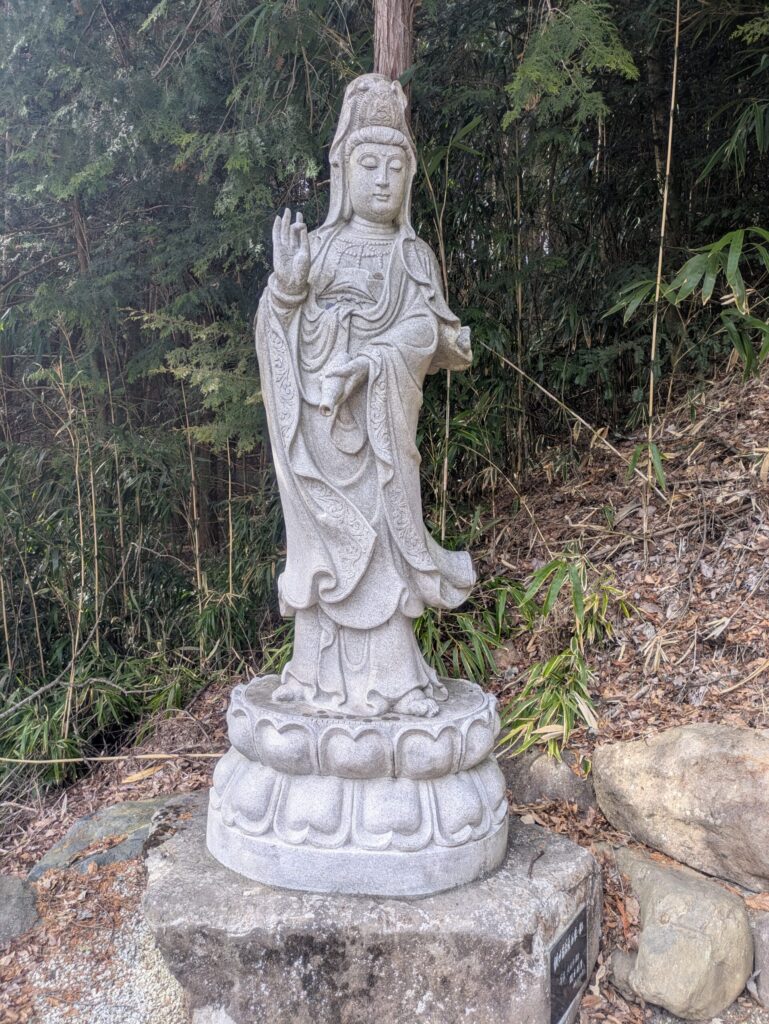
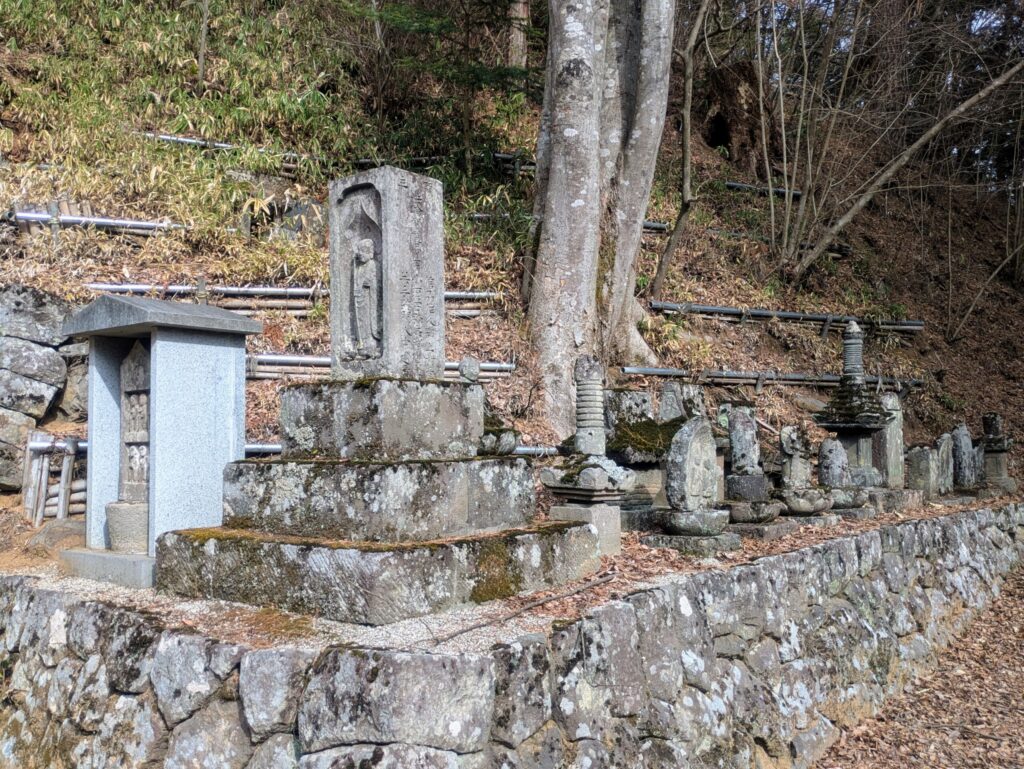
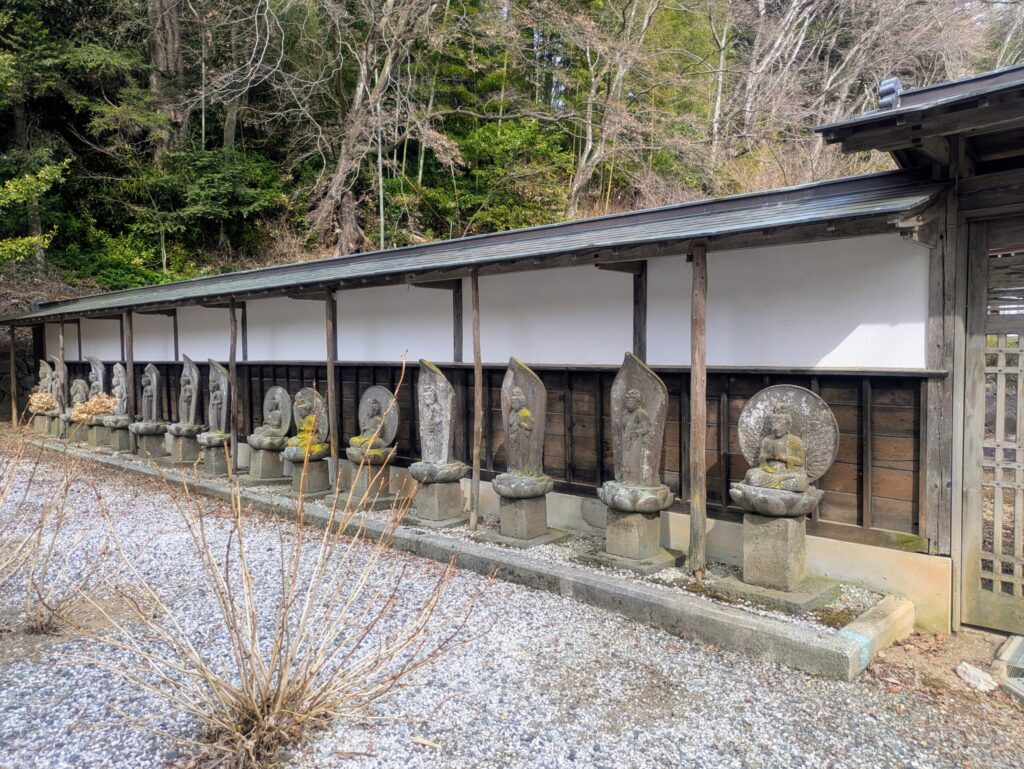
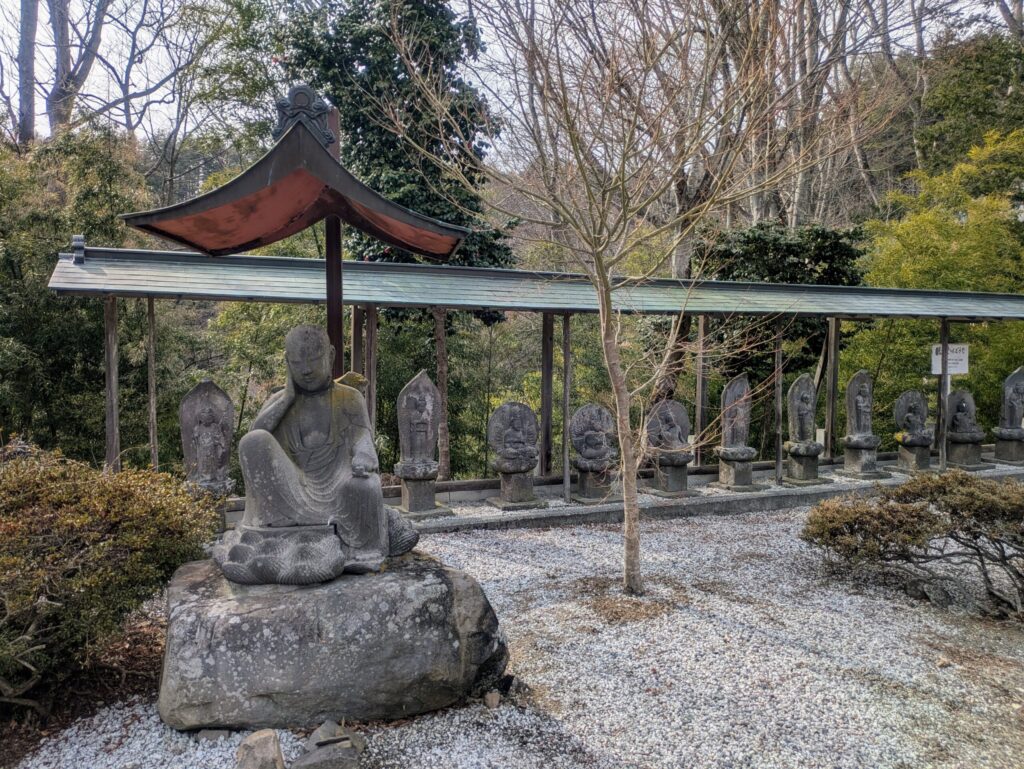
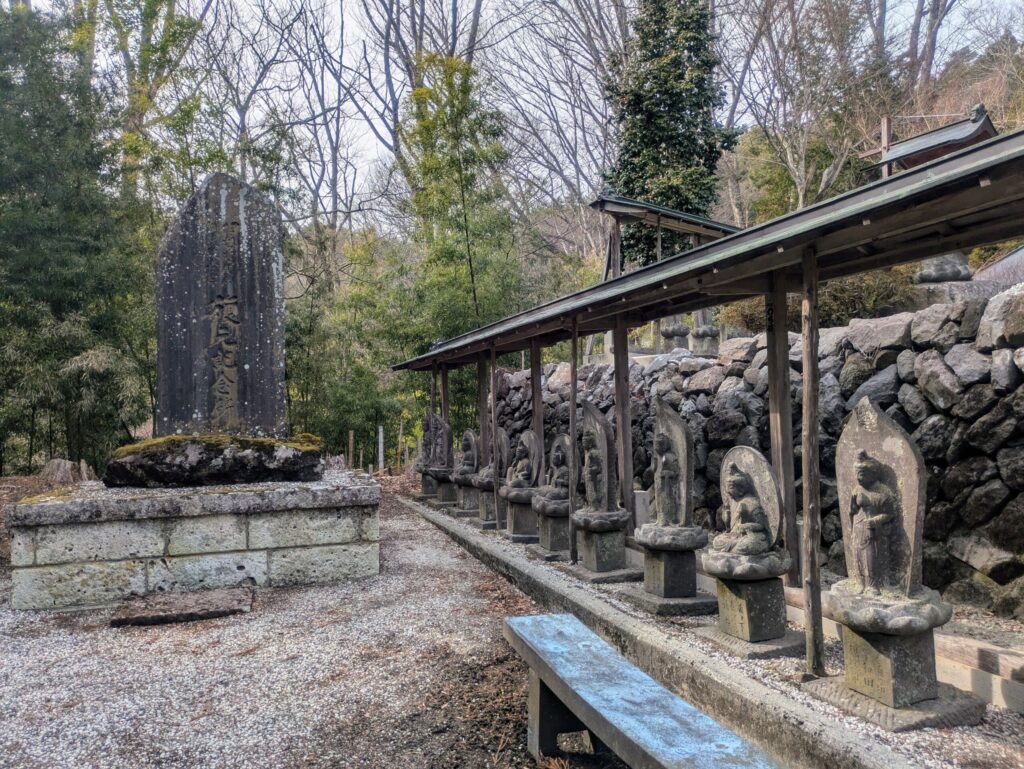
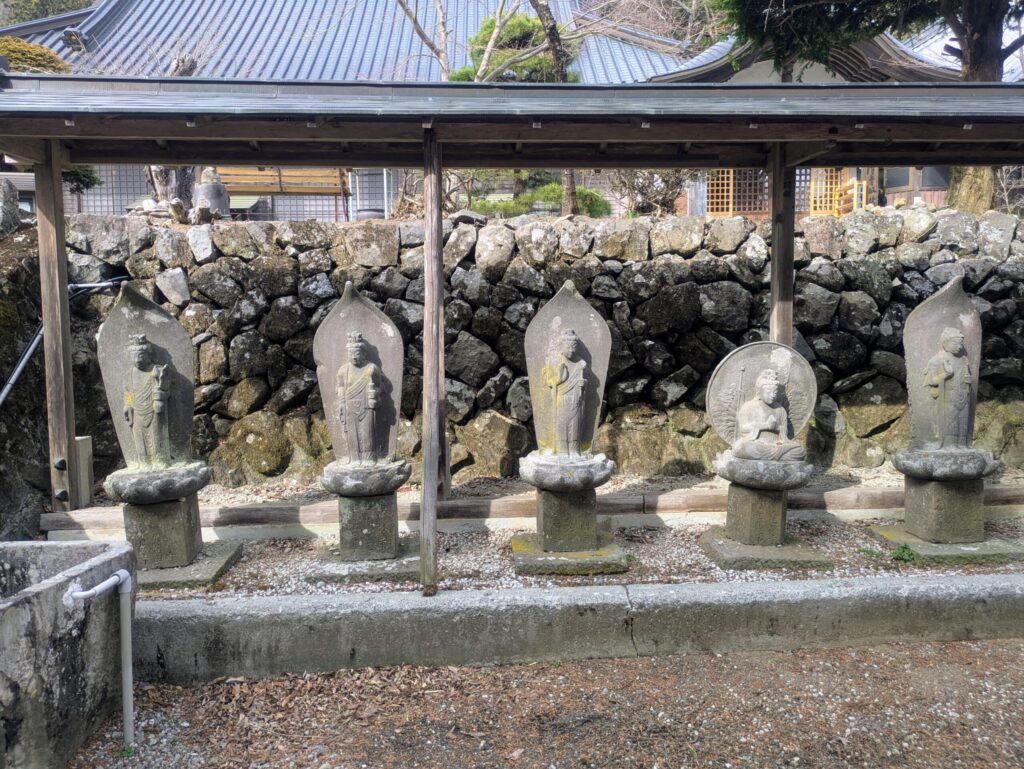
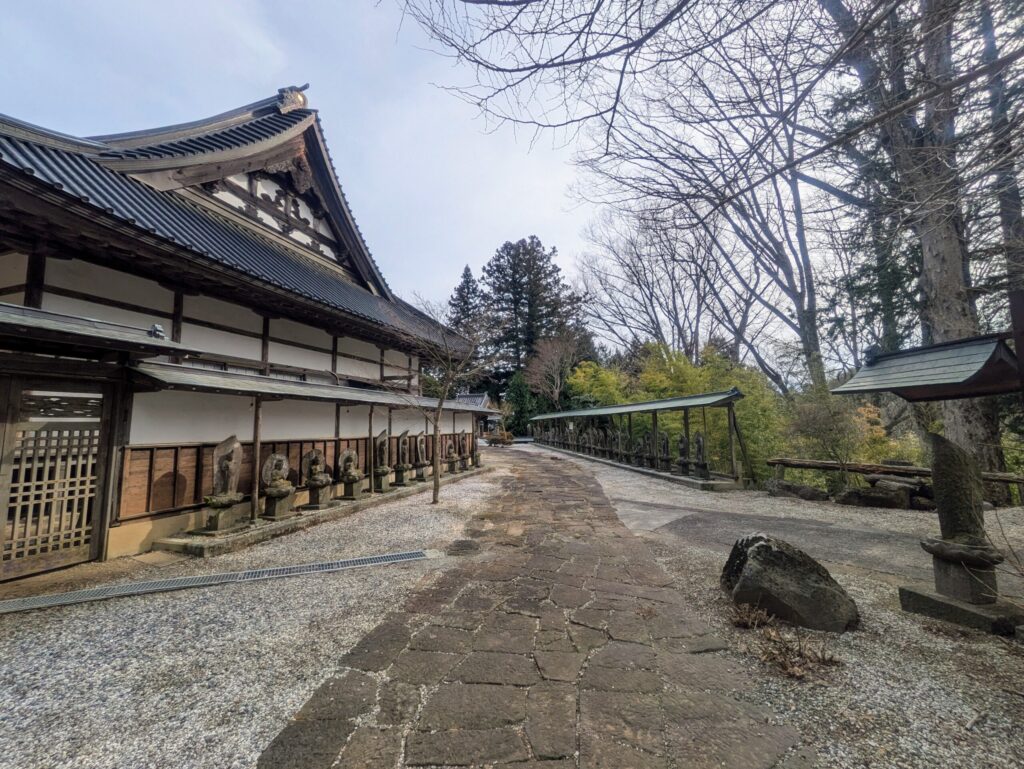
The “Hyakutai Kannon” (One Hundred Kannon Statues), a collection of over 100 stone Buddhas lining the approach to the temple, was carved over a span of ten years by the renowned Takato stonemason, Moriya Joji.
- Invitation by Priest Tokei The chief priest at the time, Tokei, invited Joji—the finest stone sculptor of his era—so that devotees could experience a simulated pilgrimage within the temple grounds.
- The Legend of the Lodging Fee vs. The Truth While an endearing local legend claims Joji carved these statues “in lieu of paying for his room and board,” the historical truth reveals a grand cultural patronage funded by the local Nanushi (village headmen) class. These wealthy farmers supported the leading artist of the day to pray for their ancestors and express their devotion.
- From a Smile to Deep Meditation Joji’s artistic style evolved from innocent, gentle smiles in his early work to a state of “profound meditation” after his spiritual training at Kaigan-ji. In particular, the noble and serene countenance of the Kharadiya-giri (Kyara-da-san) Jizou Bosatsu testifies to the spiritual purification Joji achieved, finding the Buddha hidden deep within the stone.
6. Sacred Emptiness: The Lost “National Treasure” and the Ethics of “Refusing Tourism”
The true heart of this article lies in the “loss” that Kaigan-ji bears, and its “resolve” to protect what remains.
In 1931, the temple suffered its greatest tragedy. The Wooden Standing Statue of the Thousand-Armed Kannon, a designated former National Treasure (equivalent to a current Important Cultural Property) that had been protected for a millennium since the temple’s founding in the Yoro era, was stolen.
The scar of this “sacred absence”—the loss of the very soul of the local community—still lingers as a heavy silence in the depths of the Kannon-do hall. Today, one can only imagine its appearance by looking to its “twin statue” at a sister Kaigan-ji temple in Nagano Prefecture, which was said to have been carved as a pair by the monk Gyoki.
Following this tragedy, Kaigan-ji turned its back on easy commercialism and chose the path of strict silence. At the entrance of the grounds, the following warning is posted:
“This temple is not open for tourism. Kaigan-ji is a place to quietly reflect on how one should live their life. Please worship quietly within the temple grounds.”
This is not a tourist destination to be consumed. By maintaining its silence, it serves as an introspective sanctuary, prompting visitors to ask themselves: “How am I living my life?”
7. Conclusion: In Search of a Signpost of Silence
Kaigan-ji is a crystallization of prayer that transcends time and space. It is precisely because of the “absence” of the lost main deity that the deep meditation of the remaining stone Buddhas and the dynamic energy of the Rikishin shine all the more brightly, speaking to our hearts.
In today’s modern society, filled with noise, we constantly chase efficiency and convenience. In an age overflowing with information where it is easy to lose oneself, the silence held by this “coast” deep in the mountains feels profoundly necessary.
Face the moss-covered stone Buddhas and listen only to the sound of your own footsteps. In that stillness, the “signpost for how to live” meant just for you will surely be quietly revealed.


コメント