Happy New Year, and welcome to 2026.
Where were you, and what kind of air were you breathing, as you stepped into this first moment of a new beginning?
As for me, I want this year to be a deeper kind of pilgrimage: a year of connecting more intimately than ever with both the truth inside myself and the energy of the earth beneath my feet.
For this first post of the year, I’d like to use a place many people visit around this season, the Shinto shrine, as a doorway into something a little deeper, and very important to me: what I’ve come to trust through mountain walking and through life itself about Japan’s kami and the spirit of the land.
I do believe in the divine. But not as something limited, as if it were sitting neatly on a household altar. My sense of faith is far closer to a primitive form of animism. The earth itself is spirit, and the mountain itself is god. And when I see it that way, I can’t help noticing a discomfort in the modern system of “shrines” managed under today’s Jinja Honchō establishment. Why did we stop praying directly to the land, and begin praying to human history instead?
In this article, I want to open that door just a little: the door to a “sealed history” that Shinto has kept hidden.
Introduction: At the Crossroads of Mountains and Belief
When we stand on a summit and press down that final step, what flows into our lungs is a kind of air that is unmistakably different from the lowlands, air with a heavier density.
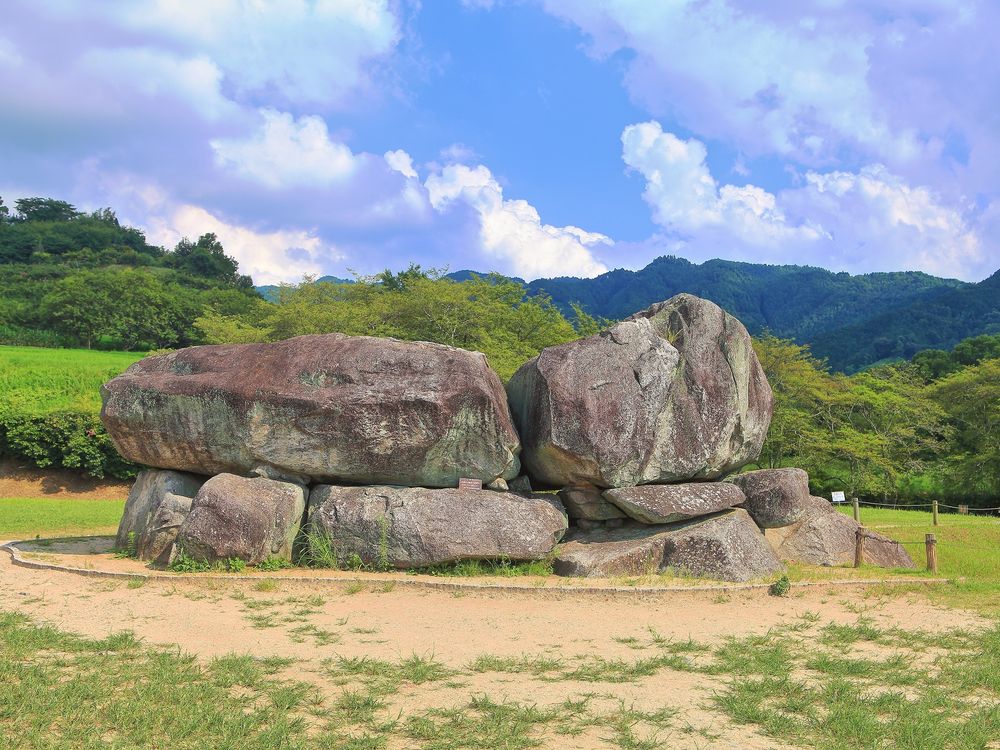
For more than twenty years, I’ve kept walking: the Sierra Nevada and the Rocky Mountains in the United States, and since returning to Japan, the mountains close to home. The sound of wind scraping along bare rock. The silence of massive boulders that have sat there for thousands of years. The endless horizon unfurling from the top. When I sit alone in stillness in places like that, there are moments when I feel an overwhelming energy that reaches beyond reason, something like the spiritual breath the Earth itself gives off.
And what I’m sensing in those moments is never a “story” invented by humans. It is simply there: the pulse of the Earth as a vast living being.
A Discomfort with the Tradition of Hatsumōde
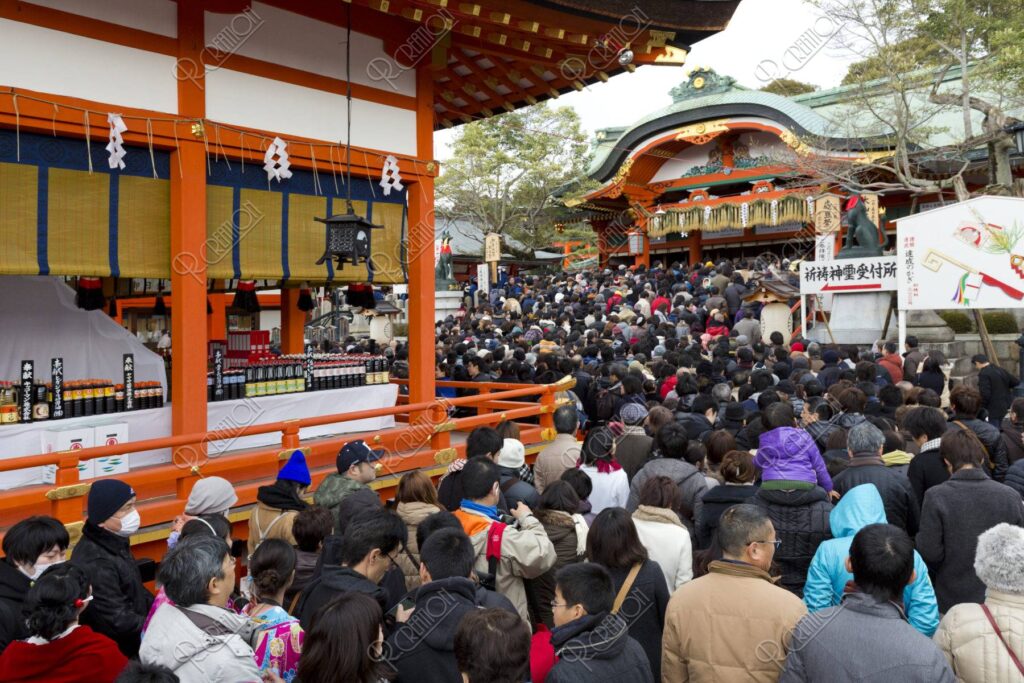
Now the streets are welcoming the New Year, and many people are making their way to shrines across the country for hatsumōde, the first shrine visit of the year. Dressed in bright kimono, standing in line, tossing coins into the offering box, folding hands in prayer for blessings, it is a beautiful scene rooted in Japan’s old traditions. And yet, I can’t quite shake a certain discomfort.
The grand tiled roofs of famous shrines, the vermilion gates, and the air of authority that hangs over the grounds. What exists there feels somehow different from the wild yet pure sense of release I feel on a mountain summit, that raw openness of the earth. If anything, what lingers there instead feels far more “human, all too human”, dense in the air.
As a Lone Seeker
I don’t belong to any religious organization. I have no intention of promoting a particular doctrine, and no desire to deny anyone else’s faith.
I simply want to be one person who walks mountains and wilderness, a seeker in pursuit of truth.
After spending three decades overseas, and now stepping once again onto Japanese soil, I want to look anew at the forms that faith takes in this country, with a fresh and unclouded gaze. What is it, really, that we call “god” and bow to? And might there be something else, something truly worthy of reverence, that has been sealed away deep within this archipelago?
Today, I want to share, honestly and unapologetically, my own impressions, shaped by bias and intuition, about something I arrived at through the long road of hiking, a view that may seem unusual, yet feels close to certainty for me: the spirit of shrines and the spirit of the Earth.
Shrines as Places that Enshrine Human Spirits: A History of Politics and Propaganda
When you pass through a shrine’s torii gate and stand before the worship hall, what kind of “presence” do you feel there?
Many people assume that an all-powerful deity resides within, or something beyond human understanding, like a creator of the universe. But if you carefully unravel the threads of history, and sharpen your own spiritual senses, you eventually run into one stark, unflinching fact.
It is this: in many of Japan’s most renowned shrines, what is enshrined is not some great spirit that governs the Earth, but rather human beings, “human spirits”, those who once lived on this ground.
Hero Worship and Symbols of Power
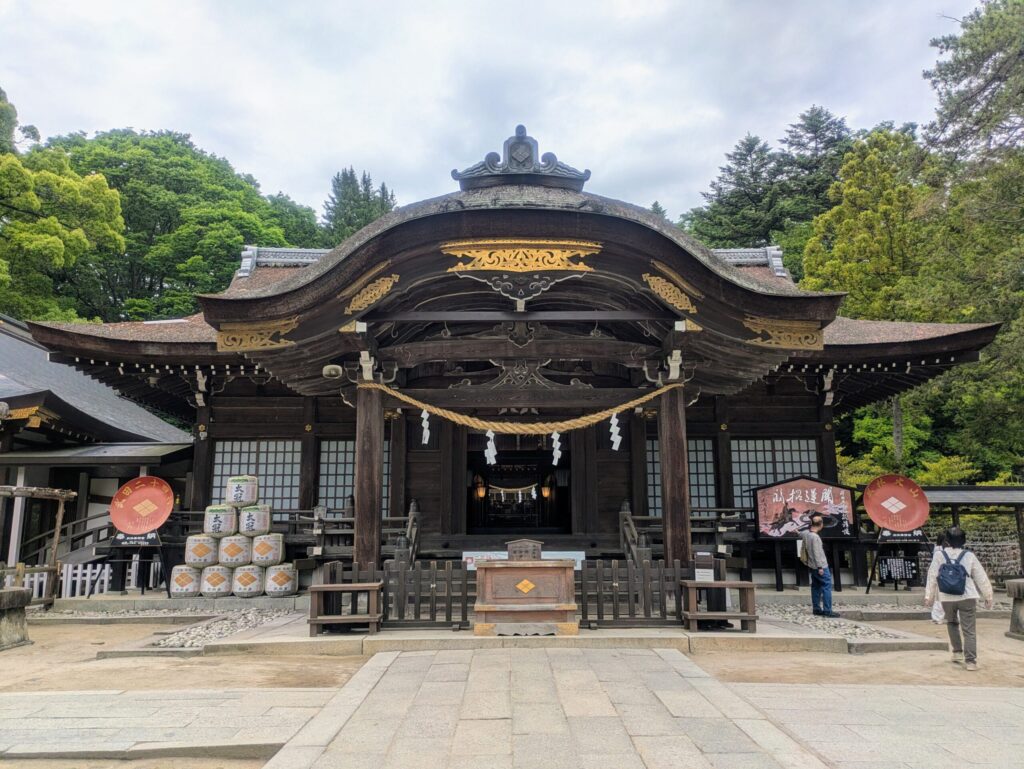
Let me give a couple of examples. Here in Yamanashi, where I now live, there is Takeda Shrine. And there is Nikkō Tōshō-gū, famous for its lavish and dazzling ornamentation. Needless to say, these are places that enshrine figures regarded as historical heroes: Lord Takeda Shingen and Lord Tokugawa Ieyasu.
To be clear, I’m not arguing against honoring great predecessors or passing their achievements down to future generations. What I want to consider calmly, however, is the purpose for which these sites were built. Shrines like these were created for deeply political reasons. They also functioned, quite strongly, as instruments designed to assert a clan’s legitimacy, gather the people’s loyalty, and stabilize rule.
In that sense, they may be less “faith in the gods” than a kind of reverence, even fear, toward the powers of the age, packaged and presented in the form of religion.
Shrines as Political Propaganda
Perhaps the clearest example is Yasukuni Shrine, established in the Meiji era.
When you look at history from a broader view, it becomes obvious how closely this shrine has been intertwined with political propaganda. Those who gave their lives for the state are enshrined as “heroic spirits,” and the national consciousness is gathered and unified in a single place. This is less a matter of pure spiritual seeking, and more an extraordinarily powerful ideological tool for running a nation.
The atmosphere that hangs over such shrines stands at the opposite pole from the clear, unbound energy I feel on mountain summits, that transparent force untouched by anything. What accumulates there instead is something heavy, and at times exclusionary: a dense concentration of human thought, intent, and collective fixation.
Do We Worship “Humans,” or Do We Worship the Earth?
In my own spiritual understanding, it isn’t that the spirit of the Earth, the divine, is absent from these shrines. Rather, it often feels as if that presence has been confined inside human-made “boxes” like worship halls and doctrines, or veiled by a later overlay, a filter of “human spirits,” that obscures what is essential.
While many worshippers bow to historical figures and political narratives as “gods,” the existence beneath their very feet, the land itself, holding an overwhelming power that nurtures life, is quietly forgotten…
When I noticed this substitution, hidden behind the system of the shrine, I became certain of something: the true object of my prayer is both astonishingly simple and unimaginably vast.
It is the spirit of the Earth itself, a presence with no particular name, and one that no religious organization can ever own.
The Erased Animism of the Jōmon and the Rise of the Yamato Court
We tend to accept, without question, the form of shrine-based worship as “Japanese tradition.” And yet, if you focus your gaze beyond that thick veil, another spiritual landscape begins to rise into view, one that once covered this entire archipelago.
It is the world of primitive animism that flowed unbroken from the Jōmon era, before the emergence of the Yamato Court, formed by people who arrived from the Asian continent.
“Major Shrines” as a System of Governance
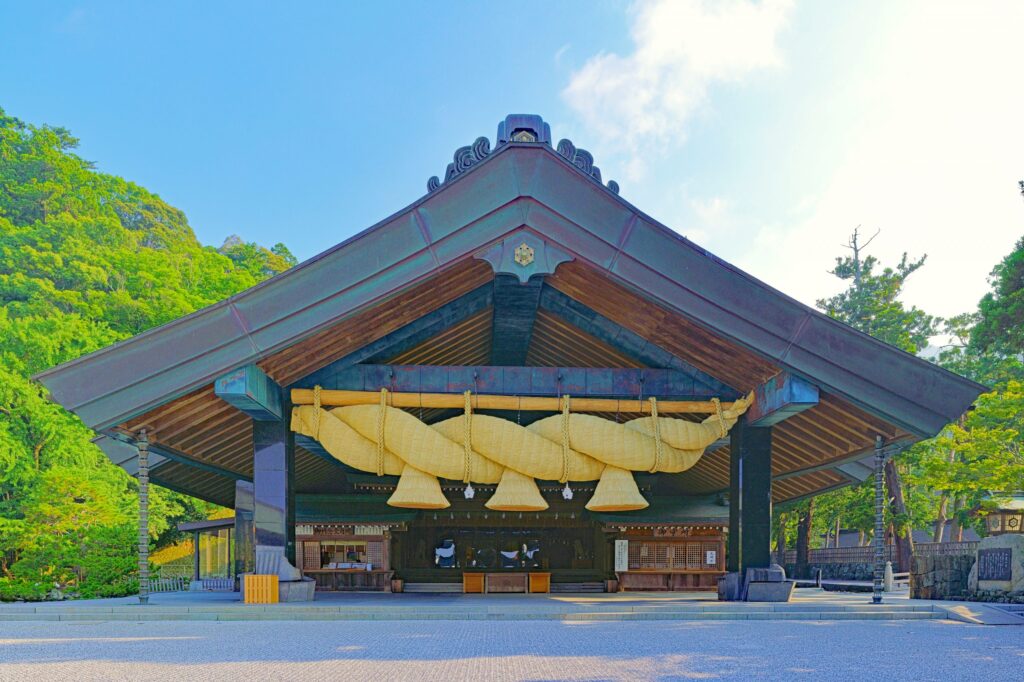
Ise Jingū and Izumo Taisha are often regarded as among Japan’s foremost sacred sites. But it is also possible to see the major grand shrines across the country, including these, as something else: a system of governance developed as the Yamato Court, bringing continental culture and statecraft with them, worked to establish the foundations of their power.
They needed to absorb what people feared, revered, and could not see, the realm of invisible forces, into the architecture of rule. So they built imposing worship halls, set down elaborate rituals, and reorganized the gods into carefully arranged genealogies.
In other words, the Shinto framework that eventually leads to today’s Jinja Honchō may be, in essence, a relatively “newer” form that took shape only after continental concepts of governance were introduced, even if “newer” still means more than a thousand years.
The Faith in “Earth’s Spirit” That Was Driven Out
As the Yamato Court’s unification of Japan advanced, the animistic faith that had been rooted in this land long before seems to have been pushed out, quietly, yet thoroughly.
For the people of the Jōmon era, the divine was not something that lived inside a worship hall. It was the mountain itself, the raging river, or perhaps the very ki that dwells deep within a life-giving forest. They lived as part of the Earth as a vast living being, touching its spirituality directly.
But for newly arrived rulers, such “raw gods of nature”, untamed and beyond anyone’s control, must have been difficult to manage. That may be why the gods were brought down from the mountains into buildings, given names, assigned ranks, and gradually transformed into “state gods” that could be organized and administered.
The “Jōmon Memory” That Was Sealed Away
There is a decisive difference between the overwhelming sense of liberation I sometimes feel while climbing mountains and walking pathless terrain, and the “managed sacredness” I feel at famous grand shrines. And perhaps the reason for that difference lies in this historical rupture.
Beneath the layers of history rewritten by the Yamato Court, I can’t help wondering whether a sealed Jōmon memory still sleeps, even now. Not something built for political purposes, but a more primordial, more purely grounded way of revering the Earth itself.
It feels to me that we have reached a time when we should recover the source of that erased “ancient Shinto”, the sensibility of an age before belief was stained by politics, when land and human life were directly connected.
Even if it has been removed from the “official” story, fragments of truth still breathe quietly across Japan. The question is: how should we go about finding them?
In Search of the Roots of Ancient Shinto: Fragments of a Hidden History
Even if the Yamato Court’s governance advanced and primitive animism disappeared from the public stage, I don’t believe its energy was ever completely cut off. In ancient ruins scattered across Japan, and in the quiet corners of old, nameless shrines, there still seem to be subtle traces left behind, hints for following a “hidden history” and the memories that were sealed away.
This is not work you do by decoding textbooks. It is work you do by relying on your own intuition, a sensor beyond the five senses, and listening closely for the faint voice a place itself gives off.
Memories Held by Iwakura Sacred Rocks
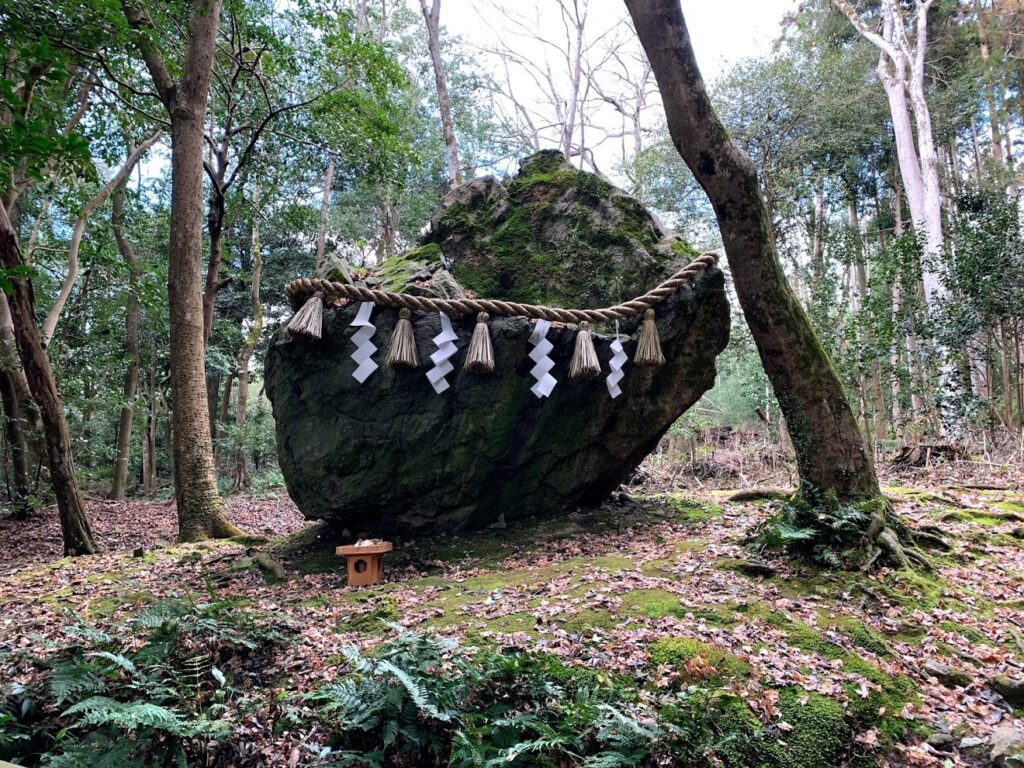
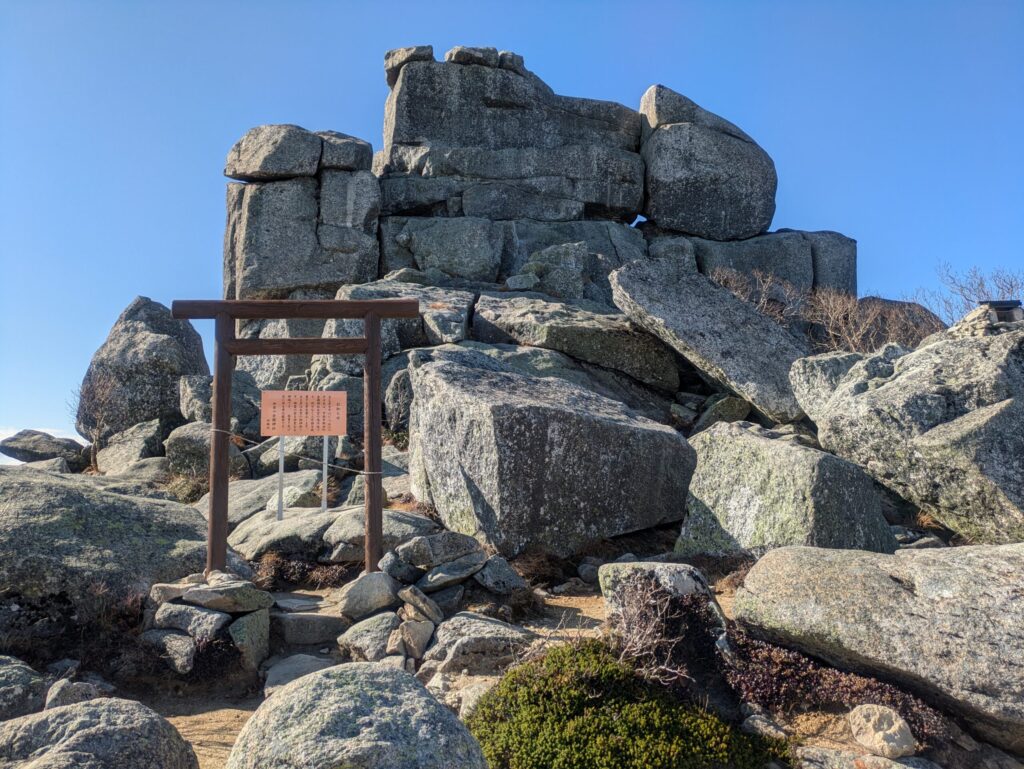
The moments when I feel those fragments most strongly while hiking are when I encounter iwakura, a form of worship that predates the “box” of the shrine building itself.
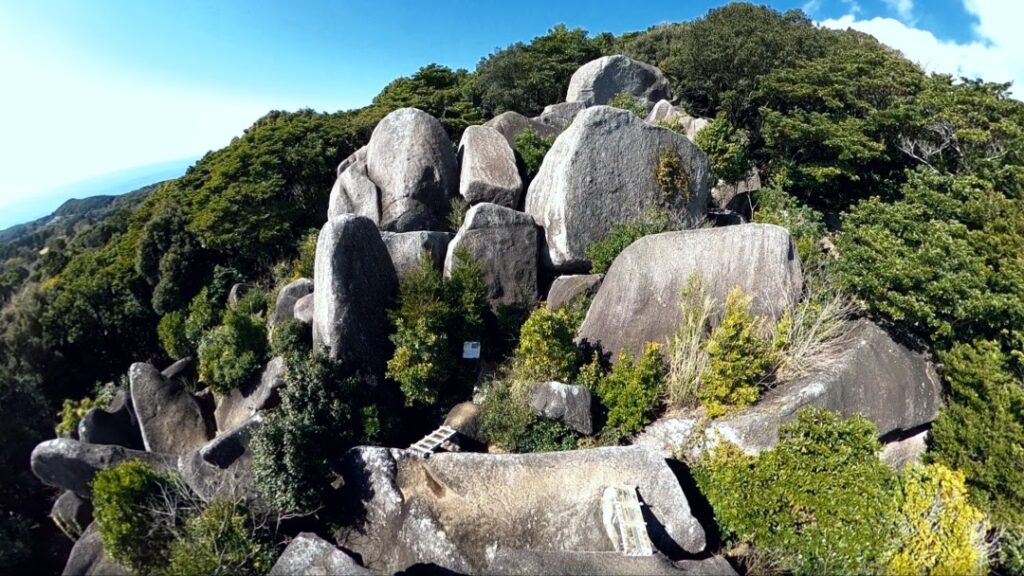
A massive boulder that suddenly appears on a mountain slope, or a cluster of stones arranged in an uncanny pattern. These are not merely natural formations. They may have been “antennas” through which people long ago sensed the Earth’s spiritual energy, what some would call ryūki, and entered into dialogue with it.
Ironically, it may be precisely in places like these, the sacred mountain behind a major shrine, or a quiet “original sanctuary” (motomiya) tucked away behind the main hall, where the true power that escaped sealing often remains most vivid. Even when covered over by a “lid” called new faith, the land’s own spirituality still overflows. And it is that, I feel, that lies at the source of what we call ancient Shinto.
“Signs” for Breaking the Seal
In recent years, I’ve had opportunities to encounter certain guiding words, and “revelations” delivered across time. What they speak of is this: the “false history” we have been made to believe for so long is reaching its end, and the time is coming when the Earth’s true spirituality will awaken again.
Ancient sacred sites scattered across Japan, old shrines that seem almost forgotten. Could it be that “keys” to awakening sealed memory are hidden there?
Why is that rock here, in this place?
Why does this shrine face a particular direction so unnaturally?
Why do the names of “older gods”, absent from official histories, still survive in local tradition?
When you carefully follow each of these small points of discomfort, one by one, a different connection begins to appear: a more vast, more free relationship with the Earth as a living being, before it was filtered through the lens of the Yamato Court.
Memory Sleeps in the Earth
The “answers” we are searching for are not found in texts published by any religious organization. They are etched into the ground beneath our feet, and dissolved into the wind that moves through the mountains.
Journey Beyond Peaks: to go beyond the mountains is not only to go beyond what the eyes can see. It is also to move beyond the many layers of history humanity has built, and to reach for the essence of this planet itself.
A journey of gathering the fragments of a sealed history. In the end, it is the same journey: a journey of reclaiming the spirituality we have lost within ourselves.
Revering the Earth as God
Up to this point, I’ve spoken about the presence of human spirits behind the shrine system, and about the way animism may have been sealed away through the rise of the Yamato Court. After moving through this line of inquiry, the conclusion I arrived at is simple, and profoundly freeing.
It is this: for me, religious institutions and grand shrines or temples are not necessarily required.
A God Who Doesn’t Live Inside a “Box”
When I spent weeks walking through the wilderness of the Sierra Nevada and the Rocky Mountains in the United States, I reached a certainty. There were no shrine buildings there, no torii gates, no priests chanting norito prayers. And yet the landscape was unmistakably filled with something sacred.
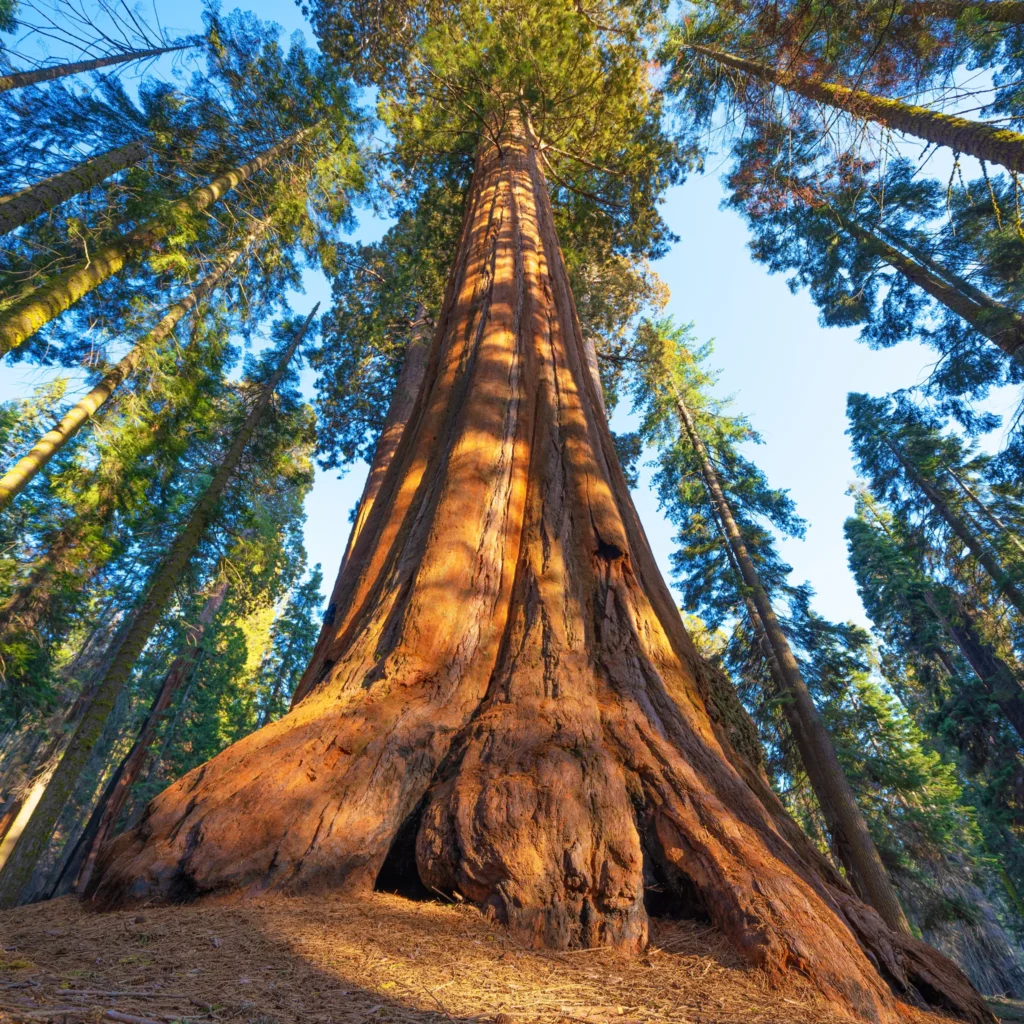
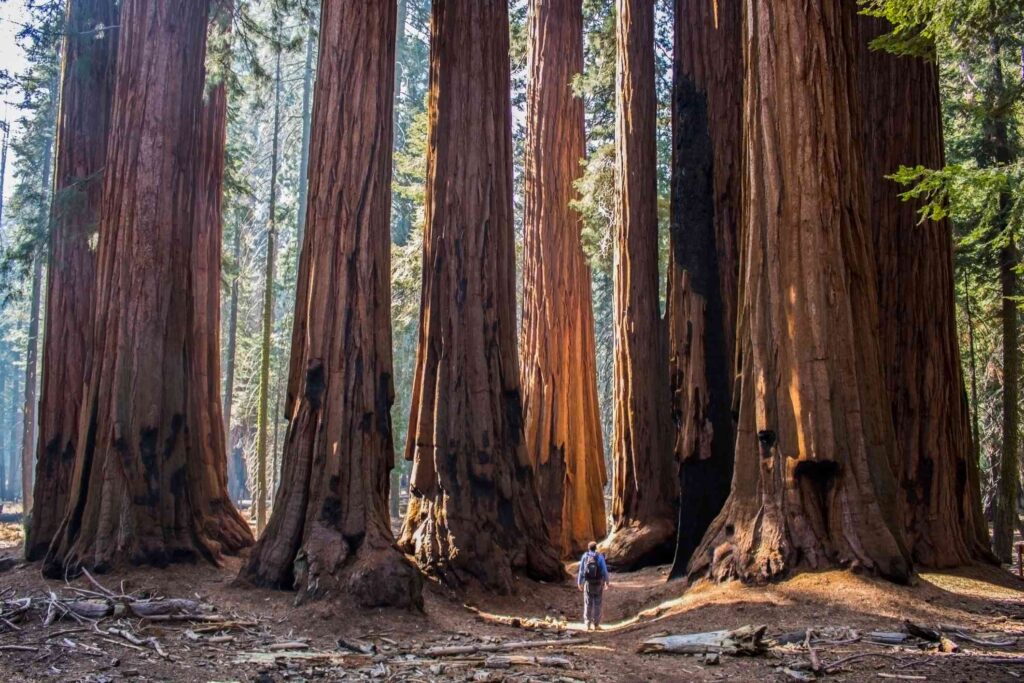
Behind that certainty is an experience from my years in America that I can’t forget. It happened while I was walking through the Giant Forest of Sequoia National Park, nestled deep in California’s Sierra Nevada.
The moment I stood before the Sherman Tree (General Sherman), I lost words. The overwhelming mass of it, towering as if it could pierce the sky, carrying the weight of thousands of years. There was no torii, no ornate hall, no offering box.
And yet around that giant tree was a dense, and astonishingly pure spiritual presence, unlike anything I had ever felt even at Japan’s most famous shrines.
It had nothing to do with the “heavy thought-forms” that can arise when a specific individual’s spirit is enshrined. It was simply the life energy of the Earth itself. The forest of giant trees was a vast antenna linking sky and ground, a “true sanctuary” untouched by human hands.
“Why would we need a shrine building, a box, in order to worship the divine?”
The answer to that question was there, inside the Sherman Tree’s quiet silence. Life rising directly from the ground is divine, and we are part of it. When I touched that simple truth, my sense of faith was released completely from the frameworks of institutions and forms.
The essence of what we call “god” is not something small enough to be confined inside a particular building. It is the very ground we are standing on, the spirituality radiating from the Earth as a vast living being. I believe Native American peoples understood this deeply.
When Shinto once spoke of the yaoyorozu no kami, the “eight million gods,” its true meaning must have been that the spirit of the Earth dwells behind all things. The spirit of the land appears at times as mountains, at times as water, at times as wind. If we return to that primordial sensibility, we realize we don’t need to visit a special “box” in order to pray at all.
What It Means to Bow to the Earth
My view of life and death, and the way I see the world, became far more solid as I encountered words such as the Hifumi Shinji written down by Okamoto Tenmei, and the modern revelations known as Ōhhitsuku Shinji.
What they emphasize is the importance of first dismantling, or “rebuilding,” existing religious systems and human-centered values, and then restoring what truly matters: a return to the laws of the Earth and the cosmos. It is not about worshipping visible authority. It is about connecting directly to the Earth itself, the mother-body that keeps us alive.
For me, the act of “worship” is not performing two bows and two claps in front of a shrine hall. It is walking, step by step, pressing my feet into the ground with gratitude. It is receiving the wind on a summit, and listening closely to the Earth’s heartbeat.
Journey Beyond Peaks: The Truth Beyond the Mountains
In the blog title, Journey Beyond Peaks, I’ve placed a wish that goes beyond climbing visible summits. I want to break through the “peaks of thought” that humans build, doctrines and fixed ideas, and step into what lies beyond them.
If, in your everyday life, you feel lost, or you find the prevailing values around you suffocating, I hope you’ll visit a nearby mountain or an unnamed forest. And quietly, touch the earth.
There, you may find something that no one manages or controls, a “true god” that accepts you without conditions, and has remained unchanged since ancient times.
We are born from the land, kept alive by the land, and in time, we return to the land. When we awaken to that simple connection, a real freedom opens before us, the kind no religion ever taught.
Postscript: Welcoming the New Year
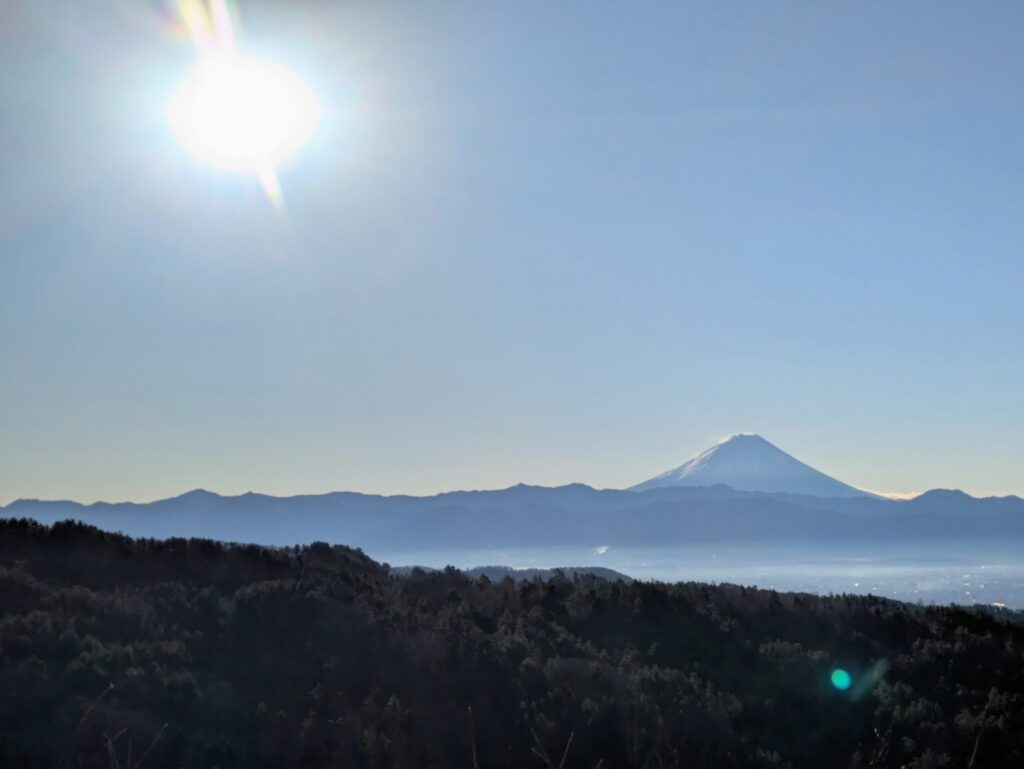
Now that I’ve finished writing this article, I find myself once again looking out the window at the mountains spread beyond it, the Southern Alps and Yatsugatake.
I have a feeling that 2026 may become a major turning point, a year when the values we’ve long taken for granted are rewritten into something more essential.
Not “happiness defined by someone else,” and not “faith that is only a form.” Instead: placing our own feet on the ground, and using our own eyes to discern what is true. I hope this will be a year in which we can take that step together.
Thank you, as always, for your continued support this year.
New Year’s Day, 2026

コメント